
ZIL Price Forecast: Future Trends for Zilliqa in Pakistan
📈 Explore Zilliqa (ZIL) price predictions, key market trends, and expert insights to guide your investment decisions in Pakistan's crypto scene.
Edited By
James Bennett
The Pakistani rupee’s exchange rate against the US dollar has been on a rollercoaster ride recently, shaped by both domestic economic pressures and global shifts. For traders, brokers, and investors, understanding these trends is not just useful—it’s necessary for making informed decisions.
Pakistan’s currency fluctuations often respond swiftly to State Bank of Pakistan (SBP) policies, including adjustments in interest rates and foreign reserve management. For instance, when SBP raises the policy rate, it tends to strengthen the rupee by attracting foreign capital, though this can slow down domestic borrowing.
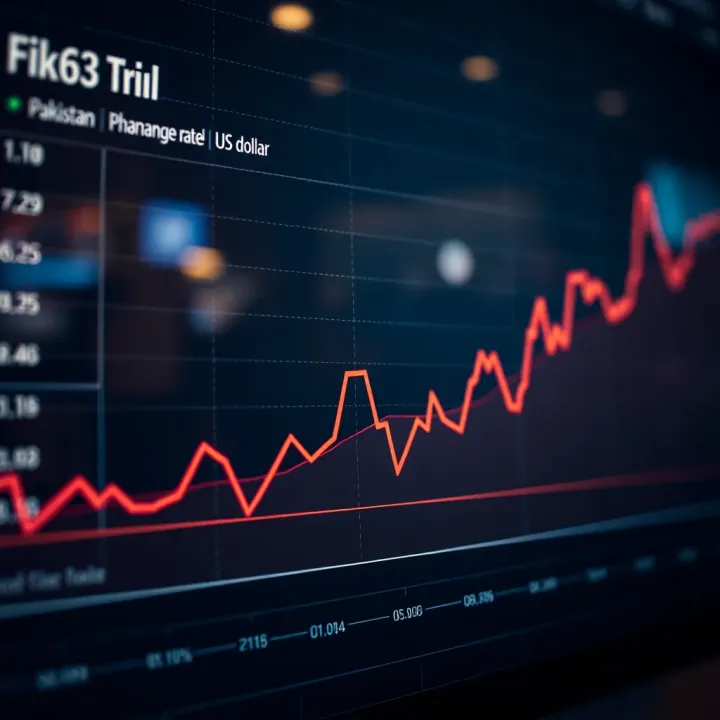
Outside domestic borders, global market movements, such as changes in US interest rates or commodity price swings, also directly impact the PKR/USD rate. Geopolitical tensions or shifts in trade relations—like developments in China-Pakistan Economic Corridor (CPEC) projects—further complicate this picture.
Currency movements are rarely driven by a single factor; a combination of local policy, global economic conditions, and investor sentiment shape the outlook.
Key influences on the rupee include:
Pakistan’s trade balance and export performance
Foreign Direct Investment (FDI) inflows
Remittance flows from overseas Pakistanis
Inflationary pressures and fiscal deficits
Understanding these variables helps businesses anticipate costs, especially importers and exporters who face direct exchange rate exposure.
Expert forecasts indicate the rupee may continue to see volatility in the near term. Traders should watch for SBP announcements, global economic indicators, and foreign exchange reserves data closely. Sound risk management, including hedging strategies, helps mitigate the impact of sudden swings.
In short, keeping a close eye on both economic fundamentals and external events equips market players and analysts to navigate the changing exchange rate terrain effectively.
Tracking recent trends in the dollar to Pakistani rupee exchange rate helps traders, investors, and analysts make informed decisions. Understanding past and present movements guides forecasting and risk management, ensuring strategies align with both economic realities and market sentiment.
Over the last five years, the rupee has seen notable swings against the dollar. For instance, from 2018 to 2020, the currency depreciated sharply, moving from around Rs 120 to Rs 168 per dollar. This drop reflected persistent trade deficits and rising external debt. However, during 2021, the rupee somewhat stabilised near Rs 160, showing signs of recovery as exports gained traction and foreign investments arrived.
These shifts affect pricing for importers and exporters alike. For example, a sudden dip in the rupee increases the cost of imported machinery, impacting manufacturing costs directly. Traders must consider these historical fluctuations to anticipate similar patterns, especially during economic stress or policy changes.
Events like the COVID-19 pandemic triggered significant volatility. In early 2020, global uncertainty pushed the dollar higher globally, and Pakistan was no exception, with the rupee dropping swiftly. The State Bank of Pakistan's interventions to stabilise the currency helped prevent further slide but at a cost of dwindling foreign exchange reserves.
Another major economic event was the IMF programme reached in 2019, conditioning financial reforms and currency adjustments. The rupee devalued intentionally to improve export competitiveness, leading to market adjustments. Understanding how such policies reshape exchange rates helps investors read policy-driven market moves.
In 2023-24, the rupee has shown periods of both stability and volatility. External factors like rising US interest rates and Pakistan’s increasing current account deficit keep the exchange rate sensitive. Political uncertainty ahead of general elections often sparks speculation, leading to short-term rupee weakness.
For example, when oil prices surged in early 2024, import costs rose sharply, pressuring the rupee further. Traders recognise that these developments often cause quick adjustment in dollar demand, influencing rates almost immediately.
Compared to neighbours such as India and Bangladesh, the Pakistani rupee has generally depreciated more steeply against the dollar. While the Indian rupee stayed close to 83–84 per dollar range, the Pakistani rupee crossed Rs 280. This reflects Pakistan’s specific macroeconomic challenges, including higher inflation and lower foreign reserves.
Investors take note that regional currency trends provide a benchmark to assess rupee’s relative strength or weakness. Differences highlight market confidence levels and the effectiveness of monetary policies across borders.
Keeping a close eye on recent and historic exchange rate trends helps stakeholders adjust risk, forecast more accurately, and navigate Pakistan's complex financial landscape.
Understanding the economic factors behind the dollar to Pakistani rupee exchange rate is key for traders, investors, and analysts. These factors reflect the country’s financial health and policy decisions, which impact currency demand and supply on both short- and long-term scales. For example, inflation, trade dynamics, and fiscal policies directly shape how the rupee moves against the dollar.
The State Bank of Pakistan (SBP) uses interest rate changes as a primary tool to control inflation and guide economic activity. When SBP raises the policy rate, borrowing costs increase, which tends to reduce spending and cool down inflation. This move usually strengthens the rupee since higher interest rates attract foreign portfolio investment, creating demand for Pakistan’s currency. For instance, the SBP’s hikes during periods of high inflation in 2022 helped slow down the rupee’s sharp decline.
On the other hand, lowering interest rates can weaken the rupee because it lowers returns on Pakistani assets compared to others, causing capital outflow. Traders watch SBP’s policy meetings closely, as the balance between supporting growth and managing inflation influences their dollar-rupee expectations.
SBP targets inflation to maintain price stability, which indirectly supports the rupee's value. Persistent inflation above target erodes purchasing power and undermines confidence in the currency, pushing investors to seek safer assets like the US dollar. This only adds pressure on the rupee exchange rate.
Conversely, if inflation falls within the target range, trust in the rupee usually improves, reducing volatility. For example, periods when inflation was contained around 7-8% generally showed less erratic rupee fluctuations compared to spikes over 15% during tough economic spells.
Pakistan’s trade balance heavily influences dollar demand. When imports exceed exports, more dollars leave the country to pay for foreign goods, leading to a supply-demand imbalance that weakens the rupee. For instance, Pakistan imported machinery, oil, and electronics worth billions of dollars yearly, increasing dollar demand.
On the contrary, higher exports boost foreign currency inflows, easing pressure on the rupee. Fresh trends like increased textile exports or remittances from overseas Pakistanis can temporarily improve the trade deficit, which traders consider when forecasting exchange rates.
Foreign exchange reserves act as a buffer to stabilise the rupee during market shocks. Higher reserves enable SBP to intervene by selling dollars and preventing sharp rupee depreciation. Pakistan’s reserves often fluctuate due to IMF programmes, bilateral loans, or dollar inflow from exports and remittances.
A declining reserve trend raises concerns among investors about Pakistan’s ability to meet external obligations, which typically weakens the rupee. Conversely, steady or increasing reserves reassure markets, supporting currency stability and influencing a more positive dollar-rupee forecast.
Keeping an eye on inflation control, SBP’s interest decisions, trade balance figures, and reserve trends offers essential clues to understand dollar-rupee movements and make informed investment choices.
Global and regional dynamics have a direct impact on the Pakistani rupee's exchange rate against the US dollar. Understanding these influences is essential for traders and investors to grasp the underlying factors driving currency movements beyond domestic policies. These external factors often react faster than local economic changes and can significantly affect market sentiment.
The strength of the US dollar largely hinges on key economic indicators from the United States such as GDP growth, unemployment rates, and inflation figures. For example, a strong GDP report or low unemployment tends to signal a robust US economy, pushing the dollar higher. Pakistani importers and exporters monitor these indicators closely since a stronger dollar translates to higher costs for imports priced in dollars and influences remittance flows.
Foreign exchange traders in Pakistan often react swiftly when US data surprise expectations, causing sudden rupee volatility. For instance, if US inflation rises sharply, it usually signals potential rate hikes, benefiting the dollar but pressuring the rupee.
The Federal Reserve's monetary policies, especially interest rate decisions, have a notable effect on the dollar’s global value. When the Fed increases rates to curb inflation, it tends to strengthen the dollar by attracting foreign capital seeking higher returns. This often leads to depreciation pressure on emerging market currencies like the Pakistani rupee.
For Pakistan, this means that tightening cycles in the US force the State Bank of Pakistan (SBP) to consider similar moves to defend the rupee, else risk higher inflation due to expensive imports. Conversely, if the Fed signals easing, the rupee might find some relief as dollar demand softens.
Political instability or conflict in Pakistan’s neighbourhood — such as tensions along the Afghanistan border or India-Pakistan disputes — tends to unsettle currency markets. Investors react by pulling capital out from perceived risk zones, weakening the rupee.
For example, escalations in Kashmir or border skirmishes have historically triggered rupee depreciation due to risk-averse behaviour from traders and foreign investors. Such events increase demand for safe-haven currencies like the US dollar, pushing it higher against the rupee.
Pakistan’s trade relations with neighbours like China and the Gulf countries also affect the rupee-dollar exchange. Strong export ties with China under the China-Pakistan Economic Corridor (CPEC) help improve foreign currency inflows, supporting rupee stability.
Meanwhile, disruptions in trade routes or sanctions affecting regional partners can reduce foreign exchange availability, tilting pressure on the rupee. For example, oil price hikes in the Gulf directly raise import bills in dollars, impacting Pakistan’s trade deficit and rupee stability. Keeping watch on regional trade developments is thus crucial for currency market participants.
Global and regional factors often act as the first signals for currency shifts before domestic policies adjust. For traders and investors, understanding these outside influences helps in navigating the rupee-dollar market more effectively.
Understanding expert predictions and market expectations for the US dollar against the Pakistani rupee helps traders, investors, and policy makers anticipate currency movements and make informed decisions. These forecasts offer vital insights into likely trends, potential risks, and the factors shaping the exchange rate in Pakistan’s unique economic environment.
Short-term and medium-term exchange rate projections focus on how the USD/PKR rate might behave over the next few months to a year or more. Analysts from banks, brokerage houses, and economic consultancies provide these projections based on recent data, government policies, and global developments. For instance, after recent tightenings in monetary policy by the State Bank of Pakistan (SBP), several analysts expect gradual stabilisation of the rupee in the short term. However, periodic external shocks like oil price spikes continue to impact these projections.
These short- and medium-term forecasts help businesses plan import payments, exporters manage costs, and investors decide on currency-related positions. For example, a textile exporter might delay invoicing in USD if forecasts predict rupee depreciation, aiming to benefit from better exchange rates.
Key assumptions behind such forecasts often include stable SBP interest rates, predictable inflation trends, and no sudden political or geopolitical interruptions. Analysts assume that Pakistan’s foreign exchange reserves remain adequate to meet import demands, and global indicators like the US Federal Reserve’s policies remain as projected. Changes in Pakistan’s trade balance or unexpected shifts in remittances are also factored in. If any of these assumptions fail, the forecasts might quickly lose accuracy.
Understanding these assumptions enables stakeholders to judge how much weight to put on the projections. For instance, if a forecast assumes no fresh loan from the IMF but political wrangling delays this, the exchange rate might weaken beyond expectations, affecting investment decisions.
Potential economic shocks remain a significant wildcard in dollar forecasts. Sudden rises in global oil prices, a collapse in exports, or unforeseen floods impacting agriculture can strain Pakistan's current account and cause rupee depreciation. Such shocks disrupt plans based on forecasts, requiring swift strategic adjustments from businesses and investors.
Unpredictable policy changes also complicate forecasting. Sudden alterations in import tariffs, abrupt tax measures by the Federal Board of Revenue, or unanticipated SBP interventions to stabilise the market can quickly overturn earlier expectations. For example, an unexpected cut or hike in the SBP policy rate affects capital flows, impacting the rupee’s value.
Staying updated with these risks and maintaining flexibility helps market participants respond effectively to volatility, protecting their interests amid uncertain conditions.
In essence, expert forecasts provide valuable guidance but warrant cautious interpretation due to the multiple factors that can disrupt the expected path of the USD/PKR exchange rate.
Fluctuations in the US dollar against the Pakistani rupee directly affect many areas of Pakistan’s economy. Since Pakistan relies heavily on imports, any change in the dollar rate can quickly ripple through commodity prices, inflation, and business costs. Consumers often feel the squeeze as imported goods become more expensive, while businesses face unpredictability in pricing their raw materials and planning investments.
Effects on commodity prices and everyday goods: A stronger dollar means Pakistan has to spend more rupees on imports. This puts pressure on prices of essential commodities such as food items, electronics, and medicines. For example, when the dollar jumped in late 2023, the cost of imported wheat and pharmaceutical raw materials rose, pushing up retail prices. Inflation tends to accelerate as these increased costs get passed on to consumers, reducing their purchasing power.
Influence on petrol and energy prices: Pakistan imports a significant portion of its fuel, priced in dollars. As the dollar strengthens, the government's import bill for petrol, diesel, and LNG rises, fuelling higher petrol prices at the pump. This not only hits motorists but also raises costs for public transport, agriculture, and manufacturing sectors. In early 2024, petrol prices saw multiple hikes aligned with dollar appreciation, contributing notably to inflation.
Challenges in pricing imported raw materials: Many industries depend on imported inputs priced in dollars—textiles sourcing yarn, manufacturers importing machinery parts, and the automotive sector ordering components. Sudden rupee depreciation complicates cost forecasting and pricing strategies. Businesses may delay purchases or raise prices, potentially losing competitiveness locally and internationally.
Investor confidence and market stability: Exchange rate volatility often spooks investors, both domestic and foreign. Frequent sharp swings in the dollar-rupee rate raise concerns about economic stability and policy consistency. This can reduce foreign direct investment and portfolio inflows, affecting the Pakistan Stock Exchange and broader financial markets. For instance, during periods of high currency volatility in 2023, stock market performance showed visible dips.
Hedging options used by corporations: To protect themselves against sudden rupee drops, many Pakistani companies use hedging instruments like forward contracts and currency swaps offered by local banks. These allow companies to lock in exchange rates for future transactions, reducing uncertainty. For exporters, this can secure earnings, while importers can manage costs more effectively.
Government interventions to stabilise the rupee: The State Bank of Pakistan (SBP) regularly steps in to smooth out extreme volatility. This includes using foreign exchange reserves to support the rupee during sharp falls or adjusting monetary policy to influence currency trends. Additionally, regulatory steps like limiting speculative trading or coordinating with fiscal authorities can help maintain confidence in the currency.
Understanding these implications helps traders, investors, and policymakers anticipate how dollar movements affect Pakistan’s economy and daily life, enabling smarter decisions in a complex market.
📈 Explore Zilliqa (ZIL) price predictions, key market trends, and expert insights to guide your investment decisions in Pakistan's crypto scene.
📈 Explore Apt Coin price trends, key factors, & expert insights to make smart investment decisions in Pakistan's crypto market today! 💡
📉 Explore the USD/JPY forecast with insights on economic data, geopolitical events, and market trends affecting traders in Pakistan for smarter decisions.

🔍 Explore UMA Coin price trends with in-depth analysis, market factors, and future outlook tailored for investors in Pakistan. Stay ahead in crypto trading!
Based on 11 reviews