
GBP/USD Forecast Today: Market Trends & Outlook
📈 Today's GBP/USD forecast highlights market trends, economic indicators, and how geopolitical events plus monetary policy affect this pair in Pakistan's trading scene.
Edited By
Isabella Hughes
Gold remains a unique commodity, often seen as a safe haven amid economic uncertainty. Traders and investors in Pakistan and beyond watch closely for shifts in its price, which moves in response to various global and local factors. Understanding these drivers is key to anticipating gold’s next move.
Gold prices have shown notable volatility recently. For instance, the rise in US Treasury yields has put some pressure on gold, as higher interest rates often draw investment towards fixed-income assets. However, geopolitical tensions, such as unrest in the Middle East, tend to support gold bids as investors seek security.
Economic Indicators: Inflation rates, currency fluctuations, and interest rates directly impact gold demand. A rising US dollar usually weighs on gold prices globally, including in Pakistan where the rupee's movement affects local pricing.
Geopolitical Events: Conflicts, trade disputes, and sanctions tend to push gold prices up, as uncertainty drives demand for stable assets.
Demand from Pakistan and Asia: Jewellery demand and investment behaviours in Pakistan, India, and China significantly shape gold’s global outlook.
Understanding these indicators helps investors and traders prepare for potential price swings rather than reacting late.
For Pakistani investors, monitoring the State Bank of Pakistan’s monetary policy and rupee trends alongside global signals can guide decisions. Strategic purchases during dips or in response to seasonal demand spikes, like around Eid or wedding seasons, have worked well historically.
Professional analysts often recommend watching the US Federal Reserve’s moves, global stock market trends, and regional security developments together, rather than in isolation.
In summary, assessing gold’s next move means tracking a matrix of economic data, geopolitical moments, and local market behaviours. This broad view offers a sharper lens on gold’s price trajectory, aiding timely and informed investment choices.
Understanding current trends in the gold market is vital for investors and traders aiming to make informed decisions. These trends reflect how price movements, supply-demand dynamics, and market behaviour interact with broader economic forces, ultimately shaping gold’s value both globally and within Pakistan.
Internationally, gold prices have experienced notable volatility over recent months, with fluctuations linked to changing inflation expectations, interest rates, and geopolitical tensions. For example, when the US Federal Reserve hints at tightening monetary policy, gold prices often dip as investors shift towards interest-bearing assets. Conversely, global uncertainties, like conflicts or trade disputes, tend to boost demand for gold as a safe haven, pushing prices upward.
Locally, Pakistan’s gold market reflects these global changes but also reacts to domestic variables such as rupee depreciation and import duties. The rupee’s weakness against the US dollar generally raises the cost of imported gold, prompting higher local prices. Recent fluctuations in exchange rates, combined with increased demand during wedding seasons and festivals, have contributed to price swings in Pakistani gold markets.
Global supply and demand influence gold prices considerably. Mining output, recycling rates, and central bank purchases or sales have direct impacts. For instance, a slowdown in South African or Australian mine production can tighten supply, while large purchases by central banks in emerging economies, including China and Russia, lift demand. These forces, combined with speculative trading, shape both short- and long-term price directions.
When compared with silver and platinum, gold usually maintains a higher value and liquidity, though trends vary. Silver prices often move in tandem but tend to be more volatile due to industrial usage. Platinum’s price behaviour is influenced by automotive industry demand and supply constraints from South Africa. Recent months have seen silver sometimes outperforming gold during periods of economic optimism, while gold remains preferred in times of crisis.
Investor preferences within metals are shifting due to changing market conditions. Some traders diversify by including silver and platinum, while others focus solely on gold to hedge against inflation or currency risks. In Pakistan, gold still dominates due to cultural affinity and ease of liquidity. However, growing awareness of metal ETFs and alternative investments abroad reflects an evolving interest among sophisticated investors.
Monitoring these current trends helps anticipate gold’s movements, enabling more strategic investment and trading choices.
Recent international price swings respond closely to monetary policies.
Local factors like currency devaluation and demand cycles significantly affect Pakistan’s gold prices.
Supply disruptions and central bank activities are key global influencers.
Silver and platinum trends offer additional but distinct investment opportunities.
Investor preferences signal gradual market diversification, albeit gold remains king locally.
By tracking these elements, traders and investors gain a clearer picture of gold’s market pulse and potential future direction in Pakistan and beyond.
Economic factors play a significant role in determining gold prices, influencing both short-term fluctuations and long-term trends. For investors, traders, and analysts in Pakistan, staying alert to these economic signals is essential for making informed decisions. This section highlights how inflation, currency movements, and monetary policies shape gold demand and pricing.
Rising inflation usually boosts gold demand as the metal acts as a hedge against currency devaluation. When living costs go up, people often turn to gold to preserve their savings' value, especially in countries like Pakistan where inflation tends to be volatile. For example, during periods when Pakistan’s annual inflation crosses 10%, sales of gold jewellery and bars often pick up noticeably in major cities like Karachi and Lahore as a store of value.
The exchange rate between the Pakistani rupee and the US dollar also impacts gold prices locally. Since international gold is priced in dollars, a weakening rupee makes gold more expensive for Pakistani buyers. This effect was evident when the rupee slipped from around Rs 160 to Rs 180 against the dollar over a few months, pushing local gold rates upwards despite stable international prices. Conversely, a stronger rupee can ease buying costs and soften demand temporarily.
The State Bank of Pakistan’s (SBP) policies affect gold indirectly through interest rates and liquidity in the market. If SBP raises policy rates to control inflation, interest-bearing investments become more attractive, drawing funds away from non-yielding assets like gold. For instance, during SBP’s rate hikes in 2022, many investors shifted from physical gold to fixed deposits and government papers, leading to a temporary dip in gold trading volumes.
On the global front, decisions by major central banks like the US Federal Reserve influence gold investment worldwide. Tighter monetary policy, reflected in higher US interest rates, tends to suppress gold prices as investors prefer dollar-denominated assets with returns. However, geopolitical tensions abroad or unexpected economic slowdowns can counterbalance this trend by driving safe-haven demand. Pakistan’s gold market broadly follows these global rhythms, adapting with some lag based on local currency strength and investor sentiment.
Understanding these economic factors helps Pakistani investors gauge when gold might become more attractive as an investment, guiding tactical entry or exit decisions in a fluctuating market.
Global political events and geopolitical tensions have a direct and measurable impact on gold prices, making them vital for investors and traders to understand. These factors not only affect supply and demand but also influence market sentiment, often driving gold's reputation as a safe asset during instability.
Tensions in the Middle East and South Asia frequently unsettle global markets, pushing gold prices upward. For example, flare-ups between key oil-producing nations tend to disrupt supply chains and raise concerns about economic stability, causing investors to seek refuge in gold. Similarly, ongoing friction along the Pakistan-India border creates uncertainty in regional markets, which often results in increased demand for gold within Pakistan itself.
Such regional conflicts tend to spike the price of gold as it acts like an insurance against instability. In 2019 and 2020, escalated conflicts in these regions coincided with noticeable surges in gold prices internationally as well as in the local Pakistani market. This link makes it essential for traders and investors to track geopolitical developments closely.
Gold's role as a safe haven becomes most visible amid global political uncertainty. When stock markets falter or currencies weaken due to political unrest or unstable governance, gold often attracts funds as a perceived stabiliser. Its intrinsic value and limited supply make it less vulnerable compared to fiat currencies under stress.
Pakistani investors traditionally turn to gold during periods of high inflation or political turmoil to protect their wealth. This behaviour is reflected globally, where central banks and sovereign funds increase gold reserves during crises. Recognising this pattern can help investors anticipate gold demand spikes triggered by sudden geopolitical shocks.
Economic sanctions imposed on countries can drastically affect gold supply chains. For instance, sanctions on major gold-producing nations, such as Russia or Iran, constrain their ability to export gold freely, reducing global supply. This tightens availability and pushes prices up, impacting countries reliant on imports, including Pakistan.
Sanctions also redirect trade flows. Countries under sanction may resort to alternative, sometimes informal, trade routes, complicating transparency in gold sourcing. This can inflate prices due to increased risk premiums and logistical hurdles. Traders should be cautious in verifying gold origin and consider geopolitical risk premiums when pricing gold.
Bilateral and multilateral trade agreements shape gold's movement across borders. Pakistan's trade ties with Middle Eastern countries, Turkey, and China influence the availability and cost of imported gold. For example, reduced tariffs or eased customs regulations under these agreements can lower import costs, benefiting local traders and consumers.
Conversely, trade restrictions or increased duties raise the cost of gold, sometimes pushing Pakistani buyers towards informal channels with higher risks. Monitoring changes in trade policies and negotiations helps investors and traders predict supply fluctuations and plan acquisitions or sales accordingly.
Understanding the geopolitical landscape and trade environment is key to navigating gold market volatility. Keeping a keen eye on regional conflicts, sanctions, and trade agreements provides actionable insights, enabling better timing and risk management for investors and traders alike.
Understanding investment perspectives and forecasts for gold is vital for anyone involved in trading, investing, or advising on this precious metal. Given gold’s historical role as a hedge against inflation and market turmoil, keeping an eye on price predictions helps investors decide when to buy or sell. In Pakistan, where economic uncertainties and currency fluctuations often influence asset choices, timely forecasts offer practical advantages for portfolio management.
Market analysts worldwide track a mix of economic data, geopolitical developments, and demand-supply dynamics to predict gold’s price movements. Recently, many experts foresee a cautious upward trend over the next six to twelve months, driven by persistent inflation pressures and ongoing geopolitical tensions. For example, disruptions in Middle East oil supply or fresh trade tensions generally push investors toward gold as a safe asset, supporting prices.
Factors likely to drive prices include the performance of major currencies like the US dollar, actions by central banks such as the State Bank of Pakistan and the US Federal Reserve, and inflation rates. If the Pakistani rupee weakens further against the dollar, it usually raises local gold prices, making physical gold an appealing option for Pakistani investors. Conversely, any unexpected monetary tightening or improved global economic stability might cool down gold demand temporarily.
Gold is often seen as a reliable store of value in Pakistani investment portfolios, especially during times of rupee depreciation or stock market volatility. It provides diversification beyond equities and fixed income. For instance, many middle-class investors in cities like Karachi and Lahore add gold jewellery or coins as a long-term savings component alongside property or mutual funds.
When buying or selling gold in Pakistan, investors should consider factors like local purity standards (typically 22-karat for jewellery), making charges, and market demand spikes during festivals such as Eid and weddings. Checking prices on trusted platforms or local bazaars regularly is wise. Moreover, physical gold purchases require attention to documentation for authenticity and future resale value. Traders should also watch global price signals to time their transactions effectively, balancing between local trends and international market movements.
Investors who combine informed forecasts with practical market knowledge often manage risks better and optimise gold’s role in their financial goals.
By understanding these investment perspectives and forecasts, Pakistani traders and investors can navigate gold's market with greater confidence and clearer insight into price trends and strategic decisions.
Technology has reshaped how gold is traded globally, and Pakistan is no exception. Innovations provide easier access, enhance transparency, and diversify investment options for gold traders and investors. Understanding these changes is crucial for making informed decisions in an evolving market.
Digital platforms for gold trading have gained momentum in Pakistan over the last few years. Websites and mobile apps now allow individuals to buy and sell gold with a few clicks, offering greater convenience compared to traditional jewellery shops or bullion dealers. For example, platforms like Karatbars and some local fintech apps provide real-time price updates and secure transactions. This ease of access encourages small investors to join the market without needing large capital or physical storage.
Technology also bridges the gap between Pakistani investors and global gold markets. Online brokerage firms and financial apps enable users to invest in gold listed on international exchanges such as COMEX or London Bullion Market. This access allows investors to diversify their portfolios by participating in global price movements and reducing reliance on local market conditions. Such platforms often provide educational resources and risk management tools, which help Pakistani investors navigate complex international markets with greater confidence.
Exchange-Traded Funds (ETFs) and unit trusts focused on gold have grown in popularity in Pakistan’s financial markets. These products let investors buy shares backed by physical gold, trading on the Pakistan Stock Exchange or through asset management companies. ETFs offer liquidity, lower costs, and the convenience of trading like stocks, removing the need to physically hold gold. This has made gold investment more accessible, especially for younger and urban investors who prefer portfolio diversification without the hassles of jewellery authentication or storage.
Besides ETFs, newer products such as gold savings plans, digital gold certificates, and tokenised gold assets are emerging in Pakistan’s market. These allow investors to accumulate gold in small quantities over time or trade fractions of gold digitally. Products like these cater to changing consumer behaviour, especially among tech-savvy clients, by combining traditional investment security with modern ease. They also encourage steady demand by making gold ownership more affordable and flexible, which could influence gold prices positively in the long term.
Digital innovation is making gold trading more accessible and transparent, shifting how Pakistani investors approach this age-old asset.
Overall, technological and market innovations offer practical benefits in terms of access, security, and diversification. Traders and investors should keep pace with these changes to make the most of gold's evolving market dynamics.
📈 Today's GBP/USD forecast highlights market trends, economic indicators, and how geopolitical events plus monetary policy affect this pair in Pakistan's trading scene.
Stay updated with the latest XAU/USD gold price shifts📈, explore key global and local factors 🌏 affecting gold in Pakistan traders' market.
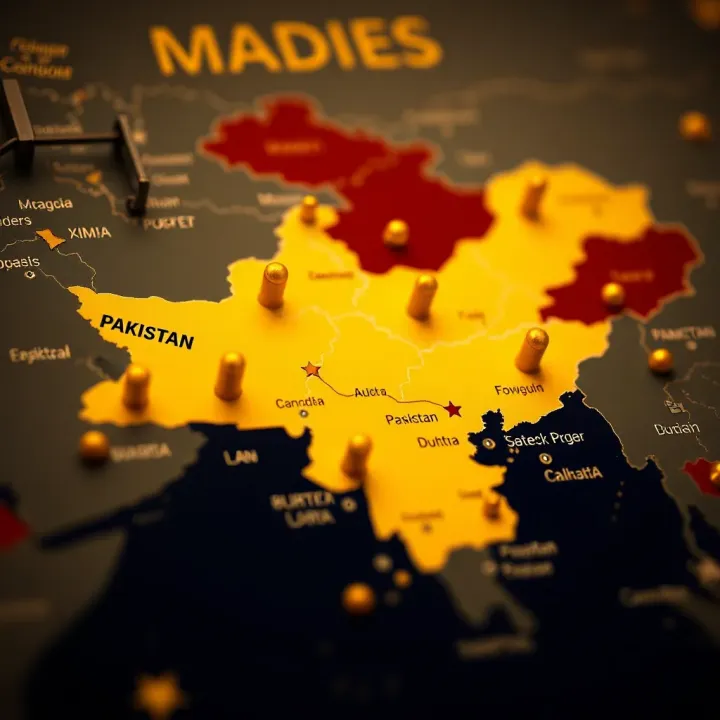
📊 Track today's gold price trends in Pakistan with insights on economic signs, geopolitical shifts, and local market factors to guide your investment decisions wisely.
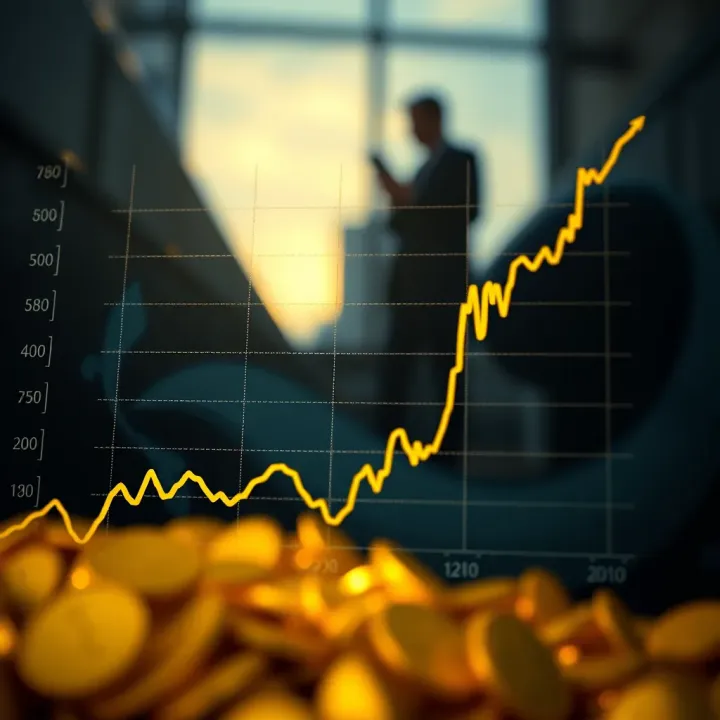
Discover gold price trends over five years 📈, exploring economic and geopolitical factors shaping investment choices and safety of this precious metal in Pakistan.
Based on 10 reviews