

Understanding Amazon's Share Price Trends
📈 Discover what shapes Amazon's share price, its historical patterns, and key factors Pakistani investors should watch before investing in this global giant.
Edited By
Edward Collins
The dollar to Pakistani rupee exchange rate is a key barometer for traders, investors, and analysts tracking Pakistan’s economic health. Its fluctuations affect import costs, inflation, foreign investment, and overall market confidence. Understanding the current trends and factors that influence the USD/PKR rate is essential for making informed decisions.
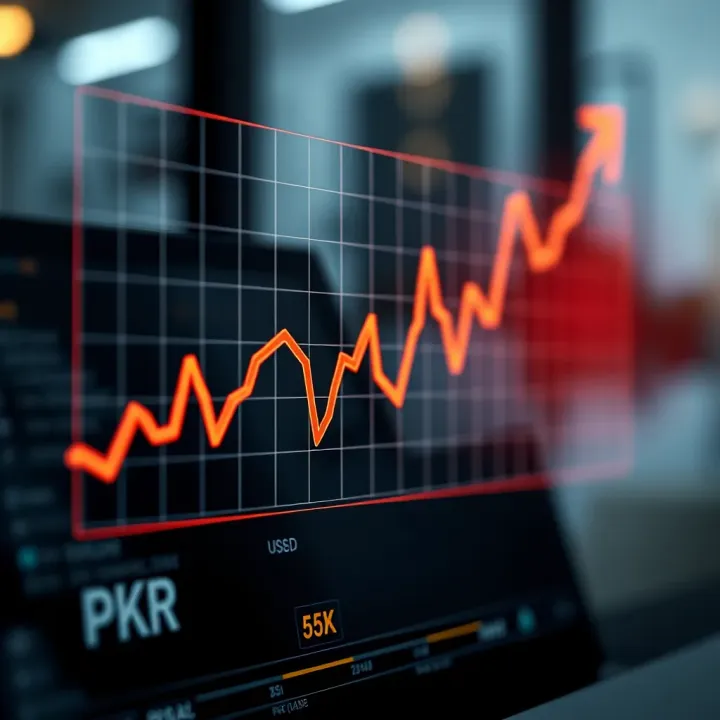
Over the past year, the rupee has generally weakened against the US dollar, moving from around Rs 165 to over Rs 290 per dollar in 2023. This steep decline reflects underlying pressures such as rising inflation, decreasing foreign reserves, and fiscal deficits. Although periodic recoveries occur, the overall trend points to a depreciating currency.
Inflation Rates: Pakistan’s inflation rate has hovered around 20% recently, eroding purchasing power and forcing the central bank to maintain tight monetary policies. High inflation typically leads to currency depreciation as the domestic currency loses value compared to stable foreign currencies.
Foreign Exchange Reserves: The State Bank of Pakistan’s foreign reserves dropped to approximately $4 billion in early 2024, limiting the government's ability to intervene in the currency market and support the rupee.
Trade Balance: Pakistan’s trade deficit continues to widen due to high import bills (especially for petroleum, machinery, and food commodities), exacerbating demand for foreign currency.
Government Policies: Measures like import restrictions and seeking International Monetary Fund (IMF) support influence market sentiments and exchange rate stability. Delays or uncertainty in policy implementation often cause volatility.
Political Stability: Political uncertainty can deter foreign investment and affect forex market confidence, indirectly impacting the dollar rate.
Exchange rate movements in Pakistan are tightly linked with economic fundamentals and policy actions. Traders and investors should closely monitor changes in inflation, reserve levels, and fiscal policies to anticipate currency trends.
For businesses importing goods, cost forecasting requires factoring in possible rupee depreciation. Investors dealing in PKR-denominated assets must consider exchange rate risks impacting returns. Education institutions and consumers planning overseas expenses should also keep an eye on these trends to manage budgets effectively.
In summary, the expected dollar rate in Pakistan depends largely on how inflation, reserves, trade deficits, and political factors evolve. Staying updated on these variables helps market participants and observers navigate currency fluctuations with greater confidence and foresight.
Understanding the current status of the dollar to rupee exchange rate is vital for traders, investors, and analysts tracking Pakistan's economic pulse. It offers a snapshot of currency strength, affecting import costs, export competitiveness, and inflation directly. For instance, in early 2024, fluctuations in the exchange rate caused notable shifts in the price of imported machinery and raw materials, impacting manufacturing costs and supply chains.
In the past few months, the dollar-rupee rate has shown a trend of gradual depreciation of the rupee against the dollar. After stabilising briefly around Rs 280, the rupee weakened to nearly Rs 290 by March 2024, mainly due to rising import bills and persistent trade deficits. This trend impacts businesses that rely heavily on imported goods, such as electronics and pharmaceuticals, often leading to increased prices in local markets.
The local forex market has experienced sharp swings day-to-day, largely driven by political uncertainty and announcements related to foreign loans or IMF programmes. Such volatility makes it difficult for importers and exporters to plan ahead, often forcing last-minute currency purchases at unfavourable rates. For example, a sudden dip in the rupee value can increase the cost of raw materials for textile exporters, affecting their profit margins unexpectedly.
Over the last ten years, the rupee has depreciated gradually against the dollar, slipping from around Rs 100 in 2013 to nearly Rs 290 in 2024. This shift reflects structural challenges such as persistent trade deficits, inflationary pressures, and reliance on foreign borrowing. Understanding this trend helps investors gauge the rupee's long-term trajectory and adjust investment or hedging strategies accordingly.
The rupee-dollar exchange has seen significant peaks and troughs; for example, the sudden spike in 2018 during a balance of payments crisis pushed the exchange rate beyond Rs 140 quickly, catching many businesses off guard. Conversely, periods of relative stability, like in 2017 when the rate hovered near Rs 105, offered a calmer trading environment. Recognising these fluctuations is critical for timing investments and managing currency risk effectively.
The current dollar-rupee exchange rate acts as a barometer for Pakistan's economic health; awareness of its short-term movements and longer-term shifts enables better decision-making in trading and investing.
Gradual rupee depreciation affects import costs and inflation
Volatility tied to political and economic announcements adds risk
Long-term trend shows consistent weakening over a decade
Sharp exchange rate moves can disrupt business planning
Being aware of these factors helps stakeholders prepare for potential shocks and seize opportunities in a shifting foreign exchange environment.
The dollar-rupee exchange rate in Pakistan is strongly influenced by several key economic factors. Understanding these elements helps traders, investors, and analysts anticipate currency movements and manage risk effectively. This section looks at inflation, foreign exchange reserves, and trade balance — each playing a distinct role in shaping the currency’s value.
Rising inflation generally leads to depreciation of the Pakistani rupee against the US dollar. When prices soar domestically, the rupee loses its purchasing power compared to foreign currencies. For example, if inflation hits 15% in Pakistan while it remains 3% in the US, imports priced in dollars become more expensive, pushing the rupee down in the exchange market.
Inflation trends in Pakistan have fluctuated notably in recent years, often driven by fuel price adjustments, food shortages, and currency devaluation. When inflation accelerates, the State Bank of Pakistan (SBP) may raise interest rates to curb it, yet persistent inflation pressurises the rupee’s strength. Traders watch inflation reports closely since sustained high inflation usually signals more rupee depreciation ahead.
The State Bank of Pakistan’s foreign exchange reserves act as a buffer to stabilise the rupee. Sufficient reserves enable the SBP to intervene in the market by selling dollars to meet demand or support the rupee. For instance, during periods of excessive dollar outflow, a healthy reserve position helps prevent sharp rupee declines.
However, recent months have seen fluctuations in these reserves due to debt repayments and import bills, which can intensify pressure on currency stability. A dip in reserves limits the SBP’s ability to defend the rupee, often resulting in more volatility. Traders and analysts monitor reserve levels as a key indicator of how much support the currency might have.
Pakistan’s trade deficit — the gap between imports and exports — directly affects dollar demand and rupee value. When imports remain far higher than exports, more dollars leave the country, increasing demand and pushing the exchange rate up. For example, heavy imports of machinery, fuel, and consumer goods often fuel this gap.
Remittances from overseas Pakistanis play a stabilising role against this pressure. Large inflows from workers abroad provide a steady dollar supply, cushioning the rupee from sharper falls. This inflow is crucial especially during times when exports falter or foreign investment slows. Remittances effectively balance demand and supply dynamics in the foreign exchange market.
Tracking inflation, reserves, and trade balance offers a practical way to gauge the near-term direction of the dollar-rupee rate. For market participants, understanding these economic factors aids in making informed currency-related decisions.
Government measures profoundly shape the Pakistani rupee’s exchange rate against the US dollar. Their influence is felt through monetary policy adjustments, fiscal decisions, debt management, and related conditional frameworks. For traders, investors, and analysts, understanding these government policies helps anticipate currency movements and market reactions.
The State Bank of Pakistan (SBP) actively uses interest rate changes to control inflation and influence the rupee's value. When inflation surges, the SBP tends to raise the policy rate, making borrowing costlier. Higher rates often attract foreign capital in search of better returns, supporting the rupee by increasing demand for it. Conversely, lowering interest rates can weaken the rupee but encourage domestic economic activity by reducing borrowing costs.
For example, during periods of high inflation in 2023, the SBP raised its policy rate several times, which provided temporary relief to the rupee by anchoring inflation expectations. However, any over-tightening risks slowing down growth, so the SBP balances currency stability with economic momentum.
Fiscal decisions similarly affect the exchange rate. When the government increases spending or borrows heavily, especially from domestic sources, it can crowd out private sector investment and increase inflationary pressures. Such scenarios often reduce investor confidence in the rupee, prompting depreciation.
On the other hand, well-planned public investments aimed at boosting exports or infrastructure may strengthen the economy and, over time, stabilise the currency. In Pakistan’s context, large budget deficits funded by borrowing have periodically increased pressure on the rupee, leading to higher dollar demand and depreciation.
Pakistan’s reliance on foreign loans to bridge balance of payment gaps influences exchange rate stability. External loans, particularly from multilateral agencies like the IMF, inject much-needed foreign currency reserves, easing immediate dollar shortages and supporting the rupee.
However, reliance on such loans can become a double-edged sword. Debt repayments and interest outflows create future pressure on foreign exchange reserves, especially if exports and remittances lag behind. This means the rupee might face volatility once large repayments come due, making timing and management of debt crucial.
IMF programmes come with conditions that often require Pakistan to adopt specific exchange rate policies, such as allowing a market-driven float or reducing foreign exchange market interventions. These measures aim to improve transparency and competitiveness but can lead to short-term volatility or sharp adjustments.
For instance, the recent IMF Structural Adjustment programme pushed Pakistan towards a more flexible exchange rate. While this helped correct misalignments, the adjustment period was marked by rupee depreciation and uncertainty. For investors, understanding such conditionalities helps anticipate policy shifts and their impact on currency behaviour.
Government policies, especially those involving interest rates, fiscal management, and external borrowing, remain key levers shaping the dollar-rupee exchange rate. Staying updated on these actions helps market participants manage risks and seize opportunities effectively.
Forecasting the dollar's exchange rate against the Pakistani rupee is key for anyone financially connected to Pakistan’s economy. Traders, investors, and businesses rely heavily on expert insights to prepare for fluctuations that can affect costs, profits, and overall financial planning. Understanding market sentiment and expert predictions helps manage risks, especially in a market as sensitive to political and economic shifts as Pakistan's.
Market analysts often project the dollar rate over the next few months by looking at current economic data and global trends. For example, they consider Pakistan’s inflation numbers, SBP’s interest rate moves, and foreign exchange reserves. If inflation rises faster than expected or political uncertainty heightens, analysts might predict a quicker depreciation of the rupee. Conversely, stable remittance inflows or improved export figures could support a stronger rupee or slower depreciation.
These short-term forecasts matter to importers and exporters who deal with contracts and payments within the next quarter. If the dollar is expected to rise, importers might settle dues early to avoid increased costs, while exporters could hold their rupees longer anticipating better exchange rates later.
Political events also play a major role in short-term forecasts. Upcoming elections, government reshuffles, or major policy announcements can unsettle the currency market. For instance, before the last general elections, the rupee showed volatility as investors hesitated, waiting to see if economic policies would shift. Such political noise often causes temporary spikes or dips, impacting the dollar-rupee rate swiftly.
Hence, keeping tabs on political calendars and related news is vital for anyone relying on accurate short-term currency predictions.
Looking beyond months, the dollar rate reflects deeper economic trends influenced by structural reforms. For example, initiatives to increase exports, rationalise subsidies, or broaden the tax base can strengthen the rupee over several years. Experts suggest that if Pakistan makes steady progress in these areas, the rupee could gain resilience against dollar pressures in the long run.
However, underlying challenges like fiscal deficits, reliance on foreign loans, and weak industrial growth may slow this strengthening. At the same time, opportunities such as expanded CPEC (China-Pakistan Economic Corridor) projects or rise in digital services exports could create new sources of dollar inflows, balancing these risks.
Understanding these long-term factors helps investors and policymakers focus on sustainable currency stability rather than reacting only to short bursts of volatility.
Expert forecasts are not guarantees but offer a roadmap for planning around currency risks. Whether you deal in stocks, imports, or budgeting, knowing what drives the dollar rate helps make informed decisions.
In summary, both short-term and long-term projections depend on a mix of economic indicators and political developments. Staying informed and adjusting strategies accordingly gives the best chance to handle Pakistan's fluctuating exchange rate landscape.
Fluctuations in the dollar-rupee exchange rate ripple across Pakistan's economy, affecting everything from trade to household spending. For traders, investors, and businesses, understanding these implications is essential to navigate the volatility and plan accordingly. Exchange rate instability often leads to increased costs for importers, squeezes profit margins, and fuels inflation, which poses challenges for consumers and policymakers alike.
When the Pakistani rupee weakens against the dollar, the cost of imports rises sharply. Since Pakistan imports key items like machinery, raw materials, petroleum products, and electronics, many businesses face higher input costs. For example, a textile manufacturer may pay significantly more for imported chemicals needed in fabric production. This increase can either be absorbed, reducing profit margins, or passed on to consumers as higher prices.
Import-dependent companies also grapple with unpredictable exchange rates, making budgeting and forecasting difficult. Sudden rupee depreciation adds pressure on working capital as suppliers demand payment in dollars or rates get revised frequently, which affects cash flow management.
Businesses use various tactics to reduce the impact of exchange rate fluctuations. One common approach is forward contracts, where companies lock in an exchange rate with banks ahead of time, ensuring cost predictability regardless of market swings. This helps manufacturers and importers plan purchases confidently without worrying about sudden rupee drops.
Another strategy involves diversifying suppliers and sourcing more from local manufacturers to lessen dependence on imports. Some firms also adjust pricing dynamically or maintain dollar reserves to cover dollar-denominated expenses. Staying agile with inventory management to avoid overstocking imported goods at high exchange rates also plays a crucial role.
A depreciating rupee increases the landed cost of imported items such as electronics, pharmaceuticals, and some food products. This directly feeds into inflation, as retailers pass on higher costs to consumers. For instance, a smartphone priced in dollars will become costlier in PKR, making it less affordable for the average buyer.
This effect is especially felt in urban centres where imported and foreign-brand goods are more common. Even essentials like medicines can see price hikes due to reliance on imported raw ingredients.
As prices rise, families find it tougher to manage monthly expenses. Inflation caused by exchange rate swings reduces purchasing power, forcing consumers to cut back on discretionary spending or switch to cheaper alternatives. For lower-middle-income households, this squeeze hits particularly hard, affecting nutrition, education, and health budgets.
Budgeting becomes less predictable as staple items fluctuate in price. Sudden increases in fuel prices, also linked to exchange rates, add to transportation costs, indirectly raising expenses across sectors. Households often delay or reduce non-essential purchases, slowing overall economic growth.
Exchange rate stability is not just a financial indicator — it directly shapes the everyday lives of millions, impacting business profitability and family wellbeing alike.
Understanding these implications helps stakeholders prepares for shifts in the market and makes informed decisions to minimise adverse effects on Pakistan’s economy.
📈 Discover what shapes Amazon's share price, its historical patterns, and key factors Pakistani investors should watch before investing in this global giant.
💹 Curious if the US dollar rate will rise next week? Explore Pakistan’s economic signals, policies, and global impacts shaping the PKR exchange trend ahead.
🌟 Discover key factors shaping tomorrow's gold rate in Pakistan 🇵🇰, learn market trends, and get practical tips for buyers and investors today!
📉 Explore the USD/JPY forecast with insights on economic data, geopolitical events, and market trends affecting traders in Pakistan for smarter decisions.
Based on 11 reviews