

Understanding Amazon's Share Price Trends
📈 Discover what shapes Amazon's share price, its historical patterns, and key factors Pakistani investors should watch before investing in this global giant.
Edited By
David Harrison
Natural gas pricing plays a significant role in Pakistan's energy landscape, affecting industries, households, and the overall economy. Understanding how natural gas prices are set and what influences their fluctuations is vital for traders, investors, analysts, and educators alike.
The price of natural gas in Pakistan depends on both domestic policies and global market dynamics. While Pakistan produces some of its gas locally, a considerable amount is imported via liquefied natural gas (LNG) to meet rising demand. This combination leads to a pricing structure influenced by both local supply and international energy markets.
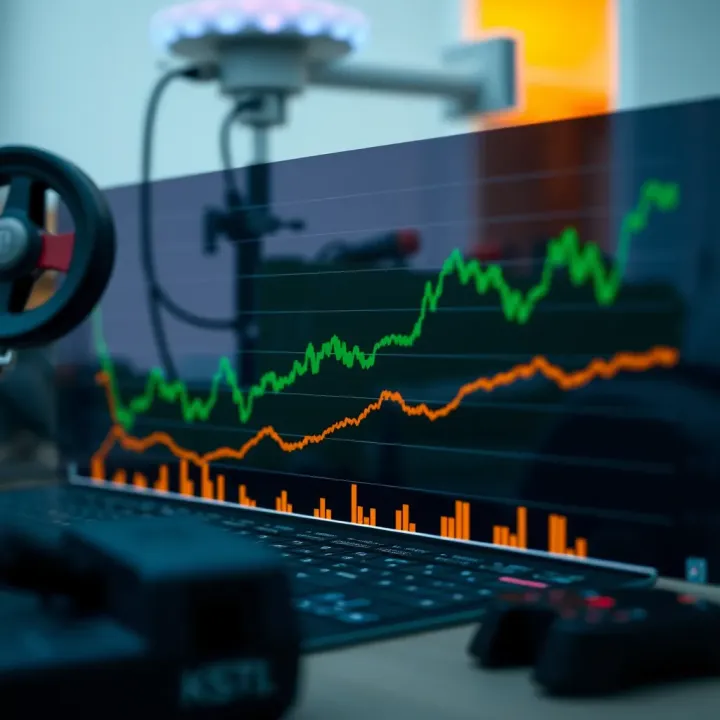
Several key factors impact natural gas prices in Pakistan:
Government policies: The Ministry of Energy and the Oil and Gas Regulatory Authority (OGRA) regulate pricing frameworks, subsidies, and tariffs. Decisions on gas allocation between power plants, industry, and domestic sectors influence market rates.
International market trends: Global LNG prices, driven by supply-demand balances in major importing countries and geopolitical events, often translate into fluctuations in Pakistan’s imported gas costs.
Currency exchange rates: Since LNG contracts are usually priced in US dollars, changes in the PKR-to-USD exchange rate affect the local price of imported natural gas.
Domestic demand and supply: Seasonal demand spikes, such as in winter for heating or during high industrial activity, can push prices upward, especially when domestic production falls short.
Understanding these aspects helps market participants anticipate price shifts and plan strategies accordingly, whether for investment or trading.
Recent trends indicate increased reliance on imported LNG, reflecting tighter domestic supply. This has exposed Pakistan’s gas prices to global market volatility and currency fluctuations. Furthermore, government decisions on subsidies and pricing policies continue to shape affordability and availability.
By grasping these factors, stakeholders—from traders dealing in energy commodities to educators explaining market mechanisms—can better navigate the complexities of Pakistan’s natural gas prices and their broader economic impact.
Understanding how natural gas prices are set is essential for anyone involved in Pakistan’s energy sector or financial markets. Prices reflect a mix of local supply conditions, import costs, consumption patterns, and regulatory decisions. Grasping these factors helps traders, analysts, and investors predict trends and make informed decisions.
Pakistan’s domestic gas prices primarily depend on the cost of extraction and transportation within the country. Given that most local gas fields are mature, production costs tend to rise over time. The government regulates these prices to balance fair returns for producers and affordability for consumers. For example, the Natural Gas Regulatory Authority often reviews pricing to ensure gas companies can cover operational costs without overburdening customers. This mechanism directly influences tariffs for industries and households relying on local supply.
Imported LNG plays a significant role in Pakistan’s gas supply, especially to meet shortages during peak demand. Prices of LNG imports are tied to international markets—which are volatile and influenced by global factors like crude oil prices and geopolitical events. For instance, when LNG prices surge in global markets, import bills rise, pushing up domestic prices. This surge ultimately impacts sectors dependent on gas, such as power generation and manufacturing, leading to higher costs passed to consumers.
Demand for natural gas in Pakistan varies seasonally. Winters see a sharp rise due to heating needs, while summers often have lower demand except for increased industrial use. This seasonal pattern causes price fluctuations. Traders watch these cycles closely; during peak demand, supply constraints can push prices higher. For example, in colder months, households and commercial consumers use more gas, straining the system and influencing spot prices and tariff adjustments.
Industries consume significant amounts of gas for manufacturing, LNG plants, and electricity generation. These sectors demand stable, often subsidised prices to remain competitive. On the other hand, domestic consumers pay tariffs structured differently, sometimes with government subsidies. Fluctuations in industrial demand—for instance, when factories reduce operations during economic slowdowns—can ease supply pressure and impact prices. Understanding these consumption trends helps investors anticipate shifts in gas pricing.
OGRA acts as the watchdog and policy enforcer for Pakistan’s oil and gas sector. It reviews proposals for price changes, licences gas companies, and ensures compliance with regulations. OGRA’s pricing recommendations influence how tariffs are adjusted, balancing sector profitability and consumer protection. Its transparent approval process also attracts foreign investment by providing some predictability in pricing policy.
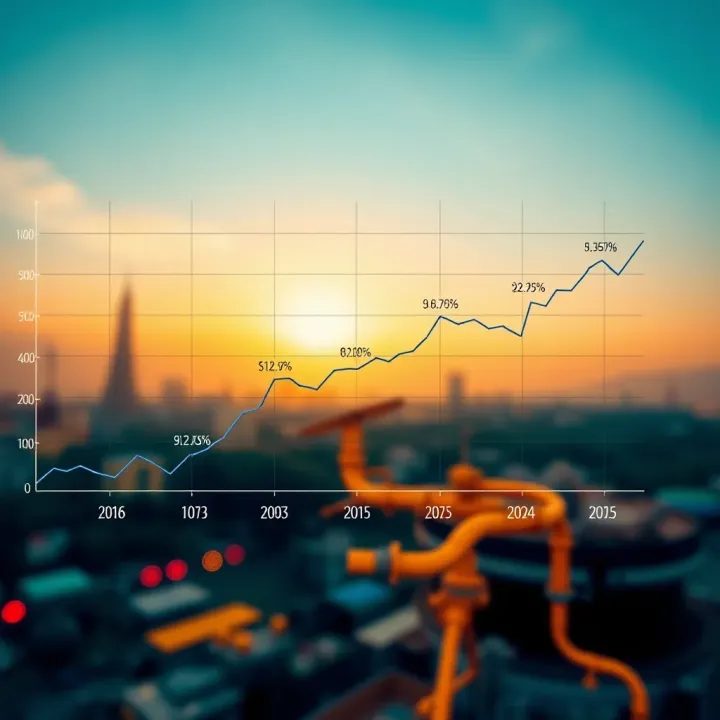
While OGRA handles technical pricing aspects, the government wields significant control over final prices through subsidies and policy decisions. It often adjusts gas tariffs for strategic sectors or social welfare reasons, sometimes delaying price hikes to manage inflation and public sentiment. For example, recent subsidy reforms show how government intervention tries to reduce fiscal burdens while protecting vulnerable consumers. This balancing act between market realities and political considerations shapes Pakistan’s natural gas pricing landscape.
Understanding these elements provides clarity on how Pakistan’s natural gas prices are set, helping stakeholders navigate market uncertainties with better foresight.
Natural gas prices in Pakistan are shaped by several key factors. Understanding these elements helps traders, investors, and analysts grasp why prices fluctuate and what drives the market. These factors range from global events to local infrastructure challenges, and each has a tangible impact on costs and availability.
International LNG prices and crude oil costs tend to move together. Since much of Pakistan’s imported natural gas arrives as liquefied natural gas (LNG), its pricing often links to international crude oil rates. For example, when global oil prices rise sharply due to supply constraints, LNG contracts usually follow suit, pushing Pakistan’s import costs higher. This link remains strong despite some diversification efforts, so local natural gas pricing still feels the ripple effect of global crude oil swings.
Global geopolitical events also influence these markets significantly. Conflicts in major oil-producing regions or sanctions against countries restricting supply cause price spikes worldwide. For Pakistan, this means sudden increases in LNG import bills and potential supply uncertainties. Events such as the Russia-Ukraine conflict have recently contributed to volatility, showing how international tensions translate to domestic energy costs.
The rupee-dollar exchange rate plays a direct role in natural gas pricing. Since LNG imports are paid in dollars, a depreciation of the Pakistani rupee increases the cost in local currency terms. For instance, a 10% fall in the rupee against the dollar can raise the import bill substantially, making natural gas more expensive for Pakistan’s consumers and industry.
These currency fluctuations also complicate budgeting and financial planning for energy companies and the government. Sharper rupee volatility makes it tougher to forecast costs while affecting subsidy burdens and tariff revision debates.
Pipeline infrastructure and maintenance form another important cost component. Pakistan’s vast pipeline network requires frequent upkeep, which demands ongoing investment. Ageing pipelines not only increase repair costs but also risk supply interruptions. For example, pipelines from Sui and Mari gas fields to distribution centres need robust management to ensure smooth flow while minimising losses.
Loadshedding and supply chain challenges add to the complexity. Delays in repairs, logistical hurdles, and unstable power supply at compressor stations reduce efficiency and push operational costs higher. These issues often filter through to consumers as price adjustments or shortages, especially during peak demand seasons when pipelines and transmission systems face maximum stress.
In sum, natural gas prices in Pakistan hinge on a mix of international market dynamics, currency strength, and domestic infrastructure health. Being aware of these core factors helps stakeholders anticipate price trends and plan accordingly.
Understanding recent shifts in natural gas prices is essential for traders, analysts, and investors tracking Pakistan’s energy market. These trends reflect adjustments in domestic policies, international agreements, and economic pressures that directly influence pricing mechanisms. Recognising how these factors unfold helps stakeholders anticipate market movements and make informed decisions.
Shifts in domestic tariffs have played a significant role in shaping natural gas prices. Over the past few years, the government has implemented periodic tariff revisions to balance the interests of consumers, suppliers, and the fiscal budget. For example, the Oil and Gas Regulatory Authority (OGRA) adjusted tariffs to reflect changes in supply costs and demand patterns. This impacted sectors differently; industries experience rising energy costs, while consumer tariffs saw gradual increases aimed at reducing subsidy burdens.
These tariff shifts influence Pakistan’s broader energy landscape by encouraging more efficient usage and affecting competitiveness in manufacturing. Traders and brokers tracking price signals often see these domestic changes as indicators for future demand, especially when tariff hikes coincide with seasonal consumption peaks.
Impact of LNG import agreements is another key factor behind price changes. Pakistan’s growing reliance on imported liquefied natural gas (LNG) to meet shortfalls has tied domestic prices more closely to international market rates. Entering long-term LNG contracts with suppliers like Qatar brought some price stability but also exposed Pakistan to global market volatility.
Changes in global LNG prices—due to factors like geopolitical conflicts or supply disruptions—translate into direct costs for importers and ultimately affect consumer bills. For instance, price surges on international LNG markets in 2022 added pressure on Pakistan’s energy sector, forcing policy adjustments. Traders should keep an eye on these agreements, as their terms and renegotiations often signal shifts in domestic natural gas availability and costs.
Subsidy structures on natural gas have historically kept prices affordable for households and critical industries. These subsidies aim to shield consumers from full market prices and ensure energy access amidst fluctuating international rates. Subsidies vary by usage category, with residential consumers often receiving favourable rates compared to commercial buyers.
While subsidies benefit the public, they distort the actual cost signals and put a strain on government finances. This arrangement also leads to inefficiencies, such as overconsumption or discouraged investment in alternative energy sources.
Fiscal challenges and subsidy reforms have become inevitable as Pakistan’s economic conditions tighten. Persistent subsidy expenses have swollen the fiscal deficit, prompting the government to explore reform measures. Recent budgets have signalled gradual subsidy cuts or targeted support to reduce financial pressure without causing widespread hardship.
Reforms aim to improve transparency and encourage more market-responsive pricing, helping investors and industry players assess risks realistically. However, these changes must balance economic sustainability with social equity, affecting how markets and consumers respond to new price dynamics.
Recent trends in natural gas pricing illustrate Pakistan's continuous effort to navigate between international market realities and domestic economic priorities. For traders and investors, understanding these shifts offers clearer insight into risk management and opportunity identification within Pakistan's energy sector.
Understanding the impact of natural gas prices on Pakistan’s economy and consumers is vital for investors, traders, and analysts alike. Fluctuations in gas prices ripple through the industrial sector, influence inflation rates, and directly affect household budgets. This section breaks down these consequences, offering insights on how and why natural gas pricing matters beyond just the energy markets.
Natural gas forms a significant part of the energy mix for Pakistan’s manufacturing industries. When gas prices rise, the cost of production increases directly, hitting sectors like fertiliser, textiles, and cement hard. For example, a surge in LNG prices last year pushed fertiliser producers to pay more for feedstock, which raised production costs noticeably. These cost pressures often force manufacturers to rethink operations or pass expenses on to customers.
Higher natural gas costs don’t just pinch industrial players at the input level; they affect overall energy bills. Industries running gas-based power generation face amplified electricity rates during price hikes, worsening the loadshedding issues. This combination strains factories and leads to inefficiencies, ultimately curbing profitability and deterring new investment.
Inflation ties closely to energy pricing. Increased production expenses due to costly gas translate into higher prices for goods and services across the board. Consumers in Karachi or Lahore might see rising food prices partly because of raw material costs climbing from expensive natural gas. This upward pressure on inflation adds complexity for the State Bank of Pakistan in managing monetary policy and stabilising the economy.
Changes in natural gas pricing affect households most clearly through utility bills. An increase in gas tariffs raises monthly expenses for cooking, heating, and sometimes water heating. In Pakistan, where gas dependence is high, even a small hike in price can add hundreds of rupees to a family’s monthly budget, hitting middle and lower-income groups hard.
Access to affordable natural gas remains a growing concern. Despite subsidies, irregular supply and periodic price adjustments cause unpredictability for consumers. In some rural or peri-urban areas, people might rely on alternative fuels due to affordability or access issues, undermining energy efficiency and increasing costs. Policymakers need to balance subsidy reduction with protecting vulnerable households from energy poverty.
Rising natural gas prices send shockwaves through Pakistan’s economy — from industrial costs to household bills. Understanding these effects helps stakeholders anticipate market movements and policy responses better.
In summary, natural gas pricing impacts Pakistan's industrial competitiveness, inflation dynamics, and household affordability. Investors and analysts tracking energy and economic trends must watch these factors closely, as they often signal wider market shifts and policy directions.
Looking ahead at the future prospects of natural gas pricing in Pakistan is vital for traders, investors, and analysts who track the country's energy market. The focus on upcoming supply developments, policy changes, and regional cooperation helps in understanding potential price dynamics and investment opportunities. These prospects also indicate how Pakistan might address energy security and affordability challenges amid economic pressures and global market shifts.
Pakistan is exploring several new natural gas projects, including offshore fields in Sindh and discoveries in Balochistan. These projects aim to boost domestic production, reducing dependence on costly LNG imports. Increasing local supply can ease pressure on prices and improve energy availability for both industry and households. For instance, the recent development at the Bhit gas field is expected to add meaningful volumes by FY 2024-25.
Additionally, exploration activities continue under both public and private partnerships, supported by the government’s incentives. If new gas reserves come online as planned, this will support long-term price stability and lessen exposure to international price volatility.
Regional cooperation through initiatives like the China-Pakistan Economic Corridor (CPEC) plays a significant role in future gas pricing. Under CPEC, infrastructure investments include pipelines and processing facilities that improve transport and storage capacity. Collaborations with Central Asian countries for potential pipeline routes also promise access to new gas sources, potentially at lower costs than LNG imports.
Such cooperation can lower transmission expenses, reducing the final consumer price. It also offers leverage in negotiations for gas purchase agreements, providing Pakistan with more stable supply options amid global uncertainties.
Pakistan is gradually shifting focus towards renewable energy alternatives to diversify its energy mix. While natural gas will likely remain a key player, greater investment in solar and wind projects aims to reduce the country’s overall gas demand growth. This transition can eventually moderate the upward pressure on gas prices caused by rising demand in the power sector.
Government plans for pricing reforms are also critical. The State Bank of Pakistan and Oil and Gas Regulatory Authority (OGRA) have discussed frameworks to make gas tariffs more market-driven, improving cost recoveries and investment climate. Transparent pricing reflects supply costs more accurately, encouraging efficient consumption and reducing subsidy burdens.
These future measures—along with new supplies and regional ties—will shape a more sustainable and predictable natural gas market in Pakistan, benefiting consumers, industries, and investors alike.
📈 Discover what shapes Amazon's share price, its historical patterns, and key factors Pakistani investors should watch before investing in this global giant.

Explore Audacity Capital's impact on Pakistan's economy 🇵🇰, its unique investment strategies, and its role in shaping both local and global markets 📈.
Explore how Pakistan’s agricultural policies impact farmers and the economy 🌾. Discover challenges, initiatives, and ways to strengthen rural growth 🚜.
Explore how inflation impacts Pakistan's economy 🇵🇰, influencing prices, sectors, and policies that shape daily life and economic stability 📊.
Based on 9 reviews