

Guide to Trading Books in PDF for Pakistani Traders
📚 Explore top trading books in PDF format! Learn where to find reliable resources and tips to boost your trading skills in Pakistan and beyond. 🇵🇰💹
Edited By
Liam Carter
Trading PDF books have become a go-to resource for many investors, traders, and brokers looking to sharpen their skills and expand their market knowledge. These digital guides often pack a lot of insights in a compact format that's easy to carry around or access on your devices anytime. But not all trading PDFs are made equal—knowing what to look for and how to choose quality material can make a world of difference.
In this article, we'll walk you through why trading PDFs matter, the kind of content they typically include, and how you can pick the right ones without falling into the trap of low-quality or even illegal copies. Plus, we’ll share practical tips on how to get the most out of these resources so you can use lessons learned directly in your trading strategies.
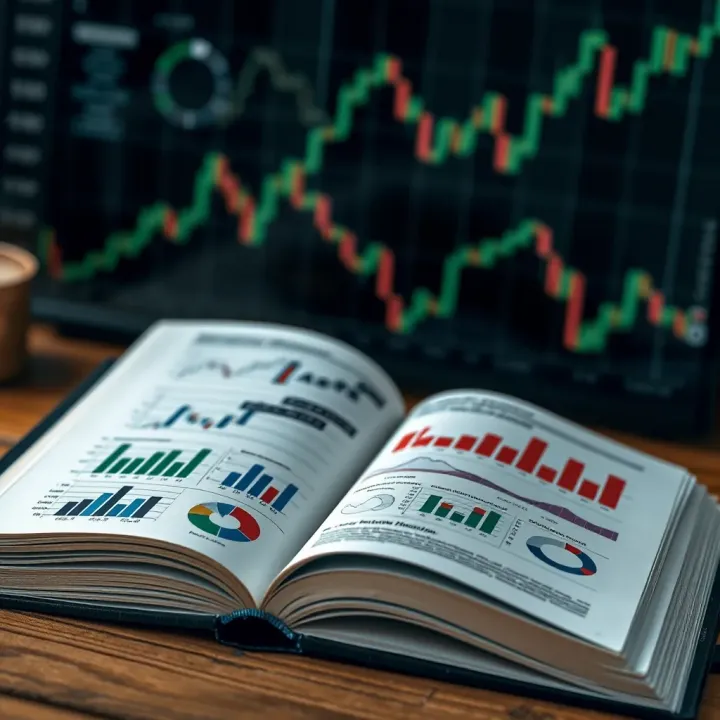
Whether you're a day trader trying to decode technical charts or a long-term investor wanting to understand market behaviors, this guide will give you a clear roadmap. We aim to bridge the gap between raw information and actionable knowledge, making sure you save both time and effort while navigating the sea of trading books available in PDF form.
Remember, successful trading isn't just about knowing how to buy or sell; it's about continually learning from reliable sources and adapting your approach accordingly.
Let's dive in with a clear focus on practical advice suited for professionals and enthusiasts alike, especially those based in Pakistan’s evolving financial markets.
Understanding what trading PDF books are and what they offer is the first step toward making informed decisions in the trading world. Whether you're a newbie trader or an experienced investor, these books provide foundational insights and practical knowledge that can sharpen your skills. They serve as handy guides packed with trading theory, strategies, and real-life examples, all wrapped in an easy-to-access format.
Trading PDF books are digital documents specifically focused on various aspects of trading financial instruments such as stocks, forex, commodities, or cryptocurrencies. Unlike printed books, PDFs can be read on smartphones, tablets, and computers without internet access once downloaded. They are typically available in formats like PDF/A, which preserves formatting, or scanned copies of original books. This flexibility means traders can learn on the go, whether they're sitting at a cafe or commuting.
These books can come from a variety of reliable sources: brokerage firms, financial educators, and even government or regulatory websites. For example, platforms like TD Ameritrade and Interactive Brokers often provide educational PDFs as part of their resources. Additionally, well-known publishers like Wiley or McGraw-Hill offer official eBook versions, which traders can purchase or sometimes find through their libraries. Accessing PDFs from trusted sources ensures you're getting accurate, up-to-date information rather than outdated or pirated content.
Most trading PDFs start with core concepts such as market types, order types, and trading terminology. For instance, you’ll learn about bid-ask spreads, leverage, and margin trading. A solid grip on these basics prevents costly misunderstandings when entering real trades. These sections often use charts and graphs to clarify points, making it easier for visual learners.
PDFs usually dive into various trading strategies—from day trading tactics to swing trading and long-term investing. These guides explain how to spot entry and exit points, often through examples like using moving averages or relative strength indicators. For example, a book might walk you through a simple Moving Average Crossover strategy step by step, showing how it could work in the current market.
Managing risk effectively is what separates successful traders from the rest. Many trading PDF books focus on this by discussing stop-loss orders, position sizing, and diversification. They’ll often highlight real-world cases where poor risk management wiped out traders’ accounts, emphasizing why this topic deserves special attention.
Market analysis forms the backbone of effective trading. PDF books typically cover technical analysis, including candlestick patterns and trend lines, as well as fundamental analysis like assessing company balance sheets or economic indicators. For example, you might find a detailed explanation of how earning reports impact stock prices or how economic calendars work for forex traders.
Understanding these components within trading PDFs equips you with the knowledge to not just follow markets blindly but to engage with them confidently and strategically.
By grasping what trading PDF books encompass—both in format and content—you set yourself up to extract maximum value from these resources. They’re not just files on your device; they’re training manuals designed to turn information into actionable skills.
Understanding the benefits of trading PDF books is key for anyone looking to deepen their knowledge without breaking the bank or sacrificing convenience. Trading PDFs offer some unique advantages that digital or physical books alone might not match, making them an appealing option for traders at all levels.
One of the biggest selling points of trading PDFs is how effortlessly they can be obtained and used. Imagine you’re commuting to work or sitting in a quiet cafe—you can just pull out your phone or tablet and start reading without lugging around heavy books. For instance, platforms like Investopedia or brokers like Interactive Brokers often offer downloadable PDFs that cover everything from beginner guides to advanced strategies, ready at your fingertips anytime.
The portable nature means you can build a library of diverse trading knowledge without hogging space. This is especially useful in Pakistan, where physical bookstores with niche trading content may be limited. With just a couple of clicks, you can download and keep your favorite references in your pocket.
Another big plus is the ability to read offline. Not everyone has stable internet access all the time, particularly in smaller cities or rural areas in Pakistan. Being able to download a trading PDF once and access it anywhere, even without internet, keeps your learning uninterrupted.
Offline reading is great for moments when you want to study during a flight, in the subway, or when the WiFi is spotty. It removes a common frustration of digital learning — not getting stuck waiting for pages to load or streaming videos that buffer endlessly. The simplicity of PDF files assures fast loading on virtually any device.
Trading PDFs often come cheaper than physical books or paid courses. Many brokers, financial educators, and even central banks (like the State Bank of Pakistan) publish free resources to educate traders. For example, you might find a PDF on candlestick charting techniques or a primer on forex trading without ever spending a dime.
Even when PDFs aren’t free, their cost tends to be a fraction of what professional course platforms charge. This affordability opens doors for new traders who want to learn without a large upfront investment. There’s no need to shell out hundreds for pricey courses if you’re just starting.
With trading PDFs, you’re not stuck with one author’s viewpoint or a single trading style. You can gather guides on technical analysis, fundamental approaches, and even trader psychology from various sources. A local Pakistani trader might download a PDF about understanding Pakistan Stock Exchange mechanics, then complement that knowledge with an international expert’s PDF on Elliott Wave theory.
This variety helps you build a well-rounded grasp that’s crucial in a complex field like trading. PDFs open the door to mixing and matching insights, so you can find what fits your trading style and market conditions best.
Remember: Always make sure your PDFs come from reliable sources to stay clear of outdated or misleading info, which can be worse than having no data at all.
In sum, trading PDF books deliver a practical, affordable, and accessible way to learn the ropes and sharpen your skills. They fit neatly into busy lives and diverse budgets, making them a no-brainer for traders in Pakistan and beyond.
Choosing the right trading PDF book is more important than just grabbing the first free download you find. Reliable books provide accurate, current insights that can shape your trading approach and boost your confidence in decision-making. With so many options out there, knowing which ones are trustworthy saves you time and the headache of sorting through poor or misleading information.
When picking a trading guide, the author's background tells you a lot. Look for someone who has real trading experience or a solid track record in finance. For example, books by authors like Jack Schwager, known for "Market Wizards," or Alexander Elder, author of "Trading for a Living," carry weight because they’ve been in the trenches. Their practical knowledge often shines through in advice that’s tested in real markets, not just theory.
A quick search about the author’s career history or accomplishments can offer clues. Avoid books by unknown authors who don’t reveal their credentials – it’s like following directions from a stranger without a map.
Reviews offer a window into how others in the trading community perceive a book. Platforms like Goodreads or Amazon compile honest feedback. For example, if multiple readers praise a book for clarity and actionable tips, that’s a good sign. On the flip side, beware of overly generic praise without details, which might suggest fake reviews.
Endorsements from recognized traders or financial institutions add credibility. If a respected brokerage or trading educator recommends a PDF book, it likely contains sound content. Always check who endorses the book and why to gauge if it fits your learning style.
Trading is a fast-changing game – what worked ten years ago might not fly today. Check the publication date and edition of the PDF. Books updated regularly reflect current market conditions, new tools, and recent regulations. For example, a technical analysis guide published before the rise of algorithmic trading may miss crucial modern insights.
If a book references recent market events like the COVID-19 crash or changes in Pakistan’s market regulations, it shows the author’s commitment to relevance.
A trading PDF book full of jargon and complex formulas can intimidate beginners. Look for materials that explain concepts in simple language with practical examples. Consider a book that walks you through chart patterns using real market data or scenarios you might encounter on Karachi Stock Exchange.
Books that include step-by-step strategies or case studies help bridge theory with practice. If you see sections with annotated charts or mock trades, it’s usually a sign of clear, teaching-focused content.
Some PDFs floating around may be unauthorized copies, which not only hurts authors but can expose readers to corrupted files or malware. Always avoid downloading PDFs from shady websites offering ‘‘free’’ copies that seem too good to be true.
Using pirated copies can land you in legal trouble and often means missing out on content updates, support, or additional resources normally available to legitimate buyers.
To stay clear of these issues, obtain trading PDFs from official sources. These might include publisher websites, verified financial training institutes, or brokerage firms offering educational material directly. For instance, platforms like the Pakistan Stock Exchange education portal or respected institutions like the Institute of Chartered Accountants of Pakistan sometimes provide authorized learning PDFs.
This approach ensures you get genuine content, possible updates, and sometimes even supplementary guides or webinars.
Picking the right trading PDF is a bit like choosing a trusty compass in unfamiliar terrain: it points you in the right direction and helps avoid costly detours.
In sum, focus on author credibility, current and clear content, and always choose legal sources. Doing so turns your PDF book into a solid partner on your trading journey rather than a dead end.

When diving into the world of trading PDFs, knowing which kinds of books to focus on can save you tons of time and energy. These books usually fall into three broad categories: technical analysis, fundamental analysis, and strategy plus psychology. Each type targets different aspects of trading and caters to distinct needs, so picking the right mix can really boost your understanding and skillset.
Technical analysis books are like the trader’s toolbox for reading charts and spotting patterns. They help you get the hang of how prices move and how to predict future trends.
This is where you learn about familiar shapes like head and shoulders, double tops, or flags. Understanding these patterns can clue you in on potential price reversals or continuations. Indicators such as Moving Averages, Relative Strength Index (RSI), and Bollinger Bands give additional signals about market momentum or overbought conditions.
For example, if you spot a double bottom pattern on the Pakistan Stock Exchange data in a PDF book, it could signal a bullish reversal, meaning prices may soon climb. By recognizing these patterns early, you can plan your entries and exits more confidently.
Trend analysis dives into figuring out whether a market is moving up, down, or sideways. Books in this category explain how to identify trends using price action, volume, or trend lines. They often introduce concepts like breakout and pullback strategies.
A practical tip would be using the 50-day moving average as a trend indicator; if prices stay above this line consistently, it hints at a bullish trend. Such techniques are essential because trading with the trend often increases your odds of success.
While technical analysis looks at price data, fundamental analysis digs into the reasons behind price movements. These books focus on what makes a company or economy tick.
This part teaches how to assess a company’s financial health—checking earnings, revenue, debt, and assets—to determine if its stock is undervalued or overpriced. This is especially useful when you want to invest in long-term shares rather than quick trades.
For instance, a Pakistani company like Nestlé Pakistan (NESTLE) might have a PDF chapter explaining how to analyze its balance sheet or profit margins. Knowing these basics helps traders avoid buying overhyped stocks.
Markets don’t exist in a vacuum. Economic indicators like inflation rates, interest rates, and GDP growth can majorly impact asset prices. PDFs covering these topics explain how things like the State Bank of Pakistan's policy decisions or foreign exchange reserves influence market sentiment.
Being aware of economic shifts helps traders avoid nasty surprises and adapt their strategies accordingly.
Trading isn’t just numbers and charts—it’s a mental game too. Books focusing on strategy and psychology teach you how to develop your own trading plan and keep emotions in check.
These PDFs guide you in setting clear goals, deciding how much risk to take, and establishing rules for buying and selling. A solid plan might include stop-loss orders or profit targets tailored to your situation.
For example, a trader might learn to allocate only 2% of their account balance per trade to manage risk effectively, something strategy books emphasize strongly.
Market fluctuations can be nerve-wracking, leading to impulsive decisions or losses. Books on this topic help in building patience, managing fear, and staying calm.
Techniques such as mindfulness, journaling trades, and reviewing mistakes are common advice. Remember, emotional control is what separates steady traders from reckless gamblers.
A well-rounded trader blends technical know-how, fundamental insight, and strong mental discipline. Trading PDF books that cover these areas offer practical knowledge that you can immediately use, boosting your confidence and decision-making skills.
By focusing on these popular types, you’ll better understand which books suit your learning style and trading goals. Whether it’s mastering chart reading, evaluating a firm’s value, or sharpening your mental game, the right PDFs can be your reliable companions on the trading floor.
Getting the most out of trading PDFs isn’t just about skimming through pages—it requires active engagement and thoughtful application. These resources offer a wealth of knowledge, but turning that into real trading success means knowing how to digest, practice, and implement the information correctly.
For traders in Pakistan and elsewhere, trading PDFs can be a handy tool, especially given the easy access and affordability. But without a clear strategy to absorb the content and test ideas in practice, readers might find themselves overwhelmed or stuck in theory without moving forward.
Simply reading a PDF is like watching a cooking show without jotting down the recipe. To really internalize trading concepts, take notes actively. Highlight key points — like particular chart patterns or risk management rules — but do so sparingly. Over-highlighting can backfire, making the notes harder to navigate later.
Try summarizing sections in your own words. For example, after reading about the "Head and Shoulders" chart pattern, write a brief note on what it indicates and how to spot it. These notes will become your quick reference during trading or revisions.
Trading PDFs often introduce new strategies or indicators best learned by doing. Demo accounts, offered by brokers like IG or FXTM, let you apply these theories without risking real money. For instance, if you read about RSI (Relative Strength Index) strategies in a PDF, use a demo to see how RSI signals perform under different market conditions.
This hands-on practice bridges the gap between theory and real-world application, making the learning stick. It also builds confidence and helps uncover nuances that books don’t always cover.
Before risking funds, test your trading methods on historical data. Backtesting involves running your strategy on past market conditions to see how it would have performed. Many trading platforms like MetaTrader 4 or TradingView have built-in backtesting tools, which you can use alongside lessons from PDFs.
For example, if you learned a moving average crossover technique, backtest it over the last year’s price data for Pakistan Stock Exchange (PSX) shares to gauge its effectiveness. Be honest with results—spot where the system succeeds and where it fails, then fine-tune accordingly.
Accurate backtesting can save you from costly mistakes, showing what works before real money is on the line.
Jumping headfirst into live trading after finishing a PDF book can be a recipe for disaster. Instead, adopt a step-by-step approach. Start small, perhaps trading with a fraction of your intended capital while applying what you’ve learned.
For example, begin with simple strategies in low-volatility markets or monitor fewer assets to reduce complexity. Keep reviewing your trades and the PDF material together to reinforce learning and adjust your plan.
Gradual implementation helps build discipline and reduces emotional stress, which is often the biggest hurdle for traders.
Maximizing learning from trading PDFs is about turning pages into practical skills. Through smart reading habits, hands-on demo practice, and cautious real-trading steps, traders can convert knowledge into tangible results. This approach ensures that the valuable insights from PDFs are not just read but lived, paving the way for consistent success in the markets.
Navigating the world of trading PDF books can be tricky, especially if you're just starting out. Many traders fall into certain pitfalls that can slow down their progress or even send them off on the wrong track. Spotting these common mistakes early on can save you a lot of headaches and wasted time.
One of the biggest traps is thinking that reading PDF books will make you a market wizard overnight. While these books lay a solid foundation, they can't replace real-world experience. Trading is more than just knowing the theory; it’s about understanding how markets behave under different conditions. For instance, a strategy might look perfect on paper, but market emotions and unexpected news can change everything.
To avoid this, make sure you complement your reading with live market observation and small, controlled trades. Think of the PDFs as your guide, and the market as your classroom. Without stepping into that classroom, your learning will remain incomplete.
Another common mistake is to read through multiple PDF books without trying to put any of the lessons to work. It’s tempting to binge on pages of strategies and concepts, but if you don’t practice what you learn, the knowledge won’t stick. It’s like trying to learn to swim by reading about it without ever hitting the pool.
A practical step is to use demo accounts offered by brokers like IG or eToro, where you can test strategies risk-free. Try to replicate the examples from your books, then make small trades to see how they perform under real conditions. This builds your confidence and helps identify which ideas actually suit you.
The trading world moves fast, and using outdated PDFs can lead you down dangerous paths. For example, materials published before major market reforms or economic shifts may no longer be reliable. Relying on such information increases the risk of making poor decisions based on obsolete methods.
To spot outdated books, always check the publication date and cross-reference with recent market news. Trusted sources like Wiley’s "Technical Analysis of the Financial Markets" or up-to-date guides from financial training institutions ensure you’re working with solid, relevant info.
Not all PDFs focus on what matters most for your trading style or market interest. Wading through irrelevant content clutters your learning process and wastes precious time. For example, a beginner might get bogged down reading advanced algorithmic trading PDFs when they haven’t even grasped basic chart patterns yet.
A good practice is to outline your learning goals before picking a book. Ask yourself: Does this PDF cover the market I trade (like Forex or equities)? Does it suit my level? Targeted reading keeps you efficient and swiftly builds your skills without distractions.
Avoiding these pitfalls ensures that your journey through trading PDFs leads to meaningful growth, not frustration. Use these books as powerful tools but remember, practical experience and careful selection of materials go hand in hand.
Finding quality trading PDF books can feel like hunting for a needle in a haystack, especially when you're looking for resources tailored to Pakistan’s market environment. It’s not just about grabbing any PDF you stumble upon; it’s about tapping into trusted, vetted sources that offer actionable insights for traders, brokers, analysts, or educators working within the region. Knowing where to look can save you both time and confusion, opening doors to learning material designed for your specific needs.
Brokerage platforms in Pakistan are increasingly becoming goldmines for educational materials, including trading PDF books. Firms like PSX Brokers or AKD Securities often provide downloadable guides and market analysis reports free of charge to encourage informed trading among their clients. These platforms are especially useful because the materials are updated regularly to reflect real-time market conditions and regulations specific to Pakistan.
Using these platforms means you get resources vetted by professionals who understand the local market’s quirks—whether it’s dealing with the Pakistani rupee's fluctuations or regional economic policies. Plus, these PDFs often come from official company sources, so you avoid the legal and ethical pitfalls of downloading pirated content.
Several financial training institutes in Pakistan produce or distribute high-quality trading educational PDFs. Institutions like ICAP (Institute of Chartered Accountants of Pakistan) and IBA Karachi offer training programs that come bundled with downloadable guides, tutorials, and case studies.
These resources reflect industry standards and practical examples relevant to the Pakistani market, such as navigating the Karachi Stock Exchange or understanding local taxation on capital gains. Enrolling in such programs or visiting their official websites can help traders get authentic PDFs that align well with academic rigor and practical application.
Local trader groups on platforms like Facebook or WhatsApp can be surprisingly resourceful. These groups often share curated PDFs, personal notes, and market insights tailored to Pakistan’s trading environment. For example, a group focusing on the Pakistan Stock Exchange might share PDFs on recent trading strategies, regulatory updates, or economic reports.
What makes these groups valuable is the direct interaction with peers and seasoned professionals who review and endorse materials before sharing. This peer-review system can be a natural filter against misinformation. However, always exercise caution and cross-verify PDFs downloaded from such sources to avoid outdated or misleading content.
There are platforms specifically dedicated to hosting legal and verified PDFs related to trading and finance. For traders in Pakistan, platforms like Scribd—where authors and educational institutes often upload licensed content—can be handy. These platforms ensure the PDFs are safe, free from malware, and legally shared.
By relying on verified platforms, traders safeguard themselves against the risks of downloading corrupted or illegally shared content. This leads to a more reliable learning experience and ensures compliance with copyright laws, which is especially important when sharing or distributing materials within local communities or professional groups.
Always lean toward verified, official sources for trading PDFs to stay ahead in your learning curve without risking inaccuracies or legal troubles.
By focusing on official websites, recognized institutes, local expert communities, and verified platforms, Pakistani traders can confidently source valuable PDF books that both enhance their skills and respect legal boundaries.
When diving into trading PDF books, understanding the legal side is not just a formality, but a necessary step to protect yourself and respect others' work. Trading PDFs often carry valuable insights, but grabbing them without permission can land you in hot water. This section sheds light on why it matters, what risks are involved, and how to stay on the right path.
Respecting intellectual property means recognizing that the authors and publishers of these trading PDFs have rights over their work. They invest time and effort into crafting content that can genuinely help traders sharpen their skills. When you use these materials legally, you're supporting continued creation of quality resources. It’s like buying wheat to bake bread—not taking someone else’s loaf without permission. For example, downloading a trading strategy PDF from a brokerage's official educational site ensures you are respecting copyrights and helps keep the market knowledge ecosystem healthy.
Consequences of illegal downloads can be severe and far-reaching. Aside from the obvious ethical concerns, engaging with pirated PDFs could expose you to malware or scams, which are common on shady download sites. Moreover, legal repercussions can include fines or restrictions, especially if caught distributing copyrighted material. It’s not just about the money; your reputation as a trader can also take a hit, which matters a lot when working in finance. In short, the fallout from illegal downloads isn’t worth skipping a few dollars.
Use authorized sources whenever possible. Always check if the trading PDF is available through reputable channels like official brokerage platforms, recognized financial education providers, or the authors' own websites. These sources normally ensure the books are up to date and accurate, avoiding the pitfall of outdated or fraudulent content. For instance, platforms like Investopedia or the Pakistan Stock Exchange's educational page often offer reliable PDFs or eBooks.
Avoid suspicious websites that promise free versions of popular trading books without authorization. These sites may host outdated material, incomplete downloads, or worse, malware hidden in the files. Trustworthy sources typically do not require dubious software installations or personal data besides an email. If a website feels fishy or too good to be true, it's best to steer clear. Your safety and data privacy are just as important as staying within the law.
Staying legal while accessing trading PDFs not only protects you but also encourages the creation of more high-quality trading resources.
By keeping these legal points in mind, traders and investors in Pakistan can make smarter, safer choices about the materials they use to boost their market knowledge.
While trading PDF books offer convenience and depth, they aren't the only way to learn about trading. Exploring alternatives can provide a more well-rounded knowledge base that caters to different learning styles. These options often offer a hands-on, engaging approach that you might not get from static written material alone. Whether you're a new trader or someone looking to sharpen your skills, considering alternatives like online courses, webinars, video tutorials, and podcasts can be a game changer.
Online courses and webinars bring an interactive element that PDFs simply can’t match. Instead of passively reading, you get to engage with quizzes, exercises, and sometimes live Q&A sessions. This interaction helps cement concepts more firmly. For instance, platforms like Udemy or Coursera often include assignments where you apply trading principles on simulated portfolios, making the learning practical.
The ability to ask questions in real-time or participate in discussion boards also helps clear doubts on the spot. With trading being so dynamic, this immediate feedback keeps you from slipping into common pitfalls early on. Imagine trying to piece together candlestick patterns on your own but having a live expert point out the nuances—this kind of learning can speed up your progress considerably.
One major perk of online courses and webinars is the chance to learn directly from seasoned traders and financial analysts. This is critical because expertise offers insight beyond textbook knowledge, often including tips born from real-world experience. For example, a webinar hosted by a renowned trader like Rayner Teo not only explains concepts but also shares market anecdotes that enrich understanding.
Moreover, some courses provide ongoing mentorship or community access long after the sessions conclude. This follow-up guidance allows you to seek advice as you navigate real trades, creating a support network rarely available in static PDF formats.
Some traders grasp concepts better when they see and hear them explained. Video tutorials and podcasts cater to this by breaking down complicated ideas into clear, illustrated steps. Take YouTube channels like "The Trading Channel" or podcasts such as "Chat With Traders"—they combine storytelling with analysis, which helps concepts stick.
Visual cues like charts and live demonstrations of trading platforms make it easier to understand tricky topics such as stop-loss orders or Fibonacci retracements. Hearing the rationale behind decisions in podcasts adds a layer of context that text alone might miss.
Another advantage here is flexibility. Busy traders can squeeze in lessons during commutes or exercise with podcasts, turning otherwise wasted time into productive learning moments. Similarly, video tutorials let you pause, rewind, and replay tough sections, accommodating your pace.
This flexibility also means that you can revisit complex topics just when you need them. Say you’re about to implement a new strategy; opening up a quick tutorial for a refresher just before making your move can boost confidence and reduce mistakes.
Exploring diverse learning options beyond PDF books can accelerate your trading skills by offering practical, real-time insights and adaptable study methods that fit right into your daily routine.
In summary, mixing PDF reading with dynamic alternatives like online courses or multimedia content broadens your understanding and keeps the learning process engaging. For Pakistan traders balancing hectic schedules, these options can be particularly valuable, providing expert knowledge and tangible skills in ways that static text sometimes can't.
In the fast-moving world of trading, staying updated is more than just a good habit—it's a necessity. Market conditions shift quickly, new strategies emerge, and tools improve constantly. If you lean too heavily on outdated information, you might find yourself a step behind, missing key opportunities or falling prey to risks you could've dodged. Keeping your trading knowledge fresh ensures that what you learn from PDF books or other sources remains relevant and practical in actual trading scenarios.
Good traders keep an eye on reputable news sources that deliver timely and accurate market data. For instance, platforms like Bloomberg, Reuters, and CNBC regularly update financial news, corporate announcements, and economic developments. These portals help traders react swiftly to events like earnings reports, geopolitical tensions, or policy changes. By checking such sources daily, you stay in the loop on factors influencing asset prices.
A useful tip is to set alerts for specific sectors or stocks you trade frequently. This way, you won’t need to constantly refresh news pages but get notified when something important breaks.
Economic calendars are essential tools for traders wanting to track key data releases such as inflation numbers, unemployment statistics, or central bank meetings. These events often cause volatility in currency and equity markets, so knowing when they're scheduled can help you plan trades or avoid unexpected swings.
Pakistan traders can find tailored calendars showing local and international events affecting PKR or regional markets. For example, the State Bank of Pakistan's announcements on interest rates can move the market, so keeping an economic calendar handy prevents nasty surprises. Use these calendars to schedule your study sessions around major events for more effective learning.
Trading isn’t a solitary activity—connecting with fellow traders can accelerate your learning curve. Local communities, whether physical meetups or online groups, provide a platform to exchange ideas, discuss emerging trends, and ask for advice. Being part of such networks exposes you to diverse perspectives that a lone study session simply can't match.
For example, Karachi and Lahore have active trading groups where members share tips on strategies specific to Pakistan's market conditions. Networking there might even connect you with mentors who have weathered market ups and downs.
Participating in discussions and sharing your own trading experiences reinforce what you learn from PDFs or courses. It also opens space for constructive feedback, helping you identify blind spots. When you explain concepts or results to peers, you solidify your understanding and often discover new approaches.
Regularly sharing in community forums or chat groups keeps you accountable and engaged. It’s common to find traders discussing everything from effective uses of moving averages to emotional control during losses—topics often only lightly covered in books but crucial in real life.
Staying current is not just about absorbing new information but actively engaging with the market and fellow traders. This dynamic approach will support your growth far better than passive reading alone.
By combining up-to-the-minute news, structured economic data, and active community participation, you ensure that your trading knowledge adapts to the realities of today’s markets, especially within Pakistan's unique financial environment.
📚 Explore top trading books in PDF format! Learn where to find reliable resources and tips to boost your trading skills in Pakistan and beyond. 🇵🇰💹

📚 Discover a practical guide to trading books in PDF format! Learn to find reliable sources, top titles, and tips for effective learning routines. 📈
📊 Discover how Volume Spread Analysis (VSA) helps identify market moves using volume and price. Learn setups, risk control, and avoid common mistakes for trading success in Pakistan.
📊 Explore practical tips for trading CFDs in Pakistan! Learn strategies, manage risks, understand regulations, and trade smarter with expert insights.
Based on 8 reviews