

Trading Without Investment: How to Start in Pakistan
💹 Discover ways to trade with little or no money upfront in Pakistan. Learn practical tips, risks, and legal factors before you start trading today!
Edited By
Joshua Reed
Trading can seem like a tough game to get into, especially when you think about the money involved. But what if you could practice trading without risking a single rupee? That’s exactly what trading apps without real money investment offer—an opportunity to learn, test strategies, and understand market movements without financial pressure.
In Pakistan, where the stock market is growing but many beginners hesitate due to risk, these apps fill a crucial gap. They allow aspiring traders, brokers, investors, and even educators to explore trading concepts in a safe, simulated environment.
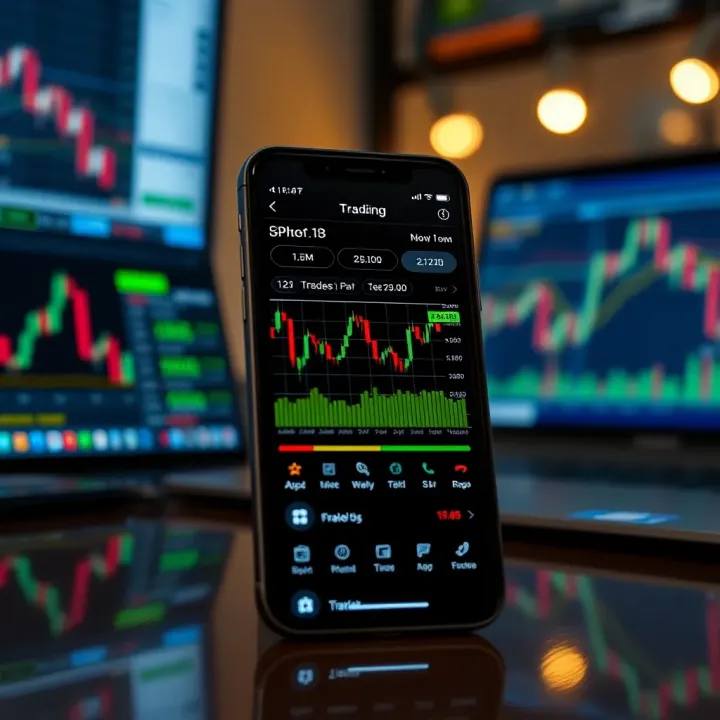
This article will cover how these apps function, the benefits and drawbacks they bring, and how they can help build confidence and skills before anyone dares to invest for real. We’ll also highlight some popular options available locally and globally, and tips on picking the right one for your needs.
Understanding trading through simulation is like learning to swim on dry land—it’s not the real thing but it’s the first step before diving into the deep end.
Let’s dive in and find out how you can get started without touching your wallet just yet.
Getting a solid grip on trading apps that don't require real money is a smart move, especially if you're stepping into the world of stocks or currencies but want to avoid risking your hard-earned cash right off the bat. These apps are like training wheels for trading—helping you get the hang of things before you dive into the actual market. In the Pakistan context, where new traders are increasingly curious but cautious, understanding these platforms offers a comfortable way to test the waters.
Investment-free trading apps are software platforms that let you engage in trading activities using virtual money instead of real cash. The main purpose? To help beginners learn the ropes without the fear of losing actual money. Think of apps like Investopedia Simulator or eToro’s demo mode—they provide realistic market scenarios but with virtual funds.
These apps serve as educational tools, offering hands-on experience in placing orders, reading charts, and understanding market movements. This is especially handy if you're new to trading and want to build foundational skills before you commit financially.
Unlike regular trading apps where you buy or sell actual financial instruments, these no-investment apps won't touch your real wallet. There's no deposit required, and all profits or losses exist only on paper. Also, features like withdrawal, real dividends, or real-time market order execution are usually not available or are simplified.
This difference means the emotional stakes are lower, which can be good and bad—while you learn without stress, the real market emotions like fear or greed aren't fully experienced here. For instance, through apps like TD Ameritrade’s thinkorswim demo, users see how trades play out in a risk-free environment but can notice that live trading feels a bit different.
Many first-timers turn to these apps to understand the essentials—how to place buy or sell orders, what terms like 'stop loss' or 'limit order' mean, or how market hours affect trading. For example, a beginner in Karachi might use such an app to practice setting stop-losses to see how it protects against losses without risking actual money.
The appeal here is obvious—you can make mistakes without a dent in your finances. Imagine a scenario where a novice trader experiments wildly during volatile market hours; the fear of losing money is gone, so they can focus on strategy and technique. This kind of trial and error builds confidence.
These apps also help users grasp broader ideas such as diversification, portfolio management, and market trends. You could simulate creating a tech-heavy portfolio to watch how it might respond to regional news or global crises affecting Pakistan’s markets, giving insights that are harder to learn from textbooks alone.
Using investment-free trading apps can be like having a flight simulator for trading – offering a crash course without the crash.
In a nutshell, these platforms provide a hands-on, safe ground for learning and experimenting, which is invaluable for those aiming to become savvy traders without rushing into real money investing.
When looking at trading apps that don’t require real money, understanding their core features is essential. These platforms aren’t just empty shells; they offer a variety of tools designed to help users learn and practice trading without risking cash. Whether you’re a newbie trying to decode market jargon or someone wanting to fine-tune strategies, these features play a big role in making the experience useful and relatable.
Virtual portfolios let you build and manage a mock collection of assets—as if you’re trading for real. Imagine getting a fixed imaginary amount, say 100,000 PKR, to create your own mix of stocks or commodities. This setup is great for experimenting with buying and selling decisions without sweating over losses. For instance, if prices drop after you ‘buy’ a stock, it’s a chance to understand market swings firsthand without actual financial pain.
Real-time market data simulation gives you live-ish updates that mimic the real stock market’s ebb and flow. Some apps use current market conditions to reflect price changes on virtual assets, so you’re not just staring at stale numbers. This feature is key because it teaches you to react to shifting prices, volume changes, and trends, much like what professional traders face daily. Apps offering this can give you a closer taste of real market dynamics while keeping your hard-earned money safely tucked away.
Good trading apps come packed with tutorials and guides that break down complex stuff into bite-sized pieces. Instead of feeling overwhelmed by charts and jargon, these resources walk you through basics like reading candlesticks, understanding order types, and spotting bullish or bearish patterns. Think of it as having a patient mentor beside you, explaining things clearly so you don’t miss the essentials.
On top of that, many apps share strategies and tips that traders use to make smarter moves. From simple ideas like ‘cut your losses early’ to more nuanced ones like diversification strategies, these help you craft your own approach. For example, some platforms include guidance on when to enter or exit trades based on momentum or market news, which can sharpen your decision-making before you go live with real cash.
A fun but effective way to stay motivated is through leaderboards, where users can see how they stack up against others in simulated trading contests. This competitive edge encourages learning by doing, pushing you to refine your skills without any risk. It’s like friendly sparring—all the thrill without the bruises.
Alongside competitions, discussion forums offer a space where traders share insights, ask questions, and swap experiences. Being part of such communities helps you pick up nuggets of wisdom from peers and experts alike. You might come across threads discussing market news, trading mistakes to avoid, or even app-specific hacks that save time and prevent errors. It’s a helpful environment, especially for those getting their feet wet in trading.
Using no-investment trading apps equipped with these features provides a hands-on, practical way to grasp how markets work—setting a solid foundation before risking real money.
Overall, these features make investment-free trading platforms more than just games; they become real practice grounds where learning meets action. Understanding and utilizing these key elements can dramatically boost your trading education right from Pakistan, without the fear of losing a rupee upfront.
Trading apps that allow users to practice without investing real money offer several key advantages, especially for beginners or those exploring trading in Pakistan’s markets. They create a safe space to learn the ropes and sharpen skills without the usual risks. Below, we'll break down some of the most important perks these apps provide.
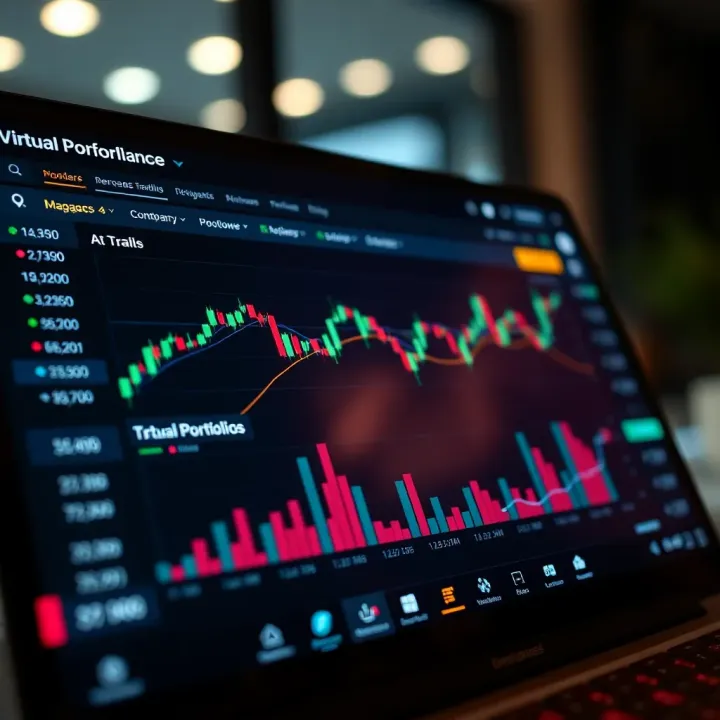
One of the biggest draws of using these apps is the ability to avoid financial losses. When you're new to trading, jumping straight into real investments can feel like walking blindfolded into a minefield. These platforms use virtual funds, so you can make mistakes freely — whether it’s buying when you should’ve sold or losing track of stop-loss orders — without the worry of your bank balance nosediving.
Take, for example, someone learning to trade forex on apps like MetaTrader 5's demo account. They can try different strategies like scalping or swing trading without risking a single rupee. This “sandbox” environment literally lets you test waters and figure out what works best for you.
Equally important is how this experience builds confidence. Beginners often second-guess themselves when actual money is on the line, freezing up or pulling out too early. Practicing in a risk-free setting allows traders to get a feel for market movements and trade execution, gradually turning hesitation into informed decision-making. It’s like learning to ride a bike with training wheels before going off-road.
Another significant advantage is acquiring tangible trading skills that are crucial when stepping into real markets. For starters, order placement — which includes setting buy and sell orders properly, using market or limit orders, and managing stop losses — can be tricky without practice. Demo trading apps provide hands-on experience, helping traders understand order types and the timing needed to execute them effectively.
Think of a newbie trying to buy stocks through an app like eToro’s practice mode. They’ll learn to navigate the interface, place orders, and observe how those trades affect their virtual portfolio. This familiarity slashes errors when real funds are involved.
Moreover, these apps help develop market analysis skills. Effective trading isn’t just about buying low and selling high; it requires interpreting charts, spotting trends, and recognizing economic indicators. Through simulated markets, users can apply technical and fundamental analysis without real stress. They see the direct impact of news events, price swings, and investor sentiment, all of which deepen their understanding.
Practicing with virtual money sharpens your instincts without the sting of losing actual cash — a true asset for any trader just starting out.
Overall, the blend of risk-free learning and practical skill-building makes these no-investment trading apps a valuable step toward becoming a confident, knowledgeable market participant. For traders in Pakistan, especially those cautious about their first real investment, these platforms offer a practical and smart approach to building competence from the ground up.
When dipping your toes into trading apps that don’t require real money, it’s easy to get comfortable because there’s no real skin in the game. However, these platforms carry certain limitations that every user should know about before relying on them too heavily. Understanding these constraints helps set realistic expectations and prepares you better for the jump to real trading.
One of the biggest gaps between using a demo trading app and real markets is the emotional component—or rather the lack of it. When you’re playing with virtual money, it’s all a bit like a video game. Losing doesn’t hurt your wallet, so the anxiety, fear, and excitement that come with real money trading don’t kick in. This emotional detachment can actually be a double-edged sword.
On one hand, it lets beginners practice without pressure, but on the other, it misses training the most crucial aspect of trading: managing your emotions under pressure. For instance, a new trader might happily try risky strategies on a no-investment app, but when real money is on the line, fear of loss might freeze them up or cause rash decisions. So, while these apps are great for learning mechanics, be aware that they don’t fully prepare you for the mental game of trading.
Another place where no-investment trading apps fall short is in how trades get executed. Real markets have liquidity—the actual availability of buyers and sellers—and timing of orders that can impact prices and slippage. Demo environments often simulate perfect or near-perfect execution without the delays or price movements that happen in live trading.
For example, if you place a sell order on a demo app, it typically fills instantly at the displayed price. In a real scenario, rapid market changes might cause your order to fill at a worse price, or partial fills could occur. This means practicing on such apps won’t fully prepare you for handling these execution quirks, which can be crucial for day traders or those trading large volumes.
Demo apps usually offer a limited selection of financial instruments. They tend to focus on popular stocks, ETFs, or currencies but leave out more complex assets like options, futures, or certain international stocks. This narrowing down simplifies the learning curve but also restricts exposure.
For traders in Pakistan, this means while you might practice buying shares of companies like Pakistan State Oil or Engro Corporation on a demo platform, options trading or futures contracts might not be available for simulation. This is important to keep in mind if your real ambition is to broaden your trading horizons later.
To keep things digestible and user-friendly, these apps often present markets in a simplified manner. Real markets are messy, with unexpected events, news impacts, and technical glitches. Demo apps smooth over these bumps, showing stable price movements without the volatility or sudden shocks seen in live markets.
This can lead to users underestimating the complexity of real trading. For example, a sudden political or economic event can cause rapid price swings that no demo can truly replicate. Thus, while practicing on these apps is valuable, treating their scenarios as fully representative might give a false sense of market behavior.
Always remember: trading with virtual money helps with getting the basics right but won’t fully prep you for the realities of live markets. Treat these apps as stepping stones and train yourself for the fuller experience gradually.
By keeping these limitations in mind, you’ll be better positioned to make the most out of no-investment trading apps without being caught off guard when diving into real trading in markets like Pakistan’s.
Pakistan’s growing interest in the stock market has brought no-investment trading apps under the spotlight. These apps offer a risk-free way to understand market dynamics without committing real money, which is a big relief for many beginners still trying to find their footing. Given the economic fluctuations and regulatory environment in Pakistan, these platforms provide a practical entry point that is both accessible and educational.
A user-friendly app interface makes a huge difference when you’re just starting out. Apps like Stock Trainer and Investing.com’s simulator offer clean, straightforward dashboards that mimic real trading platforms but without the clutter that might overwhelm new users. The tools are easily accessible, and the order placement is intuitive, helping users focus on learning rather than fumbling through confusing menus. The smoother the interface, the less time lost on figuring out ‘how’ and more on what’s happening in the market.
No-investment apps often cover a range of markets – from equities and commodities to forex and cryptocurrencies. For Pakistan-based users, platforms that support the Pakistan Stock Exchange (PSX) alongside global markets can be a real advantage. This dual exposure helps learners grasp both local and international trading conditions. For example, Trading 212 offers simulated trading on major global stocks and forex pairs, while apps like NSE Academy’s Simulator might focus more on regional equities, giving users a taste of familiar markets.
Beginners need apps that don’t throw them in the deep end. The best no-investment trading apps offer a gentle slope, starting with simple concepts and gradually introducing more complex tools. Thinkorswim’s paper trading mode, for instance, allows users to start with basic trades and slowly add in options and derivatives as confidence grows. The ability to pause, review, and repeat trades without penalty means the learning curve doesn’t feel frustrating.
Good apps back up their practice environment with solid training materials. This includes tutorials that explain trading jargon, video guides on strategy, and real-time hints during simulated trades. Pakistani traders have found apps like Investopedia Simulator exceptionally helpful because they combine practice with education in one place. Localized content or support forums can further enhance understanding, as users can discuss market nuances specific to Pakistan.
Using no-investment trading apps tailored or accessible for Pakistanis can boost confidence and skill before handling real money. It’s about learning smartly, by doing, but without risking a single rupee.
By focusing on apps that offer simple interfaces, relevant market choices, a manageable learning curve, and rich educational content, traders in Pakistan can find platforms that truly prepare them for the realities of investing—all without putting their savings on the line.
Picking the right no-investment trading app is more than just checking off features; it's about finding a platform that fits your learning style while genuinely prepping you for the real deals. Since these apps serve as a bridge to actual trading, making a wise choice helps avoid frustration and wasted time.
Here in Pakistan, where beginners often juggle access to financial learning and practical experience differently, choosing the correct app can be a game-changer. It’s not just about flashy interfaces but about the educational value, ease of use, and real-world relevance.
Quality of tutorials plays a huge part in how well you grasp trading concepts. Good tutorials should break down complex topics like candlestick patterns, leverage, or stop-loss orders into bite-sized pieces without glossing over details. They often include video lessons, infographics, or step-by-step writing that makes understanding feel less like a chore. For example, an app that uses real market scenarios to show you how to spot trends or avoid common pitfalls is far more helpful than one with vague or outdated material.
Beyond just watching or reading, look for apps with hands-on practice components. This means features like interactive quizzes, simulated trading exercises, or mini-challenges that let you test what you learned instantly. Such active involvement cements knowledge much better than passive consumption. Imagine practicing how to place a limit order on the dummy interface rather than just reading about it—those little trial runs add up to confidence.
Then, there’s reliability — nothing more frustrating than an app that crashes mid-simulation or loses your progress. In Pakistan's context, where internet issues might be common, choosing a platform known for stability helps avoid unnecessary headaches. User reviews are gold here; consistent praise about steady performance or quick problem-solving points to a trustworthy app.
Also, pay attention to app responsiveness. This is how quickly the app reacts when you make trades or switch features. A sluggish or laggy interface can kill the learning flow and make you dread using the app. Good responsiveness means smooth navigation and real-time feedback, which matter a lot when simulating fast-moving markets like forex or commodities.
When choosing a no-investment trading app, prioritize educational quality and fluid usability over just bells and whistles. It's better to have an app that clicks with your learning pace and reliably mimics market situations than one with fancy graphics but poor substance.
By focusing on these aspects—solid tutorials, practical exercises, dependable operation, and a smooth user experience—you ensure your practice time is well spent. This will help build a solid foundation, easing your transition when you decide to actually dip into real investments.
Diving into a trading app that doesn’t require any real investment is a smart move for beginners and even seasoned traders who want to sharpen their skills without risking capital. These platforms provide a safe playground where you can understand the mechanics of trading, the reaction of markets to news, and even how your own decisions pan out — all without spending a dime.
Getting started isn’t just about signing up; it’s about setting a strong foundation to maximize learning and confidence. From creating your account to exploring the app’s features, every step matters if you want to truly benefit from these apps. Take, for example, Pakistan’s growing interest in trading. Using apps like eToro’s demo account or the local-focused platform Smart Trade helps users familiarize themselves with the stock market or forex trading without the pressure of real money losses.
Registration process
Opening an account is usually straightforward, but understanding the steps is key. Most no-investment apps ask for basic information such as your name, email, and sometimes a phone number. The idea is to keep this quick and hassle-free so you can jump right into trading practice.
For instance, platforms like Investopedia Simulator or Thinkorswim offer simple signup procedures, but they also let you link your account to educational resources. This not only kickstarts your trading experience but also guides your learning path in a structured way.
Verification requirements
Even though these apps don’t involve real money, some still require verification to keep the platform secure and trustworthy. Common checks include email confirmation or phone verification. These steps act as a safeguard against spam or fake accounts and sometimes are used to personalize your learning experience.
Some apps might ask for more identification if they offer a seamless transition to real money trading, like Pakistan’s PSX Trade or international apps such as Robinhood. This means you can practice, get verified, and then switch to live trading when ready without creating new accounts.
Navigation tips
Once inside the app, your next task is to get comfortable navigating its interface. The layout can vary widely, but most apps feature a dashboard showing your virtual portfolio, market news, and tools for analysis all in one place.
A handy tip: start with the tutorial section if available. Apps like TradingView demo offer pop-up guides to show you where to find order types, watchlists, and charts. Spend time customizing your dashboard to keep the most relevant info at your fingertips — it saves time and frustration later on.
Using demo trading options
Demo trading is the heart of these no-investment apps. It’s where theory meets practice. Here, you’ll place orders, adjust your strategy, and see how markets react — all in real-time conditions, but with virtual money.
For example, in the Forex market, FXTM offers a demo account that mimics live market conditions perfectly, allowing you to experience currency swings without financial risk. The key is to treat demo trading seriously — set goals, analyze your mistakes, and refine your approach as if real money were at stake.
Remember, the goal of these apps is to build confidence and understanding before transitioning to actual funds. So, make it a routine to practice regularly and track your progress to see improvement.
By thoroughly understanding registration steps, verifying where needed, and mastering app features, you set yourself up for a richer, more effective trading education. This way, when the time comes to trade with real money in Pakistan’s markets or abroad, you’re not just flying blind but coming in with a well-trained eye and steady hand.
Using trading apps that don’t require real investments is more than just clicking buttons on your phone. To actually sharpen your skills, you need to be deliberate about how you use these platforms. They offer a hands-on way to understand market behaviors and test strategies without risking a rupee. But without a clear approach, it’s easy to waste time and learn little. This section shows how setting goals, staying disciplined, and knowing when to move on to real trading can get you the most bang for your buck — or in this case, no buck at all.
Setting realistic goals is the cornerstone of making progress in simulated trading. It’s tempting to think you’ll turn virtual gains into real wealth overnight, but that’s rarely the case. Instead, break down your learning into achievable milestones. For example, aim to master placing market and limit orders within the first week or focus on understanding candlestick patterns over a month.
Tracking progress keeps you honest and motivated. Most apps let you review your past trades, so keep an eye on your wins and losses, and more importantly, why they happened. Suppose you notice you’re repeatedly selling too soon—recognizing this pattern is half the battle. Write down your observations in a trading journal or note app. Over time, you’ll see your strong points and areas needing improvement which helps you fine-tune your approach.
Practicing discipline is often overlooked but is critical in trading practice. Discipline means sticking to your own set of rules rather than chasing impulsive trades. For instance, if you decide only to trade tech stocks in the app, don’t jump into energy stocks just because they seem tempting. Discipline also means not getting too wrapped up in a losing streak or an unexpected win. The goal is to follow your strategy consistently, learning how emotions can affect decisions. Consider setting specific trading hours as if you’re managing real money — it trains you to be methodical rather than random.
Knowing when to switch from simulation to real money trading is a big step, and it shouldn’t be rushed. It’s best to consider real investments when you consistently meet your practice goals and feel comfortable with different market scenarios. For example, if you’ve spent three months using an app like eToro or Investopedia’s simulator and can make confident trades independently, that’s a good signal.
However, even after feeling ready, managing expectations is key. Real markets include factors that apps can’t fully mimic—emotional stress, sudden liquidity changes, or technical glitches, especially in Pakistan’s local market. So, start small, maybe with minimal amounts, to get used to the psychological and practical differences. Expect some setbacks; even pros don’t win every trade. Treat your initial real-money trades as an extension of your learning process, not a quick cash grab.
Starting small and staying patient will help you build real-world skills without burning out or losing hard-earned money.
In short, making the most of no-investment trading apps means treating them as serious training grounds. Set clear targets, stay disciplined in your practice, and move to actual trading only when you’re truly ready. This way, you turn a free tool into a launchpad for a smarter, more confident approach to investing in Pakistan’s markets.
💹 Discover ways to trade with little or no money upfront in Pakistan. Learn practical tips, risks, and legal factors before you start trading today!
Explore zero investment trading apps in Pakistan 📱 Understand how they work, their benefits, and risks to trade smartly without upfront money. 📊

📱 Discover the best trading apps in Pakistan that let you learn, practice, and earn without any investment. Start trading smart with zero risk today!
📱 Find the best trading app in Pakistan! Compare popular choices, learn what fits your style, and make smart market moves with confidence. 💹
Based on 7 reviews