

Understanding Alpha Capital and Its Market Impact
Explore Alpha Capital's role in financial markets 📈, its strategies to beat average returns, key risks, and how Pakistani investors can use it effectively.
Edited By
Oliver Thompson
The crypto market has seen significant volatility recently, leaving many investors, especially in Pakistan, grappling to understand what went wrong. Market crashes in cryptocurrency are not new, but the scale and speed of recent declines caught many by surprise. This section sets the stage by outlining why the crypto market crashes, highlighting critical triggers, and providing insights on its ripple effects in the Pakistani economy.

Several factors drive crypto market crashes, often interacting simultaneously. Key causes include:
Market sentiment swings: Crypto is heavily influenced by investor emotions. Sudden negative news or rumours can trigger panic selling.
Regulatory changes: Announcements from governments or financial authorities, such as Pakistan's central bank warnings or international crackdowns, create uncertainty.
Liquidity shortages: As many crypto assets are less liquid than traditional stocks, large sell-offs can quickly depress prices.
Technological failures: Security breaches or bugs in blockchain platforms erode confidence rapidly.
For instance, Pakistan’s Federal Board of Revenue (FBR) recently flagged unreported crypto earnings, causing unease among traders, while global regulatory pressure tightened on exchanges.
Crypto has gained popularity in Pakistan due to easy mobile access and remittance use cases. However, market crashes expose investors to:
Capital losses: Many small investors have seen their portfolios shrink by over 50% in recent crashes.
Volatility risk: Erratic price swings complicate using crypto as a stable investment or payment method.
Regulatory uncertainty: Lack of clear crypto policies leads to confusion and can discourage investment.
At an economic level, sudden market drops can affect foreign remittance flows and speculative investments, which play roles in Pakistan’s financial ecosystem.
Understanding the specific triggers and local context is crucial for investors and policymakers aiming to navigate crypto's ups and downs carefully.
This article will next explore how the market behaves during crashes, followed by realistic recovery scenarios suited to the Pakistani environment.
Understanding what causes a crypto market crash is essential for traders, investors, and analysts to manage risks and make informed decisions. Several specific factors fuel these sudden downturns, directly affecting market stability and investor confidence. By identifying these triggers, one can better anticipate market movements and develop strategies to safeguard investments.
Price fluctuations and investor sentiment are at the heart of crypto market dynamics. Unlike traditional assets, cryptocurrencies often experience sharp ups and downs within short timeframes. For example, Bitcoin’s rapid plunge from nearly $65,000 in April 2021 to under $30,000 within months shook investor confidence worldwide. These wild price swings impact how investors feel, often causing panic selling or irrational buying based on emotions rather than fundamentals.
Positive news or hype can drive prices higher, but equally, a negative headline or large sell-off can trigger a swift reversal. This sensitivity to investor sentiment creates a feedback loop: price changes influence sentiment, which in turn reinforces price movements. Traders focused on short-term gains often exacerbate this volatility.
Role of speculative trading further intensifies market swings. A large portion of crypto activity comes from speculative investors aiming for quick profits rather than long-term holding. This speculative culture encourages rapid buying and selling depending on market news, social media trends, or celebrity endorsements.
Speculators use leverage and margin trading, increasing exposure but also the risk of forced liquidation during a downturn. For instance, in May 2021, several exchanges saw mass liquidations reaching billions of dollars, leading to sharp price drops. This behaviour creates a brittle market that cracks easily under pressure.
Global financial conditions influence crypto markets more than many realise. When global liquidity tightens or central banks raise interest rates—as the US Federal Reserve has done—investors withdraw from riskier assets like cryptocurrencies, seeking safer returns.
This risk-off sentiment generally causes capital to flow out of crypto alongside equities or emerging markets. For Pakistan-based investors, fluctuations in the dollar-rupee exchange rate and monetary policy decisions by the State Bank of Pakistan also affect crypto demand indirectly.
Influence of traditional markets matters too. Although initially seen as uncorrelated, cryptocurrencies have shown increasing correlation with stock markets during major sell-offs. During a sudden global equity crash, investors often liquidate crypto holdings to cover losses elsewhere or meet margin calls.
The linkage means that downturns in traditional markets can trigger or deepen crypto crashes. Understanding this interplay helps investors watch global cues to anticipate crypto market behaviour.
Government policies worldwide have a major impact on crypto stability. Countries announcing bans or heavy taxation on crypto trading, mining, or exchanges often see immediate market reactions. The example of China’s crackdown on crypto mining and transactions in 2021 caused a massive shake-up, sending prices tumbling.
Regulation can either reassure investors or spark panic depending on clarity and enforcement. In Pakistan, the unclear legal status of cryptocurrencies adds uncertainty for local investors and fintech startups.
Impact of regulatory uncertainty extends beyond immediate price effects. When rules are vague or keep changing, investors hesitate to commit funds, and businesses delay adoption. This uncertainty slows market growth and widens volatility, making crypto less attractive compared to regulated asset classes.
Clear, consistent policies from financial authorities reduce shocks and help build trust in the crypto ecosystem, crucial for long-term development.
By understanding these triggers—volatility and speculation, external economic shifts, and regulatory actions—market participants can better prepare for and respond to crypto crashes. This knowledge helps in devising risk management strategies to protect investments in Pakistan’s evolving crypto landscape.
The crypto market crash doesn't just shake digital assets; it ripples through investors' wallets and Pakistan's wider economy. Understanding these effects helps traders and analysts grasp risks better and spot opportunities during downturns.
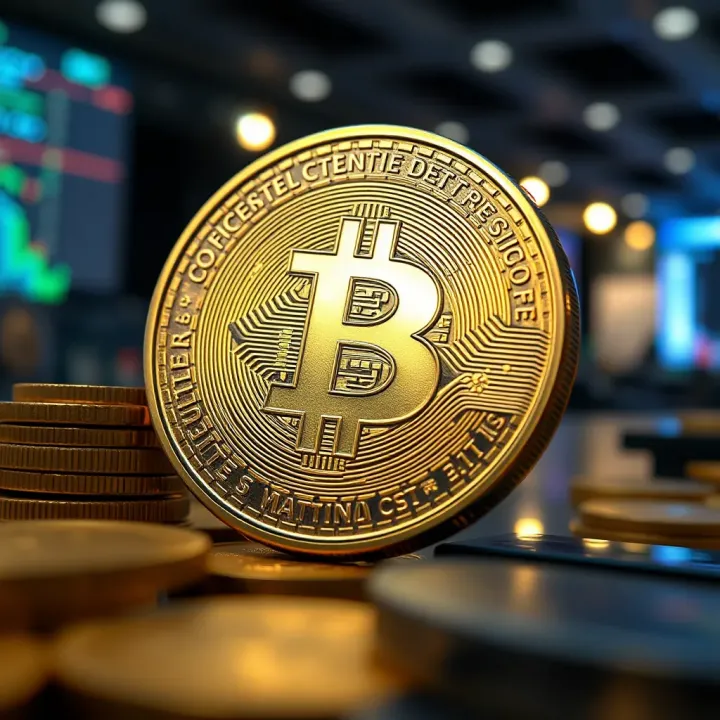
Retail investors in Pakistan often enter crypto markets drawn by quick gains. During crashes, many lose significant sums, sometimes wiping out their entire savings. Institutional investors, while larger and more experienced, also suffer—particularly funds with aggressive crypto exposure. For instance, when the 2021 crash hit, some local traders faced losses running into several lakhs, affecting their buying power and willingness to re-enter the market.
These losses shake confidence deeply. Retail investors tend to exit the market fearing further downturns, which slows liquidity and price recovery. Institutions may reduce their exposure or delay investment plans. This cautious behaviour often extends beyond cryptocurrencies to other investment avenues, temporarily stunting financial market activity.
Trust in crypto assets largely depends on perceived stability and transparency. Market crashes expose the volatility and sometimes manipulation in these markets, leading many to question the integrity of digital currencies. In Pakistan, where regulatory frameworks are still evolving, lack of clear investor protection mechanisms fuels scepticism.
Moreover, scams and sudden platform shutdowns during downturns worsen trust issues. Cases like Ponzi schemes disguised as crypto investment firms cause lasting damage. Investors tend to prefer traditional instruments or wait for stronger regulation before placing money back in crypto, slowing down adoption.
Cryptocurrencies have found a growing user base in Pakistan, especially among young, tech-savvy individuals. Despite being unregulated officially, many use crypto for investment and cross-border money transfers. However, crashes highlight the risks involved, prompting users to become more cautious. This caution might delay mainstream acceptance but also encourages calls for proper regulatory oversight.
This hesitation influences fintech innovation. Entrepreneurs rely on a stable environment to launch new crypto-based products. Volatile markets and shaken investor trust mean startups may find it harder to attract funding or customers.
The crypto crash impacts fintech startups focusing on blockchain solutions and digital remittances. Pakistan largely depends on overseas remittances, a sector where blockchain promises lower costs and faster transfers. However, market instability can deter fintechs from integrating crypto payment options, fearing customer losses or regulatory pushback.
Still, some companies are adjusting by offering hybrid models—combining traditional remittance services with crypto gateways to balance risk and efficiency. For remitters, cautious use of crypto helps reduce fees, but the crash reminds everyone about solid risk management when dealing with fast-changing currencies.
The crypto market crash shapes not only immediate investor outcomes but also the trajectory of Pakistan’s digital economy, calling for more robust regulations and informed participation.
Understanding these effects is essential for anyone involved in Pakistani financial markets—whether investing, policy-making, or developing fintech solutions.
Understanding recent crashes in the cryptocurrency market offers valuable insights into what triggers sharp declines and how markets respond. These examples highlight how external shocks, policy decisions, and investor behaviour can quickly reshape market dynamics. For traders, brokers, and investors in Pakistan, learning from past crashes helps anticipate risks and make informed decisions.
The 2021-2022 crash marked one of the most significant corrections in crypto history. After hitting all-time highs early in 2021, key assets like Bitcoin and Ethereum lost over 50% of their value by mid-2022. This downturn stemmed from a mix of factors: soaring inflation forcing global central banks to tighten monetary policies, exacerbated by uncertainties over crypto regulations worldwide. The suddenness of the crash shocked many retail investors who entered during the bull run, exposing the risks in an already volatile market.
For Pakistan’s investors, that period demonstrated how global financial conditions could rapidly affect local crypto portfolios. With remittance flows often routed through cryptocurrencies or related fintech channels, the crash had wider consequences beyond just trading losses.
Several recent crashes also coincided with regulatory clampdowns. For example, China’s continued banning of crypto mining and trading activities in 2021 caused sharp sell-offs as miners shut down and investors panicked. Closer scrutiny from authorities worldwide created uncertainty, with new taxation, AML (Anti-Money Laundering), and KYC (Know Your Customer) rules causing sudden market hesitancy.
Additionally, instances of market manipulation—like wash trading and pump-and-dump schemes—have undermined investor trust and triggered sharp price declines. The fallout teaches that weak market oversight allows unscrupulous actors to exploit volatility, harming ordinary investors.
Despite heavy losses, the crypto market has shown signs of resilience after crashes. Many coins and tokens eventually recovered as investor confidence returned and innovations like DeFi (Decentralised Finance) and NFTs (Non-Fungible Tokens) attracted fresh interest. This resilience underlines the importance of a long-term perspective, especially for Pakistani investors trying to weather the inherent waves of crypto volatility.
Understanding resilience helps traders focus on fundamentals and avoid emotional decisions during periods of panic.
Past crashes underline why better investor awareness is vital. Many newcomers lost money due to a lack of understanding about risks, leverage, and market mechanics. Educating investors on how market cycles work, reading charts, recognising scams, and following regulatory updates can reduce panic selling and poor choices.
In Pakistan, spreading crypto education through seminars, online courses, and media can protect a growing base of retail investors. Robust education fosters a more stable market environment by cultivating cautious, informed participation rather than speculative frenzy.
Learning from historic market crashes is not just about avoiding losses but building a stronger foundation for sustainable crypto investment strategies.
The 2021-22 downturn showed how global inflation and monetary tightening impact crypto markets.
Regulatory actions worldwide can trigger sharp price falls by creating uncertainty.
Market manipulation remains a practical threat, especially in lightly regulated spaces.
Market resilience means recoveries are possible, reinforcing the benefit of patience.
Investor education helps reduce panic-driven behaviour and scam risks.
Together, these lessons offer Pakistani investors and market participants practical guidance amid the unpredictability of cryptocurrency trading.
Regulation of cryptocurrencies plays a key role in shaping market behaviour, protecting investors, and maintaining economic stability. For Pakistan, with its growing digital economy and expanding crypto user base, clear regulatory policies help prevent misuse and build trust. Globally, regulation varies widely, affecting how investors and institutions engage with crypto. Understanding these differences is crucial for Pakistani traders, brokers, and analysts navigating this market.
The State Bank of Pakistan (SBP) has taken a cautious position on cryptocurrencies, discouraging their use as legal tender. SBP has repeatedly stressed that cryptocurrencies like Bitcoin and Ethereum are not legal currencies in Pakistan and warned banks and financial institutions against facilitating transactions involving these assets. This stance reflects concerns about volatility, security risks, and potential misuse for money laundering.
Still, the SBP recognises the underlying blockchain technology’s potential to transform financial services. Their focus remains on exploring regulated digital currencies, such as central bank digital currencies (CBDCs), which offer greater control and stability. This approach tries to strike a balance between innovation and risk mitigation in Pakistan's financial sector.
Beyond SBP warnings, Pakistani financial authorities have introduced guidelines to control crypto activities. The Federal Investigation Agency (FIA) actively monitors suspicious transactions linked to crypto exchanges and has advised caution to investors engaging in unregulated platforms. Efforts to collaborate with international bodies aim to curb illicit financial flows.
At the same time, the Securities and Exchange Commission of Pakistan (SECP) is examining regulatory frameworks to oversee digital assets more closely, in line with global trends. These steps help protect investors while fostering a safer environment for fintech startups and services dealing with cryptocurrencies.
Globally, regulation ranges from strict bans to permissive rules depending on the country’s risk appetite and economic goals. Countries like China have enforced outright bans on crypto trading and mining, citing financial stability and environmental concerns. Their hardline approach aims to eliminate risks but often pushes some activities underground.
On the other hand, jurisdictions such as Switzerland and Singapore offer clear frameworks encouraging crypto innovation alongside investor protections. These lenient yet structured regimes attract institutional investments and new blockchain projects, promoting healthier market growth.
Regulatory clarity generally improves market stability, as investors feel more secure in understanding the legal boundaries. In countries with well-defined rules, price swings tend to be less erratic since scams and manipulations face tougher enforcement. Conversely, imprecise or patchy regulation often leads to speculation-driven bubbles followed by severe crashes.
For Pakistani investors, observing how different regulatory models work abroad provides valuable lessons. Balanced policies that enable innovation while controlling risks can help develop a resilient crypto market locally without exposing participants to extreme losses or fraudulent schemes.
Clear and consistent regulation across jurisdictions acts like a stabilising backbone for cryptocurrencies, encouraging genuine market growth and protecting investors from unnecessary risks.
The crypto market’s volatile nature makes understanding its recovery prospects and future trends essential for anyone involved. After a crash, knowing how to respond and what to expect can protect investments and spot new opportunities. For Pakistani traders and investors, this knowledge is especially critical given the ongoing regulatory adjustments and growing fintech innovation in the country.
Diversification of assets helps reduce risks by spreading investments across different cryptocurrencies and other asset classes. For example, instead of putting all capital into Bitcoin alone, one could allocate funds to Ethereum, Binance Coin, and even traditional assets like stocks or commodities. This approach cushions losses if one sector falters. Pakistani investors using platforms like Binance or local exchanges benefit from diversification, especially during high volatility when some tokens crash while others hold steady or even rise.
Another crucial approach is risk management techniques that include setting stop-loss orders, limiting trade sizes, and regularly reviewing portfolio exposure. A stop-loss order, for instance, automatically sells an asset when its price falls below a predetermined level, capping further losses. This approach is vital given the unpredictable swings seen in crypto markets. Pakistani investors can also combine fundamental analysis with technical indicators to decide when to enter or exit trades, helping to avoid panic selling during downturns.
The growth of blockchain applications beyond cryptocurrencies is gaining traction globally and in Pakistan. Blockchain is being used for supply chain tracking, land registry digitisation, and even improving cross-border remittances — all areas that reduce friction and promote transparency. For example, some Pakistani startups are experimenting with blockchain to streamline microfinance or secure medical records. These practical applications encourage investor confidence and can stabilise crypto markets indirectly by broadening blockchain’s reach.
Another trend is increasing institutional involvement in the crypto space. Banks, hedge funds, and asset management firms are gradually dipping into crypto assets, which brings more liquidity and maturity to the market. Big players like Grayscale and Fidelity have created crypto investment products, enticing mainstream investors. For Pakistani institutions, partnerships or investment in blockchain-focused funds could offer new avenues for growth and diversification, benefiting the overall market stability.
Handling crypto downturns with sound strategies and keeping an eye on emerging trends can help investors in Pakistan navigate volatility and build resilience for the future.
Overall, understanding these recovery prospects and trends ensures that investors, brokers, and analysts stay well-informed and better prepared for the shifting dynamics of crypto markets.
Explore Alpha Capital's role in financial markets 📈, its strategies to beat average returns, key risks, and how Pakistani investors can use it effectively.

Explore Audacity Capital's impact on Pakistan's economy 🇵🇰, its unique investment strategies, and its role in shaping both local and global markets 📈.
Explore how Pakistan’s agricultural policies impact farmers and the economy 🌾. Discover challenges, initiatives, and ways to strengthen rural growth 🚜.
Explore how inflation impacts Pakistan's economy 🇵🇰, influencing prices, sectors, and policies that shape daily life and economic stability 📊.
Based on 9 reviews