
BTCUSD Forecast: Market Trends & Analysis
📈 Understand BTCUSD trends with in-depth market analysis, technical insights, risks, and strategies tailored for Pakistan’s economic conditions and global factors influencing Bitcoin.
Edited By
Benjamin Clark
Ethereum remains a central player in the cryptocurrency world, with its price in US dollars closely watched by traders, investors, and analysts alike. Its value sees frequent shifts due to several dynamic factors impacting the network and the broader economy.
At its core, Ethereum's price is influenced by the demand for its native token, Ether (ETH), which powers smart contracts and decentralised applications (dApps) on its blockchain. The ongoing transition to Ethereum 2.0, aimed at improving scalability and energy efficiency through Proof of Stake (PoS), plays a significant role in shaping market expectations. For instance, the move away from energy-intensive mining reduces network costs, potentially attracting more institutional interest.
External economic factors cannot be overlooked. Global trends like US dollar strength, inflation rates, and regulatory announcements have made sudden impacts on Ethereum’s valuation. The introduction of stricter regulations in key markets such as the US or China has, in the past, caused immediate price reactions. Meanwhile, international events affecting fiat currencies can either drive or dampen investment flows into cryptocurrencies.
Technological upgrades apart, market fundamentals including liquidity, trading volume, and network activity offer concrete indicators. Higher activity on the Ethereum network, evidenced by daily transaction count and DeFi usage, often signals stronger demand. Conversely, extended periods of low activity can precede price dips.
For investors and traders, monitoring a combination of on-chain data, macroeconomic trends, and technological rollouts is vital to gauge potential price trajectories for ETH.
Key points impacting Ethereum price:
Ethereum 2.0 rollout progress and its adoption rate
Federal Reserve interest rate changes influencing investment appetite
Regulatory developments in major jurisdictions
Growth in DeFi, NFTs, and enterprise use of Ethereum
Market sentiment shaped by crypto exchange activities
Understanding these factors helps stakeholders manoeuvre through volatility and identify long-term trends rather than react to short-term noise. The coming years will test Ethereum’s resilience as new competitors emerge and global conditions evolve.
This analysis sets the stage for a detailed look at Ethereum’s price trajectory by blending technical factors with economic realities, offering readers a clear grasp of what lies ahead in ETH valuation.
Grasping Ethereum and its market dynamics is key for anyone aiming to predict its price movements accurately. Understanding the technical aspects and historical behaviour of Ethereum helps investors, traders, and analysts gauge potential risks and opportunities. For instance, knowing how Ethereum’s upgrades influence demand can guide more informed decisions, especially in a market as volatile as crypto.
Ethereum is not just a cryptocurrency; it is a decentralized blockchain platform that enables developers to build smart contracts and decentralized applications (dApps). Unlike Bitcoin, which focuses mainly on being digital money, Ethereum’s infrastructure supports a wide variety of programmable transactions and services. This flexibility has turned Ethereum into the backbone of many innovative sectors like decentralised finance (DeFi) and non-fungible tokens (NFTs), both of which heavily impact its market value.
Ether (ETH) is the currency used within Ethereum’s network to pay for transaction fees and computational services. It serves as the incentive for miners (or validators, after Ethereum’s proof-of-stake transition) and is the asset traded on exchanges against USD and other currencies. The demand for Ether rises with more activity on the network — for example, when NFT sales spike, more ETH changes hands, potentially influencing its price in USD.
Ethereum’s price journey reflects its growing adoption and technological progress. It started at just a few dollars during its 2015 launch and surged to over $4,000 at its peak in 2021. These milestones often coincide with major network updates or broader market rallies, such as the bull run driven by increased DeFi projects in 2020. Tracking these price movements provides valuable insight into how events affect investor confidence and market hype.
The cryptocurrency market experiences regular cycles of rapid rises followed by corrections. Ethereum, being a major player, is no stranger to such volatility. For example, after its 2021 peak, ETH’s price corrected sharply alongside Bitcoin’s downturn. Recognising these cycles helps investors prepare for potential dips and avoid panic selling. Understanding corrections also aids in spotting buying opportunities when prices retreat from unsustainable highs.
Knowing Ethereum’s fundamentals and past behaviour isn’t just academic; it directly helps traders and investors to make smarter, timely decisions in the fast-moving crypto markets.
This knowledge acts as a foundation for more detailed price predictions, helping you navigate Ethereum’s complexity with confidence.
Understanding what drives Ethereum’s price is essential for traders, investors, and analysts aiming to navigate this volatile market effectively. Ethereum’s value doesn't just move randomly; it reacts to a mix of technological innovations, investor psychology, and regulatory changes. Focusing on these factors helps make sense of price spikes or drops and offers clues about future trends.
The Ethereum 2.0 upgrade marks a significant shift in the platform's infrastructure. Its most talked-about feature is the move from a proof-of-work (PoW) to a proof-of-stake (PoS) consensus mechanism. This change reduces electricity consumption drastically, which not only addresses environmental concerns but also lowers operational costs for miners and validators. As a result, Ethereum’s sustainability and efficiency improve, making it more attractive to investors looking for long-term value.
Besides PoS, Ethereum 2.0 promises faster transaction processing and better scalability. These improvements help handle more users without the network becoming slow or congested. For example, earlier periods of high network activity led to exorbitant gas fees, discouraging smaller investors. With Ethereum 2.0, the expected scaling benefits aim to bring transaction costs down, encouraging wider adoption.
Scaling solutions are another key technological factor. Layer-2 solutions like Optimistic Rollups and zk-Rollups operate on top of Ethereum’s base layer, processing transactions off-chain and then recording the results on the main chain. This approach unburdens the network and speeds up transaction confirmations substantially. Network upgrades targeting these improvements have practical value: they reduce wait times and fees, which can push more users towards Ethereum, potentially driving up its price.
Institutional investments have become a powerful force in Ethereum’s market behaviour. Large players such as hedge funds, pension funds, and tech firms buying Ether add legitimacy and liquidity to the market. For instance, Grayscale’s Ethereum Trust allows traditional investors in the US and beyond to gain exposure without handling crypto directly. This increase in institutional ownership can stabilise prices during turbulent periods, but may also lead to sharp moves if big players decide to adjust their holdings quickly.
Social media and news have a pronounced effect, especially in Pakistan where online discussions around crypto have surged. Positive developments like partnerships, new DApps, or endorsements from crypto influencers can spark buying frenzies. On the flip side, negative news—such as exchange hacks or regulatory warnings—often triggers sharp sell-offs. Platforms like Twitter and Telegram serve as real-time sentiment indicators, making it crucial for investors to stay alert to these channels.
Global regulatory decisions shape Ethereum’s acceptance and usage. Some countries have embraced crypto with clear guidelines, fostering investor confidence, while others have imposed bans or heavy restrictions that discourage participation. For example, recent steps by the US Securities and Exchange Commission (SEC) targeting crypto projects can influence Ethereum’s price due to worries over legal clarity.
In Pakistan, the State Bank of Pakistan and the Securities and Exchange Commission have maintained a cautious stance. While owning and trading cryptocurrencies is not illegal, there is no formal framework regulating exchanges or protecting investors. This uncertainty affects Pakistani investors’ confidence and limits mainstream adoption. Still, many use peer-to-peer platforms and international exchanges. Regulatory shifts in Pakistan itself could impact demand for Ethereum locally, affecting price indirectly through changes in market participation.
Factors like technology upgrades, market mood, and regulations do not act in isolation. Their combined effects shape Ethereum's price, so staying updated helps you respond wisely to market changes.
Understanding price predictions and forecasts for Ethereum in USD helps investors make informed decisions amid a volatile crypto market. Predictive insights offer clarity on potential price movements based on expert analysis and technical data, which is especially important given Ethereum’s role in DeFi and NFTs. By analysing forecasts, traders can better navigate short-term fluctuations and position themselves for long-term growth.
Short-term forecasts usually cover weeks to a few months and focus on market sentiment, current events, and immediate technical signals. For instance, during a major protocol upgrade or market rally, analysts may predict a price surge. These forecasts help traders decide entry and exit points to capitalise on quick price swings. However, short-term outlooks can be affected by sudden regulation news or global economic shifts, so they require active monitoring.
Long-term outlooks, on the other hand, consider broader trends such as Ethereum’s network adoption, technological upgrades like Ethereum 2.0, and global economic conditions. Experts might project prices for years ahead, factoring in demand for smart contracts and DeFi applications. Investors aiming for portfolio growth often rely on these extended forecasts to hold positions despite short-term jitters. For example, some analysts foresee Ethereum reaching new highs over the next five years as blockchain use cases expand.
Chart patterns and indicators remain popular tools traders use to identify market trends and possible reversals. Common patterns such as head and shoulders, double tops, or flags can suggest upcoming price movements. Indicators like the Relative Strength Index (RSI) or Moving Average Convergence Divergence (MACD) help measure momentum and signal when Ethereum might be overbought or oversold. These tools offer a visual grasp of market psychology that supplements fundamental analysis.
Relevance of on-chain data has grown as it delivers real-time insights directly from the Ethereum blockchain. Metrics like active addresses, transaction volumes, and gas fees reflect actual network usage and investor interest. Analysts watch these indicators to gauge health and predict price trends beyond what charts can show. For instance, a rise in large wallet holdings might signal strong investor confidence, while sudden drops in activity could hint at pullbacks.
Combining expert forecasts with technical indicators and on-chain data equips investors with a well-rounded view to approach Ethereum's price movements strategically, especially in a rapidly evolving market.
This blend of prediction and analysis is crucial for anyone looking to understand where Ethereum’s USD price could be heading in the coming years.
Ethereum's price in USD doesn't move in isolation; it reacts to external economic factors that shape global and local financial conditions. These include worldwide inflation trends, the performance of traditional financial markets, and currency exchange rates, especially between the Pakistani rupee (PKR) and the US dollar (USD). Understanding these helps investors gauge when Ethereum might face pressure or receive boost from broader economic forces.
Inflation erodes the purchasing power of fiat currencies like the USD and PKR. When inflation runs high, investors often turn to assets perceived as stores of value, including cryptocurrencies such as Ethereum. However, Ethereum’s reaction to inflation is mixed. Inflation boosts demand for Ethereum as a hedge, but rapid inflation can also spark economic uncertainty leading to sell-offs in risk assets, including crypto.
For example, when inflation in the US surged in 2022, Ethereum initially saw price spikes due to its appeal as a non-traditional asset. But as the Federal Reserve raised interest rates aggressively, investor sentiment shifted towards safer assets, causing Ethereum's price to dip. This shows how inflation alone doesn’t dictate crypto prices; accompanying monetary policies and investor confidence also weigh heavily.
Ethereum’s price correlates to some extent with traditional stock markets, mainly because institutional investors treat crypto as part of their wider portfolio. During bullish phases in equity markets like the Pakistan Stock Exchange (PSX) or Wall Street, demand for Ethereum can increase as investors seek higher returns. Conversely, a stock market crash or economic recession often triggers sell-offs in risk assets, including cryptocurrencies.
Still, Ethereum does not fully mirror traditional markets. It often shows sharp volatility independent of stocks, reflecting its unique market dynamics and investor base. Hence, tracking traditional markets alongside Ethereum helps in anticipating possible price moves but cannot predict them exactly.
The PKR/USD exchange rate significantly influences Ethereum trading for Pakistani investors. Since Ethereum prices on global platforms are quoted in USD, a depreciation of the rupee means investors need more PKR to buy the same amount of Ethereum. For instance, when the rupee fell from Rs 150 to Rs 280 per USD over recent years, Ethereum's cost in PKR more than doubled even without major USD price changes.
This often leads to local price volatility; sometimes, Ethereum's USD price might be stable or falling while Pakistani investors still face rising costs due to the weakening rupee. Hence, anyone investing in crypto from Pakistan should monitor forex rates closely alongside Ethereum’s USD price.
Foreign exchange trends shape overall demand for cryptocurrency in Pakistan and beyond. A stronger USD globally often puts downward pressure on cryptocurrencies priced in dollars as they become costlier for foreign investors holding weaker currencies.
Similarly, sudden shifts in major currency pairs affect liquidity in crypto markets. For example, if global forex markets are volatile due to geopolitical tensions, investors might pull back from uncertain assets like Ethereum, causing price dips. On the other hand, stabilising forex conditions can encourage investment flows into cryptocurrencies.
Keeping an eye on economic indicators such as inflation rates, stock market trends, and currency exchange movements can offer practical insights for anticipating Ethereum's price behaviour in USD, especially for investors operating from Pakistan.
Understanding these external economic factors alongside Ethereum's own fundamentals can help traders and investors make better timing and allocation decisions.
Understanding the risks and opportunities related to Ethereum investment is key for Pakistani investors, especially given the unique economic and regulatory environment. Ethereum’s price volatility and the fast-evolving blockchain ecosystem mean that investors must weigh potential gains against possible losses carefully. This section highlights crucial risks like price swings and market crashes while presenting promising avenues like Decentralised Finance (DeFi) and Non-Fungible Tokens (NFTs), which can significantly influence Ethereum demand.
Ethereum’s price can change rapidly due to global events, technological upgrades, or shifts in investor sentiment. For Pakistani investors, sudden moves in Ethereum’s USD price create challenges, especially when converting to rupees amid rupee-dollar fluctuations. Managing this volatility requires strategies such as setting stop-loss orders on trading platforms or diversifying investments across different asset types. Keeping an eye on global crypto news alongside local economic factors can help investors anticipate short-term price moves.
Like any crypto asset, Ethereum is subject to crash risks triggered by regulatory crackdowns, network failures, or sharp drops in market confidence. For example, tightening regulations in major markets like the US or China could lower demand and cause sharp declines. Pakistani investors should be prepared for such scenarios to avoid heavy losses. This means not investing more than they can afford to lose and regularly reviewing their portfolio’s exposure to Ethereum alongside other assets.
Ethereum powers most DeFi platforms that offer banking services without traditional intermediaries, such as borrowing, lending, or earning interest via smart contracts. This growing DeFi ecosystem increases demand for Ethereum’s network fuel, Ether, thereby potentially driving its price upward. For Pakistani investors, engaging with DeFi through trusted global platforms can provide exposure to innovative financial products, although it requires caution due to technical complexity and regulatory uncertainty.
Non-Fungible Tokens (NFTs) have created a new market for digital art, collectibles, and even virtual real estate, primarily using Ethereum’s blockchain. This novel use-case boosts Ether demand, as transactions require gas fees paid in Ether. Pakistani artists and entrepreneurs are also starting to explore NFTs, which may stimulate local adoption and interest in Ethereum. However, investors should recognise that NFT markets can be highly speculative and volatile, so measuring demand trends carefully is wise before committing significant funds.
Navigating Ethereum’s investment landscape requires balancing the sharp ups and downs with emerging opportunities like DeFi and NFTs that offer fresh avenues for growth. For Pakistani investors, staying informed, managing risk, and understanding these dynamics can help make better decisions in the years ahead.
Keeping a close eye on Ethereum’s price movements is critical for anyone looking to invest wisely. Price tracking helps you spot trends, seize opportunities, and avoid potential losses. Given the volatile nature of cryptocurrency markets, using trusted sources and tools is essential for gathering accurate information to base your decisions on.
Reliable platforms like Binance, Coinbase, and Kraken offer real-time Ethereum pricing, ensuring you get up-to-date data. Besides exchanges, market aggregators such as CoinMarketCap and CoinGecko provide comprehensive views with historical charts, trading volumes, and market capitalisation. These sources help you compare prices across platforms, reducing the risk of falling for inaccurate data or price manipulation.
In Pakistan, these resources allow you to check Ethereum’s value in USD while considering local currency exchange rates. Since the PKR-USD rate affects your investment’s real worth, being able to cross-reference prices via trustworthy sources keeps you informed and in control.
Mobile apps like Blockfolio and Crypto.com make tracking Ethereum prices convenient and on the go. They send alerts when prices hit your preset targets, helping you act quickly during rapid market swings. These apps often include news feeds and portfolio tracking features, offering a handy all-in-one solution.
Setting price alerts means you don’t have to watch charts continuously, which suits busy investors juggling multiple responsibilities. For example, if Ethereum crosses Rs 300,000 worth or drops by 10% in a day, you get notified instantly — allowing you to decide swiftly.
Putting all your money in Ethereum alone can be risky due to price fluctuations. Diversification spreads your investment among different assets—such as Bitcoin, other cryptocurrencies, or traditional stocks—to balance risk.
A balanced portfolio might look like 50% Ethereum, 30% Bitcoin, and 20% in equities or savings schemes. This approach cushions your investments against sudden falls in one asset. While Ethereum’s growth potential is strong, its volatility means diversification helps protect your capital over time.
Each investor has a different comfort level with losses. Knowing how much risk you can handle prevents emotional decisions during price drops. For instance, if you panic-sell when Ethereum dips, you could lock in losses instead of waiting for recovery.
Evaluate your financial situation and investment goals honestly. If you need quick liquidity or can’t afford significant losses, keep Ethereum investment smaller. Conversely, if you’re comfortable with ups and downs and aim for long-term gain, a larger stake might suit you.
Keeping your emotions in check and using data-driven strategies, like price alerts and diversification, are key to making profitable choices in Ethereum investment.
In summary, reliable price information and clear understanding of your investment profile guide smarter trading decisions. Using trusted exchanges, mobile tools, and sensible portfolio management helps you navigate Ethereum’s price changes with confidence and control.
📈 Understand BTCUSD trends with in-depth market analysis, technical insights, risks, and strategies tailored for Pakistan’s economic conditions and global factors influencing Bitcoin.
📉 Explore the USD/JPY forecast with insights on economic data, geopolitical events, and market trends affecting traders in Pakistan for smarter decisions.
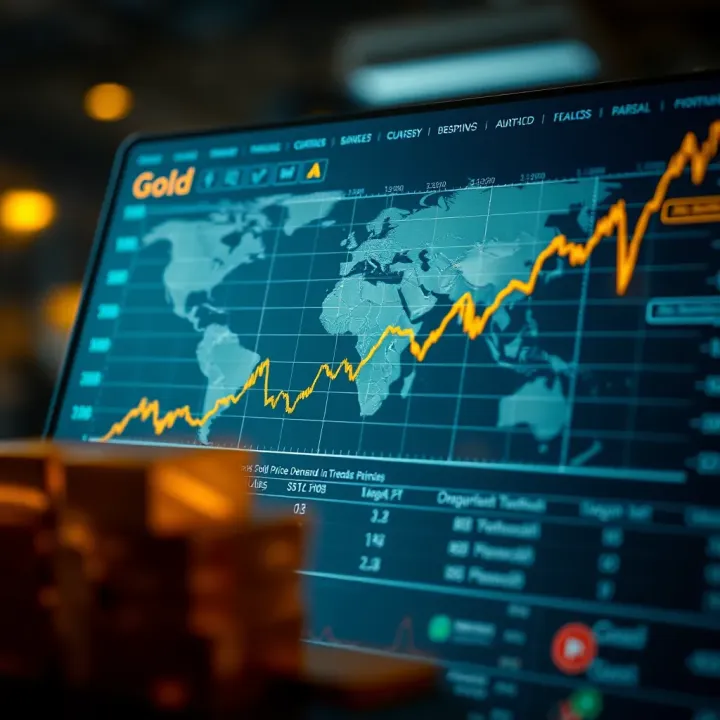
Explore detailed gold price trends in Pakistan, including influences like PKR fluctuations, global demand, and economic factors 📈. Get practical forecasts for savvy investments.
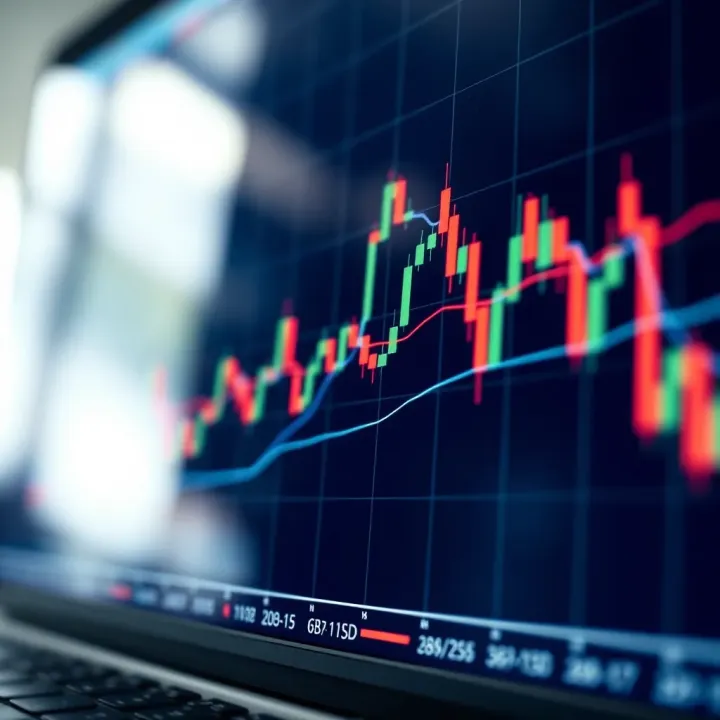
📈 Today's GBP/USD forecast highlights market trends, economic indicators, and how geopolitical events plus monetary policy affect this pair in Pakistan's trading scene.
Based on 6 reviews