
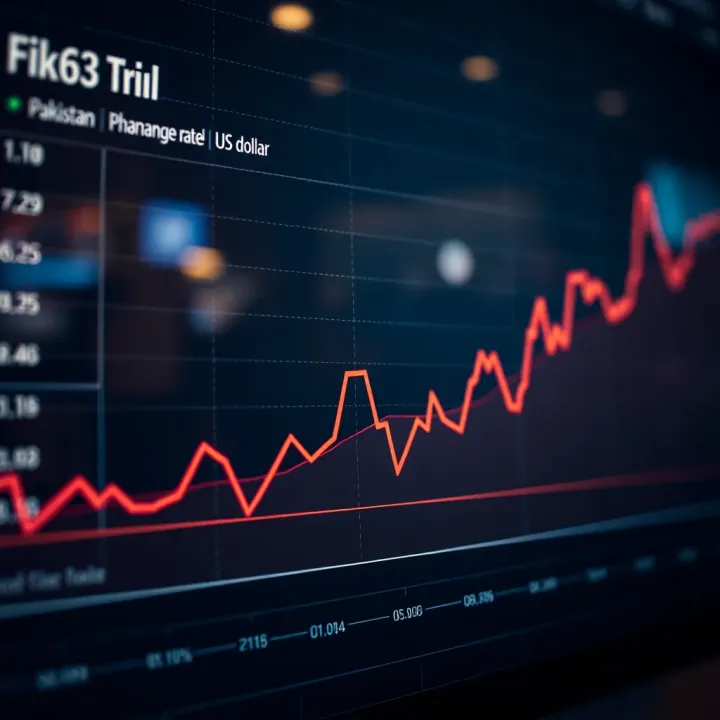
Dollar Forecast in Pakistan: Trends and Outlook
📈 Explore Pakistan rupee to US dollar trends, State Bank policies, and global factors shaping the exchange rate. Understand impact on businesses, consumers, and future outlook.
Edited By
Benjamin Price
Gold has always held a special place in Pakistan—from weddings to savings, and even as a hedge against economic uncertainty. Understanding how gold prices behave here isn’t just academic; it helps investors, traders, and consumers make informed decisions.
In Pakistan, gold price movements hinge on multiple factors like the rupee-dollar exchange rate, global gold trends, inflation rates, and local demand, especially during festive seasons like Eid and weddings. For example, when the Pakistani rupee weakens against the US dollar, gold prices in rupees generally climb, offering some relief to those holding gold as a store of value.
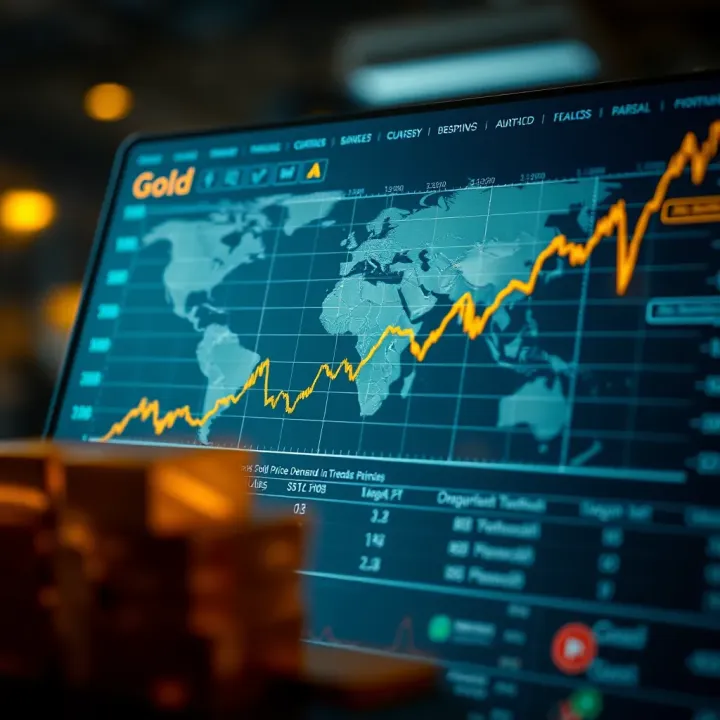
Historical data shows gold prices in Pakistan tend to peak around certain periods, such as wedding seasons and Eid, reflecting cultural buying patterns. Analysts also observe that sudden spikes in inflation or geopolitical tensions tend to push gold prices upwards, as people turn to safer assets.
In Pakistan’s context, monitoring currency fluctuations alongside global gold demand is key to forecasting price trends effectively.
For investors and brokers, knowing these dynamics is crucial. Gold isn’t just a commodity; it’s a strategic asset influenced by local economic policies, monetary decisions by the State Bank of Pakistan, and international market behaviour.
This article explores these factors with real-world examples, breaking down how each element impacts gold pricing. The goal is to help you navigate Pakistan’s gold market confidently, whether you are buying for investment or resale.
Understanding this landscape can help you anticipate price shifts and time your transactions better, avoiding common pitfalls due to sudden policy changes or market noise.
In the following sections, we'll examine gold price trends, the role of currency and inflation, and offer a forecast grounded in current market realities—helping you make smarter financial decisions around gold in Pakistan.
Understanding recent trends in Pakistan’s gold prices is vital for investors, traders, and analysts aiming to make informed decisions. Gold has traditionally been a trusted store of value here, especially amid economic uncertainty and currency fluctuations. Observing how prices have behaved recently helps one anticipate potential market movements, identify entry points, and evaluate risk.
Gold prices in Pakistan have shown significant fluctuations over the past decade. For example, during the period from 2018 to 2020, the price of gold surged sharply, crossing Rs 100,000 per 10 grams in late 2020. This rise coincided with global uncertainty triggered by the Covid-19 pandemic and local pressures like the rupee depreciation. Historically, gold tends to see price spikes during times of economic stress, such as periods of high inflation or rupee weakness.
Between 2015 and 2017, the prices were relatively stable around Rs 40,000 to Rs 50,000 per 10 grams. This stability was linked to a stronger rupee and lower international gold premiums. Yet, short bursts of volatility occurred due to seasonal demand spikes, especially around festive seasons like Eid and weddings, reflecting cultural factors influencing consumption patterns.
Local economic variables play a strong role in shaping gold price trends in Pakistan. The most influential among these is the Pakistani rupee's exchange rate against the US dollar. Since gold is priced internationally in dollars, any rupee depreciation directly raises gold prices locally. For instance, in FY 2022-23, the rupee lost approximately 35% of its value, pushing gold prices upward sharply.
Inflation rates also affect buying behaviour. When inflation rises, investors view gold as a hedge to protect their wealth. This often results in increased demand, which pulls prices higher. Furthermore, government policies such as customs duties on gold imports impact cost structures. In 2023, increases in import duties led to a short-term rise in domestic gold prices, affecting affordability for everyday buyers.
Watching recent gold price trends equips market participants with practical insights, helping them understand how international and local events combine to shape prices. This knowledge supports better timing for buying or selling gold, essential in Pakistan’s often volatile market.
Understanding the main factors that influence gold prices in Pakistan is vital for anyone involved in trading, investing, or analysing the market. These factors interact closely with both local economics and global trends, shaping the buying behaviour and pricing of gold within the country.
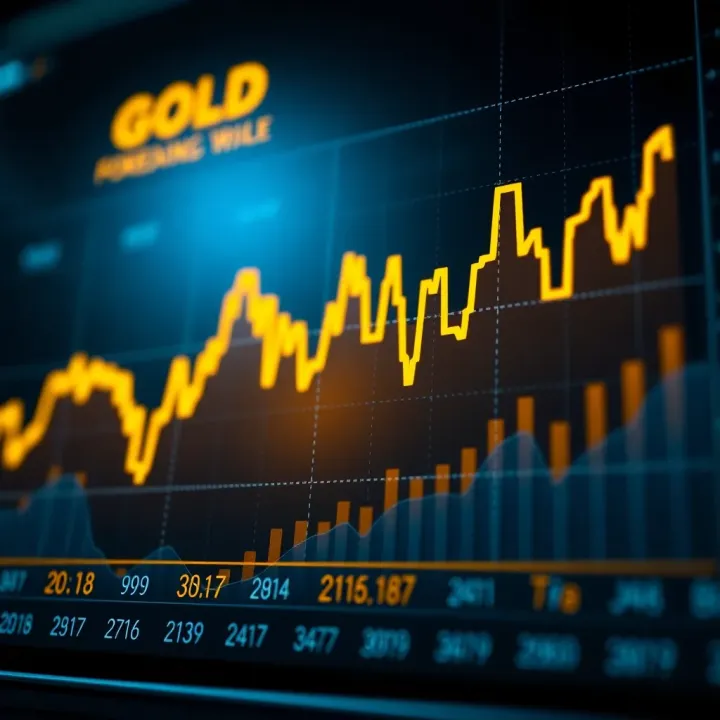
The Pakistani rupee's exchange rate against the US dollar has a direct impact on gold prices. Since gold is traded globally in USD, any depreciation of the rupee makes gold costlier in local currency terms. For example, when the rupee falls from Rs 280 to Rs 300 against the dollar, buyers in Pakistan need more rupees to purchase the same amount of gold, pushing prices upward. Historically, during periods of rupee volatility, Pakistani gold prices have shown more significant fluctuations than international rates. Traders and investors therefore keep a close eye on forex trends as part of their price forecasts.
Pakistan's gold market is loosely tied to the global gold market, which reacts to factors such as geopolitical tensions, US Federal Reserve policies, inflation rates, and changes in gold reserves by central banks. For instance, an increase in inflation expectations worldwide often drives investors toward gold as a safe asset, raising its global price. Since Pakistan imports much of its gold, international price rises regularly translate into higher local prices. Additionally, times of global uncertainty tend to boost gold demand, reflecting in the prices Pakistani consumers and traders face.
Gold demand in Pakistan comes mainly from the jewellery industry and individual investors seeking a hedge against inflation or currency risk. Cultural factors, including wedding seasons and festivals such as Eid, considerably swell jewellery demand, impacting price spikes locally. At the same time, gold coins and bars serve as investment vehicles, especially during economic uncertainty or when returns from financial markets are uncertain. Shifts in consumer preferences between physical jewellery and investment-grade gold influence overall demand and pricing behaviour in Pakistani markets.
Government regulations, including customs duties and taxes on gold imports, significantly affect its price. Pakistan imposes import duties and regulatory policies that can add to the landed cost of gold. Recently, changes in customs duty rates by the Federal Board of Revenue (FBR) have caused noticeable movements in gold prices. For example, an increase in customs duty can raise gold prices by hundreds of rupees per tola, triggering market reactions from traders and buyers alike. Understanding these policy shifts is essential for forecasting price trends and advising clients or stakeholders.
To sum up, keeping track of PKR exchange rates, global gold trends, local demand patterns, and government policies provides a comprehensive view of what drives gold prices in Pakistan. This knowledge equips traders, brokers, and investors with the edge needed to navigate the market effectively.
Forecasting gold prices in Pakistan matters because the metal holds a special place in both investment and cultural practices here. It isn't just about numbers on a screen; its price affects everything from wedding season buying to wealth preservation amid rupee volatility. For traders and investors, having a solid grip on short-term and long-term forecasts helps in planning entry and exit points realistically and with better timing.
In the near term, gold prices in Pakistan tend to move in response to fluctuations in the Pakistani Rupee (PKR) against the US dollar. For example, when PKR weakens sharply, demand for gold often spikes, pushing prices higher. Political uncertainties or unexpected monetary policy shifts by the State Bank of Pakistan (SBP) can cause short bursts of volatility. Normally, seasonal factors like Eid and wedding seasons also increase local demand, contributing to price hikes around those months. As of now, with inflation figures rising and the rupee showing signs of pressure, traders expect a slight upward trend in the next three to six months, assuming global gold prices remain stable.
Investors should keep an eye on global economic signals too, like US Federal Reserve policies and geopolitical tensions, since these can swiftly impact sentiment and gold’s allure as a safe haven. Concrete example: if tensions in the Middle East escalate, investors might flock to gold, thereby pushing Pakistan's gold prices higher shortly after.
Looking beyond the immediate months, Pakistan’s gold price trajectory is closely tied to broader economic trends. Persistent current account deficits, ongoing rupee depreciation, and inflationary pressures generally nudge gold prices upward over time. Moreover, government import duties and regulatory changes can alter premiums on local gold prices differently than global trends.
Long-term prospects also hinge on investment patterns in Pakistan’s growing middle class, where gold remains a favoured asset to protect purchasing power. For instance, if economic reforms manage to stabilise the currency and attract foreign investment, the demand-driven price surges might slow down. However, without fiscal discipline and control over inflation, gold will likely continue its role as a hedge, gradually increasing in value.
Monitoring economic indicators like SBP’s monetary policy, import policies, and inflation alongside global gold market shifts is key to anticipating Pakistan’s gold price moves accurately.
Understanding these short and long-term factors offers traders, brokers, and investors actionable insights to navigate Pakistan’s gold market with more confidence and precision.
Investing in gold has always been popular in Pakistan, especially as a hedge against inflation and currency fluctuations. However, anyone looking to put their money into gold should weigh several critical factors to ensure they get the best value for their investment. Understanding timing, risks, and alternatives can help investors make smarter choices in an often volatile market.
Timing matters a lot when buying gold. Prices often rise during times of economic uncertainty, such as when the Pakistani Rupee weakens against the US dollar or when inflation picks up. For example, during the spike in inflation in late 2022, gold prices saw a notable increase, making it less favourable to buy at that peak. Ideally, investors should watch exchange rate trends and inflation announcements to find reasonable entry points.
Also, Pakistan's gold market tends to see seasonal demand spikes around festivals like Eid and weddings, which can drive prices up temporarily. Buying before these peak periods can save investors from paying a premium. On the other hand, if you are investing for the long term, short-term price swings matter less, but knowing current market conditions still helps.
Gold investment in Pakistan carries some risks. Firstly, price volatility can lead to losses if an investor buys when prices are unusually high and then faces a drop due to currency appreciation or policy changes. For example, sudden changes in customs duties on imported gold jewellery can affect prices overnight.
Another risk is the prevalence of counterfeit or low-quality gold in some markets. Buyers must ensure certification and purity assurances from trusted jewellers or dealers, such as Karachi's main gold markets or reputable banks offering gold certificates.
Additionally, physical gold storage requires security measures, and theft remains a concern. Some investors underestimate the cost and trouble of safekeeping.
Not everyone needs to hold gold physically. Pakistan's financial market now offers alternatives that can suit different investment styles:
Gold Exchange-Traded Funds (ETFs): These allow investors to buy gold shares without physical possession. Local brokerage firms offer access to international gold ETFs, reducing concerns about safekeeping.
Digital Gold Platforms: Services linked with banks and FinTech apps like JazzCash offer digital gold investments, enabling easy purchase and sale with low minimum amounts.
Gold Certificates from Banks: Several Pakistani banks provide gold certificates, which represent ownership of gold without physical handling.
These alternatives reduce risks related to theft and verification and provide liquidity, but investors should still assess fees and market accessibility.
Whether you choose physical gold or alternatives, staying informed about market trends and government policies is key to making timely, secure investments in Pakistan’s gold market.
For both consumers and gold traders in Pakistan, understanding how to navigate the gold market is essential. Given the multiple factors influencing gold prices—from currency fluctuations to seasonal demand—practical advice helps in making informed decisions that can optimise gains and reduce risks.
Keeping an eye on gold price movements requires regular monitoring of local and global indicators. Consumers and traders should follow daily updates from trusted sources like Karachi Sarafa and Pakistan Mercantile Exchange (PMEX). Observing the Pakistan Rupee (PKR) exchange rate against the US dollar is crucial since depreciation often pushes gold prices higher. For example, when PKR lost value against USD in late 2023, gold prices rose noticeably within weeks.
Besides economic indicators, real-time market data on gold rates allows traders to spot trends and place timely orders. Tools like mobile apps from established jewellers or financial news platforms provide alerts on price shifts. Interpreting these changes involves understanding demand-supply dynamics; a sudden jump in prices during festive seasons often signals increased buying interest.
Traders should also watch international gold prices as they directly impact local rates. For instance, any volatility in the New York or London bullion markets due to geopolitical events can ripple through Karachi’s gold market quickly.
Seasonal events heavily sway gold demand in Pakistan. Weddings, Eid, and the month of Ramazan generally drive up buying activity, pushing prices up. Historically, the lead-up to Eid sees a surge in gold purchases, especially jewellery, which accounts for a large chunk of consumption.
Cultural practices like giving gold as gifts during special occasions mean demand spikes are predictable. For example, in Punjab and Sindh, holding large wedding ceremonies often means buying substantial amounts of gold within a short timeframe.
Traders and consumers can plan purchases outside these peak periods to avoid premium pricing. Conversely, sellers might choose these seasons to capitalise on higher demand by adjusting prices accordingly.
Monitoring these cycles empowers buyers and traders to time their actions smartly, reducing unnecessary costs and maximising returns.
📈 Explore Pakistan rupee to US dollar trends, State Bank policies, and global factors shaping the exchange rate. Understand impact on businesses, consumers, and future outlook.
📈 Get today’s gold price updates and key factors shaping Pakistan's market. Stay informed on trends, economic signals, and smart investment tips.
Stay updated with the latest XAU/USD gold price shifts📈, explore key global and local factors 🌏 affecting gold in Pakistan traders' market.

Discover gold price trends over five years 📈, exploring economic and geopolitical factors shaping investment choices and safety of this precious metal in Pakistan.
Based on 6 reviews