
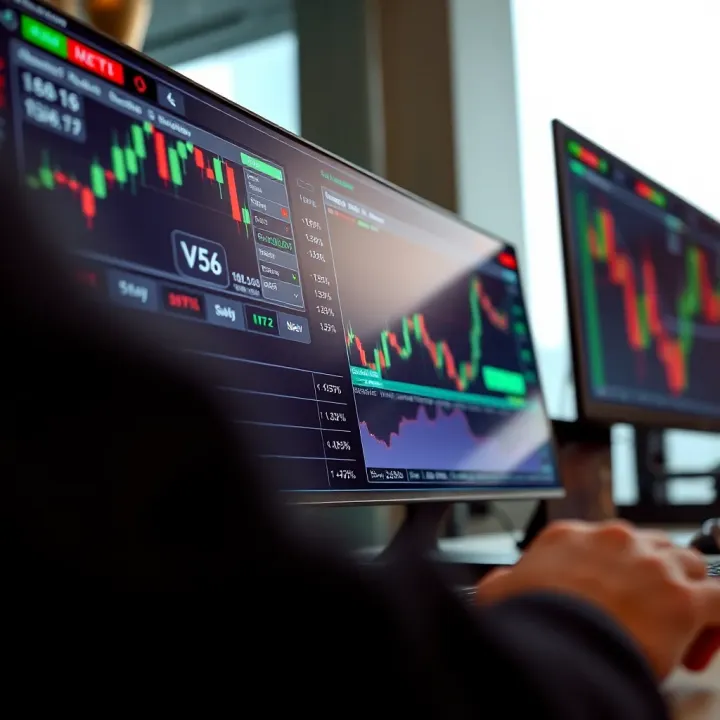
Best Trading Platforms for Beginners in Pakistan
Looking to start trading in Pakistan? Learn how to pick the best beginner-friendly platform with tips on fees, security, and support! 💰📊🔒
Edited By
Henry Lewis
Online trading has become an accessible avenue for many Pakistanis looking to enter the investment world. Simply put, it means buying and selling financial instruments such as stocks, commodities, currencies, or indices over the internet through brokerage platforms. Unlike traditional trading, which requires physical presence at an exchange or dealing through an agent, online trading lets you manage investments from your computer or mobile device.
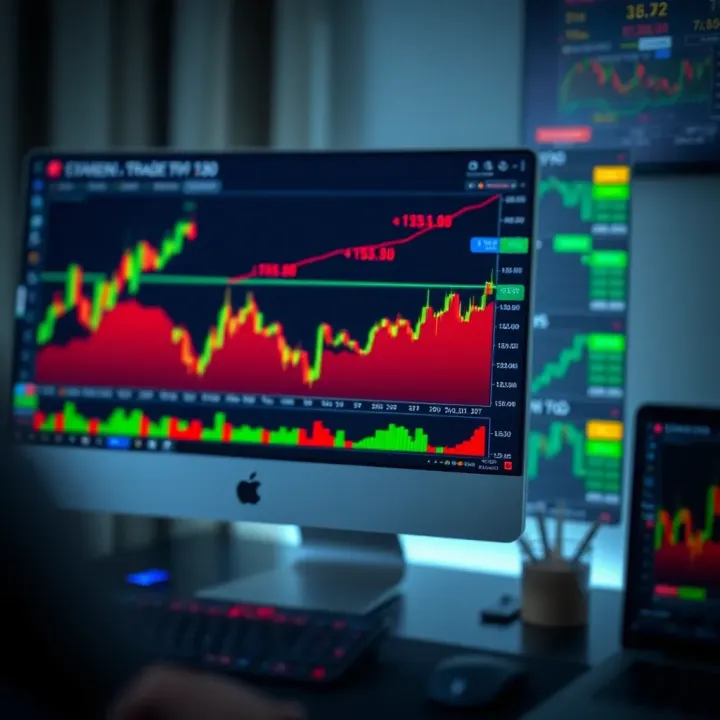
For beginners, understanding the essentials can save time, reduce risks, and build confidence. You'll need to select a reliable online trading platform approved by the Pakistan Stock Exchange (PSX) or authorised brokers with good reputations. Popular platforms often provide tools for charting, real-time market data, technical analysis, and quick order execution, crucial for making timely decisions.
Remember, online trading is not a shortcut to quick wealth; it demands proper knowledge, strategy, and patience.
Common products for novices in Pakistan include shares listed on PSX, foreign exchange (forex), and commodities like gold or oil derivatives. Starting with shares is often recommended because they're straightforward, regulated, and have ample educational resources.
Some beginner-friendly strategies include:
Buy and hold: Investing in solid companies and holding shares long term.
Dollar-cost averaging: Regularly buying small amounts to reduce impact of market volatility.
Technical analysis basics: Learning simple chart patterns to time entry and exit points.
Still, online trading involves risks like market volatility, platform outages, or scams. New traders should start small, use demo accounts when possible, and remain updated with Pakistan’s regulatory environment, including rules set by the Securities and Exchange Commission of Pakistan (SECP).
With the right basics, tools, and mindset, online trading can be a powerful channel for building wealth over time. The following sections explain key steps and practical advice specifically tailored for the Pakistani market.
Grasping the basics of online trading is essential for anyone stepping into financial markets, especially beginners in Pakistan. It helps you understand how trading works, what tools you'll need, and how different markets function. Without this foundation, it’s like trying to navigate a bazaar without knowing where the stalls are.
Online trading means buying and selling financial assets like shares, currencies, or commodities through internet-based platforms. Instead of physically visiting an exchange or broker’s office, you manage trades through your mobile, laptop, or desktop. This ease of access makes it especially popular in Pakistan, where digital penetration has increased steadily.
Traditional trading often involved physical paperwork, brokers making phone calls, and manual settlements. Online trading removes these steps by providing direct market access, faster order execution, and real-time updates. For example, a Karachi-based trader can buy shares listed on the Pakistan Stock Exchange (PSX) without visiting the broker’s office, saving time and reducing errors.
Stock markets are where companies list their shares to raise capital. Investors buy shares to own a portion of these companies. In Pakistan, the PSX is the main stock market, where shares of companies like Lucky Cement or Habib Bank Limited are actively traded. For a beginner, knowing the stock market’s role helps in picking investments and understanding price movements.
The foreign exchange (forex) market deals with buying and selling currencies. Traders profit by speculating on currency value fluctuations, such as the US dollar against the Pakistani rupee. Forex trading operates 24/5 globally, providing liquidity and numerous opportunities. Many local traders use platforms like MetaTrader with Pak Rupee pairs for trading.
Commodity markets involve trading physical goods like gold, oil, and agricultural products. For instance, Pakistanis often watch gold prices closely due to cultural importance and investment safety. Commodity trading provides diversification beyond stocks and currencies, allowing traders to benefit from global price trends in essential resources.
Cryptocurrency trading involves digital coins like Bitcoin, Ethereum, or local tokens. Though unregulated in Pakistan, many young investors participate via foreign platforms. Cryptos are known for high volatility and potential returns, but also come with risks such as scams and lack of legal protection. Beginners should approach cautiously and prefer demo accounts to practise.
Understanding each market's distinct features lets you choose where to trade wisely and avoid common pitfalls endemic to online trading environments.
By mastering these basics, you can navigate online trading scenes in Pakistan with confidence and realistic expectations.
Starting online trading requires using the right tools and choosing reliable platforms. These elements are crucial because they affect your trading efficiency, security, and overall experience. A good platform offers intuitive navigation and fast execution, which helps even beginners to avoid costly mistakes.
When selecting a trading platform, focus on security features, user experience, and available assets. A dependable platform must have strong encryption, two-factor authentication, and regulatory compliance. Also, check whether it provides real-time data and charting tools that help you analyse market trends effectively.
In Pakistan, popular platforms include MetaTrader 4 and 5, which many brokers adopt because of their robust tools and customisation options. Local brokers may also offer proprietary platforms tailored to the Pakistani market, sometimes supporting Urdu or simple user interfaces for new traders.
Trading accounts generally come in various types, such as demo, standard, and Islamic accounts. Demo accounts let you practise without risking real money, which is essential for newbies. Standard accounts require minimum deposits but offer full market access. Islamic accounts comply with Shariah law, making them popular among Pakistani Muslims.
Brokers are the middlemen between you and the markets. They execute your buy and sell orders and sometimes provide leverage, allowing you to trade with borrowed funds. In Pakistan, always check that your broker is registered with the Securities and Exchange Commission of Pakistan (SECP), ensuring they meet regulatory standards. This protects you from fraud and gives you legal recourse in case of disputes.
Choosing the right tools and brokers isn't just about convenience; it safeguards your investments and helps you grow as a confident trader.
Start with demo accounts on trusted platforms like MetaTrader or those offered by SECP-approved brokers, and gradually move to live accounts as you gain experience. Remember, the platform and broker you select will directly impact your trading success and risk management.
Basic trading strategies form the backbone of online trading, especially for beginners. Understanding these approaches helps traders make informed decisions rather than relying on luck. Applying effective techniques improves the chance of steady returns in markets, which can be volatile and unpredictable. Whether you focus on short-term trades or longer holds, grasping fundamental and technical analysis along with risk management is essential.
Fundamental analysis involves evaluating a company’s or asset’s intrinsic value by examining financial health, economic conditions, and industry trends. For example, a trader looking at stocks listed on the Pakistan Stock Exchange (PSX) might review earnings reports, sector performance, and government policies affecting that sector. This analysis helps in deciding if a stock is undervalued or overvalued, guiding long-term investment decisions.
Technical analysis, on the other hand, relies on historical price data and trading volume to predict future market movements. Traders use charts and tools like moving averages, Relative Strength Index (RSI), and candlestick patterns to identify trends and entry or exit points. A beginner using technical analysis might spot a breakout pattern on the KSE-100 index chart, signalling a good time to buy or sell quickly in response to market momentum.
Setting stop-loss orders is a practical way to limit losses in trading. It means specifying a price at which your position will automatically sell to avoid further decline. For instance, if you buy a stock at Rs 100, setting a stop-loss at Rs 90 caps your potential loss at 10 per cent. This discipline prevents emotional reactions during market swings and protects your capital.
Diversification and capital allocation help spread risk across various assets or sectors. Instead of putting all your money into one stock or commodity, dividing investment into different markets reduces vulnerability to unexpected shocks. A trader in Pakistan might allocate a portion to PSX equities, some to foreign currency trading through Forex, and a bit to gold or commodities. This way, if one segment underperforms, others may balance overall losses.
Trading without a clear strategy is like sailing without a map — you can end up anywhere, often at a loss. Using fundamental and technical analysis alongside risk controls gives you a clearer path towards your investment goals.
Having these basic strategies in your toolkit will improve your confidence and skill steadily as you start trading online.
Online trading offers great opportunities but comes with its own share of challenges and risks. Recognising these risks early on helps traders avoid common pitfalls and protect their investments. In the volatile markets of Pakistan and beyond, understanding these challenges is crucial to manage your portfolio smartly.
Market volatility refers to rapid and unpredictable price changes in financial markets. In Pakistan, stocks can swing wildly due to political developments, economic policies, or global events, making the market unpredictable. For example, a sudden shift in SBP’s policy rate or political instability can lead to sharp falls or rises in share prices. This volatility can lead to quick profits but also sudden losses, so traders must keep a close eye on market movements and avoid making rash decisions based on short-term fluctuations.
Emotional decision-making is another significant risk. When the market moves unexpectedly, it’s easy to panic or become greedy. For instance, during sudden price drops, some traders might sell off shares in haste, locking in losses instead of assessing the bigger picture. Similarly, overconfidence after profitable trades can lead to reckless risks. Managing emotions requires discipline—setting predefined stop-loss points and sticking to your trading plan helps avoid impulsive choices.
Fraudulent schemes pose a serious threat to online traders in Pakistan. Unscrupulous brokers or fake trading platforms often lure beginners with promises of guaranteed profits or insider tips. Cases of chancy crypto scams or fake trading apps have made headlines, causing losses worth millions of rupees. Always beware of schemes requiring upfront large deposits or promising unrealistic returns. It's essential to research brokers and platforms thoroughly before committing your funds.
Verifying broker licencing is the first line of defence. In Pakistan, licensed brokers must be registered with regulatory bodies like the Securities and Exchange Commission of Pakistan (SECP). Checking a broker’s credentials ensures they comply with legal standards and provide genuine services. Avoid brokers that do not provide transparent information about their registration or physical office address.
Using demo accounts for practice is a smart and risk-free way to build skills. Most reputable trading platforms offer demo accounts where you can trade with virtual money. This helps you understand market behaviours, test strategies, and get familiar with the platform without risking real capital. Practising on demo accounts lets beginners make mistakes and learn before investing actual money.
Careful attention to risks like volatility, emotional traps, and scams, combined with practical safeguards like broker verification and demo trading, sets the foundation for safer online trading.
Adopting these precautions empowers you to navigate the online trading world with greater confidence and control.
Navigating the regulatory and tax environment is essential for online traders in Pakistan. Knowing the rules not only keeps you on the right side of the law but also helps you avoid costly penalties. Plus, understanding tax obligations ensures you plan your finances smartly, setting realistic profit goals after accounting for taxes.
The Securities and Exchange Commission of Pakistan (SECP) is the main watchdog for online trading activities. It sets the rules and monitors brokers and trading platforms to protect investor interests. For example, SECP requires brokers to obtain licences and follow strict guidelines on disclosures and fairness. As a trader, verifying that your broker or platform is SECP-approved prevents falling victim to scams.
Pakistani regulations on online trading focus on transparency, investor protection, and market stability. Rules cover everything from minimum capital requirements for brokers to mandatory audits and reporting. Moreover, SECP enforces compliance with anti-money laundering laws, so traders must ensure transparency in their transactions. Ignoring these rules can lead to hefty fines or even legal action, which could jeopardise your investments.
When it comes to taxation, the Federal Board of Revenue (FBR) requires traders to declare their earnings from online trading activities. Income from capital gains, dividends, and profits must be reported in your annual tax return. Failing to file or under-reporting income can result in penalties and increased scrutiny in future tax years.
Several taxes apply to trading profits, including capital gains tax (CGT) and withholding tax, depending on the asset type and holding period. For instance, profits from stocks listed on the Pakistan Stock Exchange (PSX) are subject to CGT if shares are sold within a certain period. Keeping organised records of trades, broker statements, and receipts helps you accurately calculate taxable income and supports your filings in case of audit.
Staying updated on regulatory changes and tax laws can save you from unexpected headaches and protect your hard-earned money. Regularly consult authorised sources like SECP and FBR announcements to stay informed.
In short, solid grasp of Pakistan’s regulatory framework and tax requirements is not an option but a necessity for anyone serious about online trading. It builds trust, ensures compliance, and helps you keep more of your profits.
Starting your online trading journey can feel overwhelming without clear guidance. This section offers practical tips designed to build a strong foundation, helping you avoid costly mistakes and remain focused on steady progress. Taking realistic steps from the beginning ensures you stay grounded and grow your trading skills with confidence.
Avoiding unrealistic profit targets is critical for beginners. New traders often imagine quick, big returns from the very start — something that seldom happens. Setting modest, achievable goals like earning a small percentage monthly keeps you motivated and helps develop disciplined trading habits. For example, aiming for a steady 3–5% return per month is more manageable than expecting to double your investment within weeks. This approach prevents impulsive decisions driven by impatience or greed.
Learning over time means accepting that trading is a skill, not a get-rich-quick scheme. Profits come from experience, analysis, and adapting to market changes. You might face losses early on; that’s normal and part of the learning curve. Many successful traders keep a journal to track their trades and analyse mistakes. Over months or years, this habit sharpens decision-making and fosters consistent improvement. Remember, becoming comfortable with your trading style and platform usually takes time, so patience is key.
Local courses and seminars offer hands-on experience and valuable insights tailored to the Pakistani market. Organisations such as the Karachi Stock Exchange Education Centre or private investment firms frequently hold workshops covering practical topics like fundamental analysis, technical charts, and regulatory updates. Attending these events helps beginners ask questions, connect with experts, and build confidence in applying concepts to real trading.
Useful websites and forums provide ongoing support and updated knowledge. Websites focusing on Pakistan’s financial markets, like those for the State Bank of Pakistan or the Securities and Exchange Commission of Pakistan (SECP), offer official news and guidelines. Meanwhile, online forums and social media groups dedicated to Pakistani traders enable discussions on strategies, platform reviews, and risk management. Engaging with such communities keeps you informed about market trends and common pitfalls, making your trading practice more robust.
Setting achievable goals and committing to continuous learning can make your entry into online trading much smoother and less risky. Take small, informed steps and use local resources to build your skills effectively.
By following these practical tips, you build a solid base for your trading journey. Stay realistic, keep learning, and adapt with experience to navigate Pakistan’s trading markets wisely.
Looking to start trading in Pakistan? Learn how to pick the best beginner-friendly platform with tips on fees, security, and support! 💰📊🔒
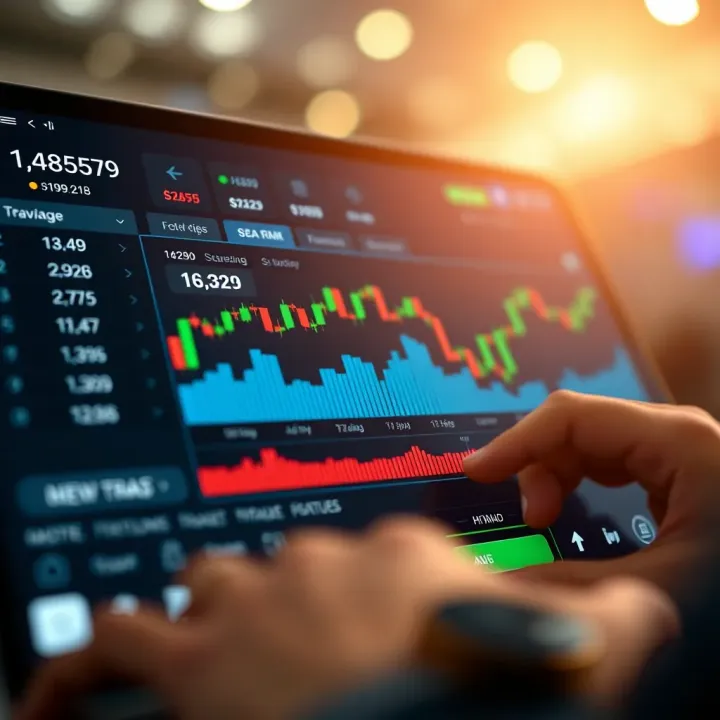
📈 New to trading in Pakistan? Discover how to pick the best app with tips on ease of use, security, and support to fit your trading goals.
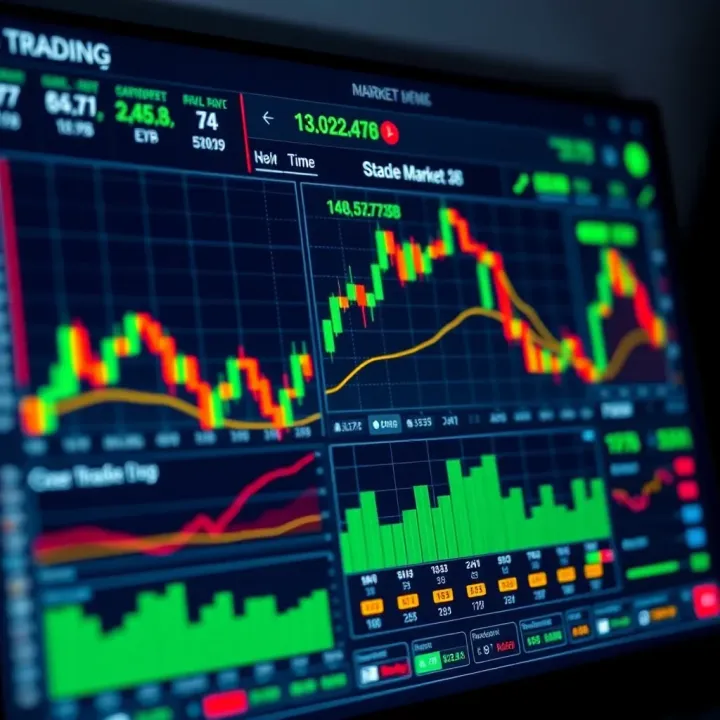
Discover top tips to choose the best online trading platform in Pakistan 📈. Learn about fees, security, features & ease of use to trade smartly today!
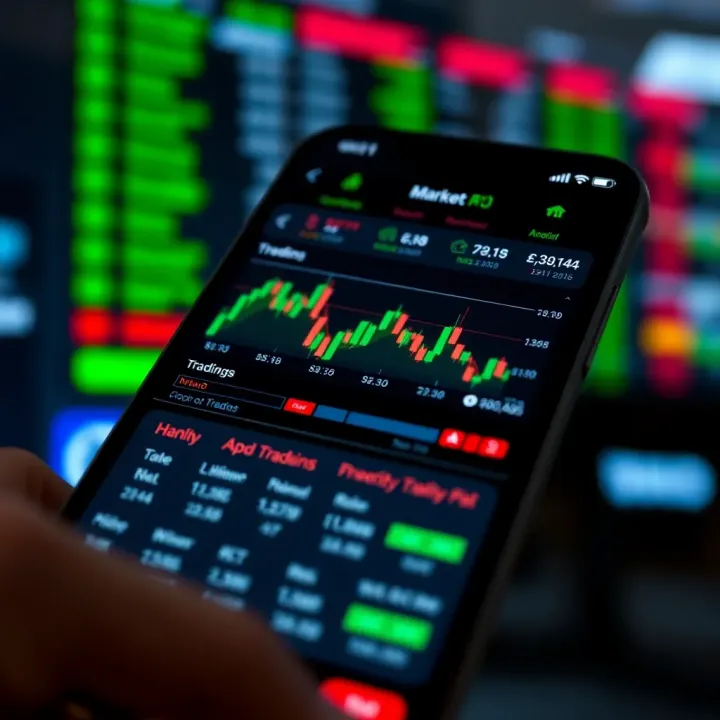
📈 Explore top online trading apps in Pakistan! Get tips on secure, efficient trading and find the best platform to match your style and market needs.
Based on 8 reviews