

Trading Without Investment: How to Start in Pakistan
💹 Discover ways to trade with little or no money upfront in Pakistan. Learn practical tips, risks, and legal factors before you start trading today!
Edited By
Isabella Hurst
Trading online without any initial investment sounds tempting, especially in Pakistan where access to capital can be a barrier for many aspiring traders. However, it is important to understand what this really entails, what options exist, and the limitations you should watch out for.
Several platforms offer free demo accounts to practice trading in stocks, forex, or cryptocurrencies. These demo accounts simulate real market conditions but use virtual money, so there’s no financial risk. For example, many brokers licensed by the Securities and Exchange Commission of Pakistan (SECP) provide demo accounts where you can try trading with Rs 1 million virtual balance. This allows traders to build skills and confidence before risking real funds.
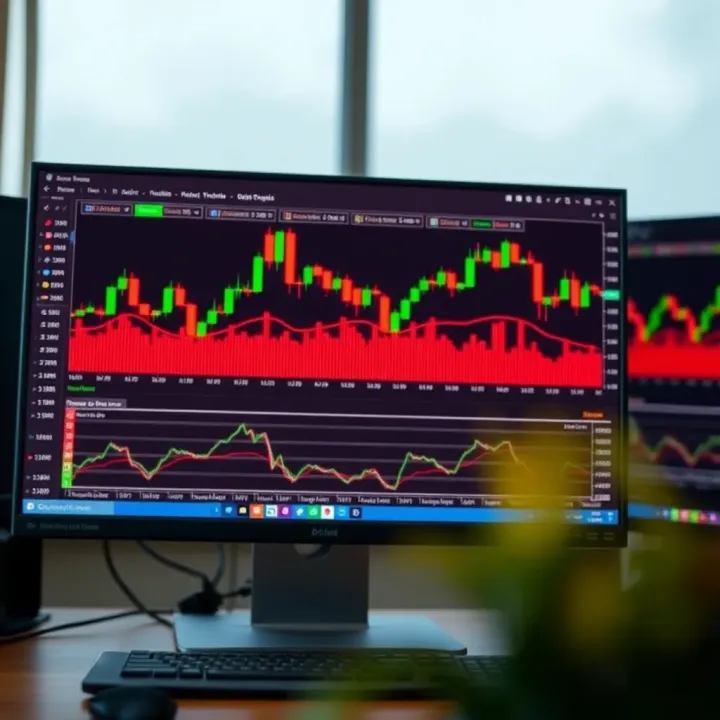
Another option gaining popularity is copy trading. Here, beginners follow experienced traders and automatically replicate their trades through platforms like eToro or social trading services offered by some brokers. This can be useful in Pakistan’s volatile markets, but you must choose reliable traders to follow, as poor decisions lead to losses. Copy trading itself usually requires some initial deposit, but some platforms offer trial periods or contests that involve no upfront payment.
Affiliate marketing linked to online trading brokers or platforms is a third possibility. By referring new clients, you earn commissions based on their trading activity. This does not require you to invest yourself, but success depends heavily on your marketing efforts and network.
It’s crucial to realise there isn’t a true method to make consistent profits from online trading without putting in some form of capital or effort. Beware of schemes promising guaranteed returns without investment; such offers are often scams.
In Pakistan, market awareness and regulatory compliance are also key. Always verify the broker or platform with SECP or the Federal Board of Revenue (FBR) for legitimacy. While online trading without direct investment may be used as a learning tool or side income strategy, it cannot replace the need for capital or risk management skills in the long run.
To sum up, the concept exists mainly in training, simulation, referral, or trial contexts. Real trading requires real money, and any shortcut claims need cautious scrutiny.
Online trading typically involves buying and selling assets like stocks, forex, or commodities through digital platforms. Usually, this requires some form of capital upfront, whether it's Rs 10,000 or Rs 1 lakh. However, the idea of online trading without investment refers to methods where you can engage in trading activities without putting your own money at risk. This concept appeals to those eager to explore financial markets but hesitant or unable to commit funds initially.
Understanding what trading without investment entails is crucial for anyone planning to enter these markets. It provides a safe environment to learn and develop skills before risking real capital. For example, using demo accounts offered by brokers allows aspiring traders to practice on virtual money while experiencing live market conditions. This approach helps in forming strategies and understanding market behaviour without any financial exposure.
Online trading involves placing orders to buy or sell financial instruments using internet-based platforms. Real trading requires a funded account to execute these orders. Typically, brokers ask for a minimum deposit, which varies depending on the platform and asset class. For instance, a Pakistani trader starting forex trading might need to deposit at least $100 (around Rs 28,000).
Investment requirements ensure traders have some skin in the game, which helps maintain market discipline. Without initial capital, you can’t directly buy or sell assets since trades affect actual prices. This is why "trading without investment" usually refers to activities like simulated trading or alternative income models linked to trading platforms rather than direct market exposure.
There’s a widespread belief that you can earn real profits from online trading without investing any money. While this sounds attractive, it’s often misleading. For example, demo trading accounts allow you to experience market fluctuations with virtual currency, but any gains remain fictitious.
Some platforms advertise copy trading or social trading as "free" entry points, but they usually require depositing funds to participate fully. Similarly, affiliate marketing schemes claim earnings without investment but depend on successfully referring others or fulfilling promotional conditions.
Another misconception is that all "no investment" trading opportunities are risk-free. Even when you don’t put your own money, some models expose you to reputational risks or require careful vetting to avoid scams promising unrealistic returns.
Trading without initial investment can serve as a stepping stone, but understanding its scope and limits is vital to avoid pitfalls and manage expectations effectively.
In summary, this concept mostly revolves around practising strategies, building confidence, or earning indirectly without upfront capital. Pakistani traders should recognise what these possibilities actually mean and approach such options with the right mindset and knowledge.
Starting online trading without any upfront money is an appealing option, especially for beginners or those cautious about risks. This section looks at practical ways to engage in trading activities without immediate financial input. These include demo accounts, copy trading, and affiliate marketing programs, each offering unique methods to get involved while avoiding direct investment.
Demo accounts are practice platforms provided by many online brokers that simulate real market conditions without risking actual money. They allow users to execute trades using virtual funds. For Pakistani traders, such accounts can be valuable for understanding trading mechanics, chart analysis, and order placement without financial pressure.
Brokers like IG, XM, and Forex.com offer demo accounts frequently used by beginners to test strategies or explore different markets—from forex to commodities. These accounts provide real-time data, making the experience close to actual trading.
Demo trading acts as a risk-free learning tool, helping users build confidence and refine techniques before committing real capital. Practising entries, exits, and stop-loss orders helps develop discipline essential for live trading.
Moreover, users can familiarise themselves with broker platforms, reducing technical hurdles later. For instance, a trader in Lahore might spend weeks on a demo account getting comfortable with platform features, which pays off when moving to live trading.
Copy trading allows individuals to mirror the trades of experienced investors automatically. Platforms like eToro and ZuluTrade enable users to select well-performing traders and replicate their moves in real time.
This means a novice trader can start without capital investment in markets by following experts, gaining exposure to trading strategies and market movement directly. For people in Pakistan, where financial literacy varies widely, this can be a practical way to learn and potentially profit without initial funds.
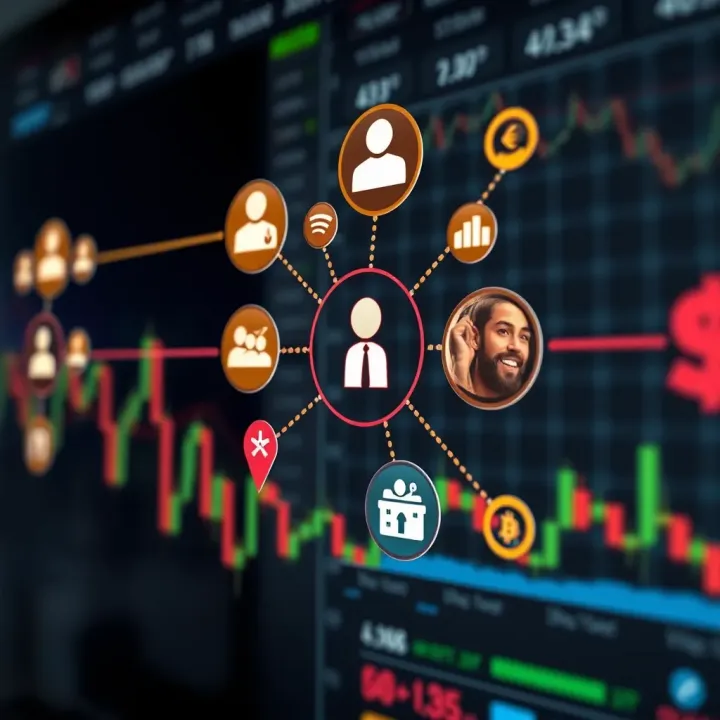
While copy trading may not require direct capital initially, risks remain. For example, some platforms offer free trials but require deposits for full features. Also, blindly following traders without understanding strategies can lead to heavy losses if market conditions change.
Furthermore, selecting a credible trader to copy is critical. A careless choice may expose users to poor risk management or even fraudulent activities.
Affiliate marketing provides an indirect way to earn from online trading without personal monetary investment in markets. Many brokers and platforms offer referral bonuses when users bring new clients who trade actively.
For instance, a Pakistani affiliate might promote a broker on social media, earning commissions each time someone registers and begins trading through their link. This method suits those with a network or online presence interested in financial products but without capital to trade.
Despite its appeal, affiliate marketing depends heavily on the ability to attract active users. Earnings are typically commission-based and not consistent, often requiring sustained effort for meaningful income.
Moreover, regulatory rules can affect affiliate programmes. Ensuring compliance with SECP guidelines and transparency to clients is necessary to avoid legal issues. Affiliates must also beware of promoting unreliable platforms, which can damage reputation and result in financial penalties.
Trading without initial capital is not free of challenges. Using demo accounts, copy trading, or affiliate marketing helps reduce upfront cost, but understanding limitations and risks is essential for long-term success.
With these methods, Pakistani traders can cautiously explore markets, build knowledge, and create income streams, while avoiding direct financial exposure in the beginning.
Trading without putting your own money at risk can be appealing, especially for beginners who want to understand market dynamics without facing financial losses. This approach offers practical advantages but also has its share of limitations that traders must be aware of before relying on it as a stepping stone to real trading.
One of the biggest benefits when trading without investment is the ability to learn without risking your hard-earned cash. For example, demo accounts provided by many brokers allow you to experience market conditions exactly as they happen, using virtual funds. This means you can test different strategies, observe price movements, and get used to the trading platform without any financial pressure.
In Pakistan, where many students or newcomers do not have the capital to enter trading immediately, this risk-free method acts as an accessible gateway. It eliminates the fear of losing, helping traders focus purely on understanding how markets work.
Without the threat of losing real money, traders can develop a solid trading plan and build confidence gradually. For instance, a cautious trader might use their demo account to learn how to place stop-loss orders or identify entry points for trades. Over time, these small wins in a simulated environment make transitioning to real trading less daunting.
Additionally, practical experience gained through demo trading enables one to refine techniques like technical analysis or risk management. This foundation prepares new traders to face the pressures of live markets better.
The absence of actual financial risk means demo or simulated trading often lacks the emotional intensity that influences real trades. Traders may act more boldly or carelessly since they do not have real money on the line. For example, a trader might take excessive risks in a demo account that they'd never consider in live markets, which can create a false sense of security.
This difference can lead to difficulty in adjusting to the psychological stresses when real capital is involved. Therefore, practice on demo accounts only gets you so far.
Because demo trading can be easier and less risky, some might develop overconfidence. They could start believing that successful trades in a simulated environment guarantee similar success with real money. This mindset often results in disappointments when the unpredictable realities of the market hit.
For example, a trader might invest more than they should or ignore risk controls because they underestimate the impact of real losses.
The allure of 'free trading' beckons many dishonest operators who exploit inexperienced traders. Some scams promise trading without deposits but then ask for sensitive information or hidden fees later on. Pakistani traders should remain vigilant and verify broker licences through SECP (Securities and Exchange Commission of Pakistan) or trusted sources.
These fraudulent schemes tend to offer unrealistic returns to lure clients, only to trap them when they commit real funds or share personal details.
Always verify a broker’s credentials and approach "free trading" offers with caution to avoid falling into traps.
Balancing the benefits with these drawbacks, trading without investment tools like demo accounts serve as helpful educational resources but cannot replace the lessons learned through real markets and disciplined investing. Being mindful of these points will help you prepare better for a successful trading journey.
Online trading without upfront investment is an attractive prospect, but Pakistani traders must weigh several practical factors. Understanding the local regulatory environment, reliable platforms, payment options, and financial discipline helps traders avoid pitfalls and build a sustainable approach.
The Securities and Exchange Commission of Pakistan (SECP) oversees online trading within the country. SECP guidelines ensure broker transparency and protect investors from fraud, making it essential for traders to deal strictly with licensed brokers. Moreover, the State Bank of Pakistan (SBP) regulates currency movement, affecting how foreign exchange trading operates here. Traders should also be aware of restrictions on offshore platforms' usage as these can pose compliance risks or cause issues with fund withdrawal.
Because Pakistan's regulatory framework is still evolving to capture new online trading trends, due diligence on broker credentials and staying updated through official SECP announcements remains key.
Several international brokers accept Pakistani clients while offering either local language support or user-friendly platforms suited for beginners. Examples include XM, FXTM, and IG Markets. These brokers provide demo accounts, competitive spreads, and educational resources that help Pakistani traders start without risking real funds. However, selecting a broker offering timely deposit and withdrawal processing in PKR can smoothen the user experience.
Mobile wallets like JazzCash and Easypaisa have made it easier for Pakistani traders to fund accounts or withdraw profits without cumbersome bank procedures. These wallets support instant transfers and offer a safe channel to interact with brokers who accept such payments. This convenience eliminates barriers for traders who may not have access to international credit cards or bank accounts with forex capabilities.
Using local mobile payment methods reduces transaction times and fees, enhancing accessibility for traders beyond major cities.
Even when trading without initial investment, setting realistic goals is crucial. Demo trading or copy trading may not fully replicate the psychological pressures of risking personal money, so traders should be cautious not to overestimate early successes. Proper financial planning means treating any profits earned through affiliate programmes or funded trading bonuses as capital to be carefully managed rather than a guaranteed income.
Pakistani traders must also consider how loadshedding, internet disruptions, and market volatility affect real-time trading. Staying disciplined, continuously educating oneself, and gradually integrating invested capital only when confident can help build a resilient trading approach.
In short, practical knowledge of local rules, trusted platforms, convenient payment solutions, and cautious financial strategies make online trading without investment a more achievable setup for Pakistani traders.
Online trading without investment sounds tempting, but it also opens doors to scams. Protecting yourself means knowing how to spot dodgy offers and sticking with trustworthy platforms. This section highlights key warning signs and safe practices to keep you out of trouble.
If a trading platform promises overnight riches with no risk or investment, be wary. Scammers often lure traders with claims of quick profits like doubling your money in days or guaranteed returns. In reality, legitimate trading requires time, skill, and sometimes capital. If the offer sounds too good to be true, it probably is.
For example, a website claiming you can earn Rs 50,000 monthly without any deposit is likely deceptive. Real-world trading outcomes depend on market conditions and strategies, so such guarantees should raise alarms.
Be cautious if a platform asks for unnecessary details such as CNIC number, bank account passwords, or mobile SIM verification before you even start. Genuine brokers require standard KYC (Know Your Customer) processes but won’t pressure you for sensitive data upfront or share it with unknown parties.
Sharing private information on unverified sites can lead to identity theft or financial fraud. Pakistani traders should confirm that any platform asking for such data follows Pakistan Telecommunication Authority (PTA) and SECP regulations.
The Securities and Exchange Commission of Pakistan (SECP) regulates financial markets and licensed brokers. Checking if an online trading platform is registered with SECP ensures it meets legal and ethical standards. This reduces risks of fraud and malpractice.
Besides SECP, keep in mind rules from PTA and Federal Board of Revenue (FBR) when using financial services linked to trading. Regulated platforms often provide clear terms and protect your rights as a trader.
Before trusting any broker, research their track record. Look for customer reviews, ratings, and investor feedback on Pakistani forums or social media groups.
Reliable brokers openly share their licences, compliance status, and contact details. Avoid platforms with many complaints about withdrawal delays, hidden fees, or lack of transparency. Peer recommendations and official broker lists from SECP can guide your choice.
Always verify a trading platform’s legitimacy before engaging, especially when offers seem too generous. Staying informed and cautious shields your money and privacy in the often risky online trading space.
💹 Discover ways to trade with little or no money upfront in Pakistan. Learn practical tips, risks, and legal factors before you start trading today!
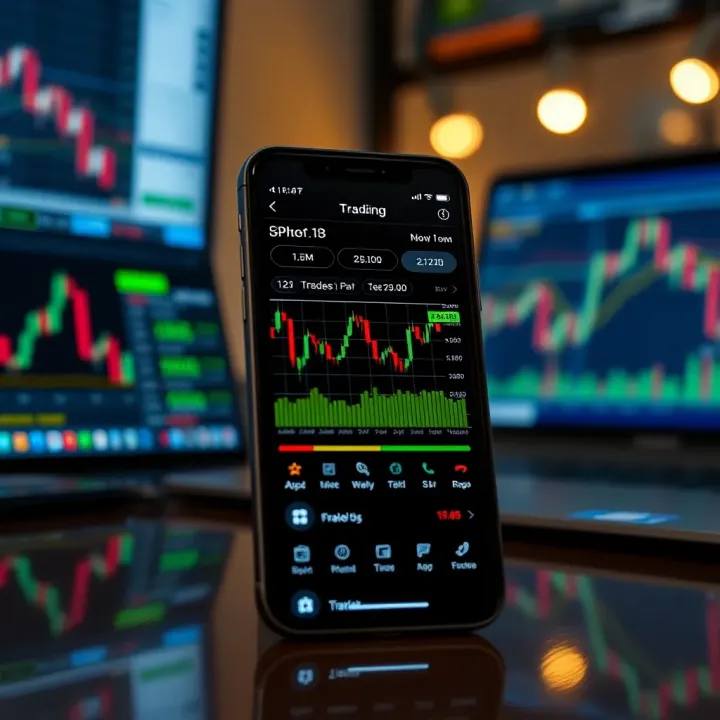
Discover trading apps that don’t require real money investment 💸 Learn, practice, and explore simulated trading in Pakistan 🇵🇰 with top app options.
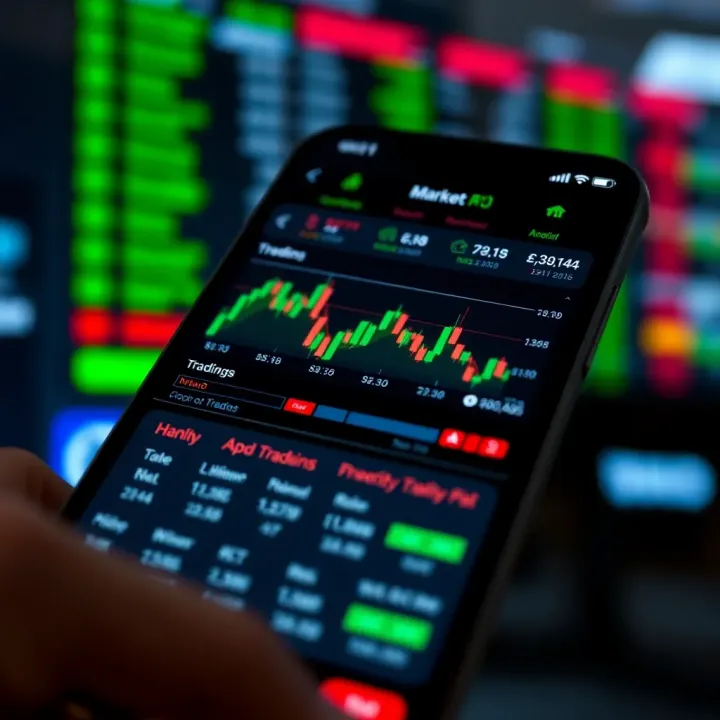
📈 Explore top online trading apps in Pakistan! Get tips on secure, efficient trading and find the best platform to match your style and market needs.
📈 Discover a practical guide to online trading in Pakistan. Learn market types, key tools, strategies, and risk tips to trade smarter and safer today!
Based on 6 reviews