
Copy Trading Guide for Pakistani Investors
📈 Explore how Pakistani investors can use copy trading to mirror expert trades, learn benefits & risks, pick the right platforms, and manage smartly.
Edited By
James Whitaker
Trading through mobile apps has become a real game-changer for investors in Pakistan. More than just convenience, these apps bring the stock market to your fingertips, letting you buy and sell shares anytime, anywhere. But diving into trading apps without knowing what’s what can lead to bumps and bruises—financially and mentally.
This article will walk you through the essentials of trading apps specific to the Pakistani market. We’ll break down how they function, what features actually matter, how to keep your investments safe, and best practices for trading smartly. Whether you’re a seasoned broker or someone putting your first rupee in the market, the goal here is to make the process straightforward, practical, and less intimidating.
Understanding these tools isn’t just about tech—it's about securing your financial future in a market that's shifting fast.
By the end, you'll be able to pick a trading app that fits your needs and navigate Pakistan's trading platforms with more confidence. Let’s start making sense of the apps that are reshaping investment opportunities right here at home.
Trading apps have become a game-changer for investors, especially in Pakistan where market access was traditionally limited to a few. These apps put the stock market and forex trading right into your pocket, giving people the chance to trade anytime and anywhere. From Karachi’s busy streets to small towns in Punjab, trading apps are opening doors for all kinds of investors.
The importance of this section lies in setting the stage: understanding what these apps do, how they evolved, and why they matter for Pakistani investors. Rather than guesswork, anyone can get a clear sense of how trading apps work and their key benefits. For instance, a shopkeeper in Faisalabad might use an app to invest small amounts on his phone during breaks, something unimaginable just a few years ago.
Trading apps are software applications designed to let users buy, sell, and manage financial assets straight from their smartphones or tablets. The main goal is to simplify the trading process, cutting out the need for a middleman or physical presence at a brokerage. They offer tools that make trading quicker and more accessible for everyday people, not just professionals.
Think of a trading app as your mobile brokerage; instead of calling a broker or visiting an exchange, you tap a few buttons and handle your transactions. Some apps also provide market news, charts, and alerts, acting like a mini investment assistant.
Most trading apps in Pakistan cover a variety of assets, which means investors can choose what fits their risk appetite and goals. Common assets include:
Stocks: Shares of companies like Pakistan Stock Exchange's top names such as Engro and Habib Bank.
Forex: Trading currency pairs such as USD/PKR.
Commodities: Gold and oil are popular choices.
Indices: For example, KSE 100 index trading.
Some advanced apps might also offer access to mutual funds or bonds. This variety lets investors diversify their portfolios without needing multiple platforms.
Pakistan has seen a steep rise in smartphone penetration and faster internet speeds over the past decade. As of recent reports, over 100 million Pakistanis own smartphones, and affordable 4G data plans have become widespread. This tech boom directly fuels the popularity of trading apps, as more people can download and use them hassle-free.
For example, many new users from cities like Lahore and Islamabad start exploring apps like PSX’s official app or commercial apps like MTrade or Alpari for forex trading, once they realize the convenience right at their fingertips.
The curiosity for stock and currency trading in Pakistan has spiked, partly driven by economic fluctuations and a desire to grow savings beyond traditional banking. The PKR’s ups and downs, alongside bullish runs in the stock market, attract investors looking for better returns.
Besides, the younger generation is more financially aware, scrolling through YouTube tutorials or Telegram groups to learn trading basics. This growing appetite for market participation makes trading apps not just tools but essential for staying connected to financial opportunities.
In short, trading apps are rapidly becoming a trusted entry point for Pakistan’s investors to engage with the financial markets efficiently and safely, breaking old barriers of time and geography.
In the world of trading, apps serve as the frontline tools that connect investors to the markets. Their core features aren't just fancy add-ons; they directly impact how effectively you can trade, stay informed, and react to market changes. For investors in Pakistan, these features are especially important due to fluctuating market conditions and the growing complexity of asset options.
A good trading app is like a well-organized toolbox—everything should be where you expect it, without the need to fumble around. Ease of navigation means you can find charts, trade options, and account info without getting lost. When your trading app has a clean layout, minimal loading times, and straightforward menu options, you waste less time and reduce the chances of making mistakes. Apps like 'InvestBy' in Pakistan have gained popularity partly for their intuitive interfaces that beginners find simple.
Customizable dashboards allow users to tailor their trading environment. Instead of a one-size-fits-all, you get to pick which charts to view, set preferred indicators, and monitor select stocks or currencies side-by-side. This is practical because investors vary in their needs—those tracking the Pakistan Stock Exchange may want to see KSE-100 performance alongside currency exchange rates. Custom dashboards turn the app into your personal trading cockpit.
When markets move fast, having real-time information can mean the difference between profit and loss. Market updates provide continuous streaming of price changes, news, and volume shifts. For instance, if Pakistan’s rupee suddenly reacts to policy news, a live update helps traders adjust quickly rather than batting in the dark. Apps like 'MProfit' offer reliable feeds that keep investors in the loop.
Price alerts and notifications act like your trading watchdogs. You can set alerts for specific price points or percentage changes. For example, if you hold shares in a company and only want to sell when the price crosses a certain threshold, the app can buzz you. It helps in taking timely action without having to monitor the screen all day, which is especially handy for active traders juggling multiple positions.

The actual buying and selling hinge on two things: the kinds of orders your app supports and how quickly these orders get processed.
When discussing types of orders supported, it's key to have options like market orders (buy/sell immediately), limit orders (set your price), and stop-loss orders (automatic sell to limit losses). A Pakistani trader might use a stop-loss to protect against sudden downturns in volatile stocks like Pakistan Oilfields Limited, ensuring losses don’t spiral.
Speed and reliability are not negotiable in today’s market. Slow or laggy apps might cause missed opportunities or trades executed at unfavorable prices. Weak internet connections in some areas of Pakistan make this even more critical. Reliable apps maintain stable connections and execute trades with minimal delay even during peak hours. "KTrade" app users often commend its quick execution, a feature that can save you from nasty surprises.
In short, the core features of a trading app shape your entire trading experience—smooth navigation, timely data, and swift trade execution can make your investment journey less stressful and more profitable.
Finding the right trading app is more than picking the flashiest interface or the one with the most downloads. For Pakistani investors, it means choosing a platform that not only fits their trading style but also operates within the legal framework, offers fair fees, and has a good reputation. This section will help you navigate these factors, ensuring you pick a service that keeps your investments safe and trading convenient.
The Securities and Exchange Commission of Pakistan (SECP) plays a key role in regulating trading platforms. SECP ensures these apps follow set rules to protect investors. A trading app complying with SECP guidelines means it meets standards for transparency, data security, and fair trading practices. Before settling on an app, check if it explicitly states SECP approval or registration. This is crucial because apps operating outside this framework might expose you to unregulated risks, like misinformation or even fraud.
Brokerages behind trading apps must be licensed by SECP to operate legally. Licensed brokerages adhere to strict financial and operational requirements, which reduces the chances of scams or mismanagement of funds. For instance, apps linked to firms like AKD Securities or JS Global Capital are typically bound by these regulations, offering an extra layer of trust. When choosing an app, always verify the brokerage’s licensing status—this can usually be found on official SECP listings or the brokerage's website. Avoid apps backed by firms without this license, as they might put your investments at risk.
Every trade you execute usually comes with a fee or commission. Some apps charge a flat fee per trade, while others take a small percentage of the trade's value. For example, PSX-registered apps generally have broker commission rates around 0.03% to 0.1% for buying and selling shares. Choosing an app with competitive and transparent fees matters because high fees eat into your profits over time. It’s wise to compare fee structures of apps like MTrade or iTrade before committing.
Beyond visible fees, some apps slap on extra costs like account maintenance fees, withdrawal charges, or inactivity penalties. For example, several users have reported paying small fees when withdrawing funds from Pakistan Stock Exchange apps. Always read the fine print or FAQ sections to spot these hidden costs. If the fee details are vague or hard to find, that's a red flag. Opt for apps that lay all charges bare upfront to avoid surprise deductions later.
Peer reviews from real users provide invaluable insight into how an app performs in everyday use. Look beyond star ratings to read comments about app reliability, customer service, and order execution speed. For example, traders often complain about glitches during peak trading times on some platforms. Apps like Codebase’s iTrade usually see positive feedback for smooth functioning but might get criticism for delayed customer responses. These nitty-gritty details can help you avoid frustrations down the line.
Industry experts frequently rank trading apps based on features, security, and usability. Pakistani financial news portals and independent fintech reviewers publish these rankings annually. High-ranking apps often signal consistent performance and regulatory adherence. For instance, MTrade and JS Global Capital have secured high marks in recent reviews, highlighting them as reliable choices. Paying attention to such rankings gives you a quick snapshot of which apps are trusted within the investment community.
Choosing the right trading app requires balancing legal safety, reasonable costs, and reliable service. Don’t rush—check regulatory status, fees, and user experience to trade smarter and safer.
When dealing with trading apps, especially in Pakistan where digital practices are still catching up, paying close attention to security is not just smart—it's necessary. Trading apps handle sensitive data like your bank details and personal identification, and they execute transactions that involve your hard-earned money. So, the risks of cyber threats and privacy breaches are very real. Ensuring your app has top-notch security measures can shield you from losses and identity theft.
Encryption is like putting your data in a locked box before sending it over the internet. It's crucial that trading apps use strong encryption protocols—such as AES 256-bit or TLS 1.3—to protect communications between your device and their servers. This means even if someone intercepts the data, they won’t be able to make sense of it. For example, apps like HBL Konnect and iTrade by IGI Securities emphasize encryption to maintain user trust. Always check if your trading app mentions its encryption standards in privacy policies or security sections.
Single-factor passwords just don’t cut it anymore. Good trading apps implement multi-factor authentication (MFA), combining something you know (a password) with something you have (a code sent to your phone) or something you are (biometrics like a fingerprint). This greatly lowers the chance of unauthorized access. For instance, MCB TradeApp offers biometric login options, which are both user-friendly and secure. When setting up your app, look for settings that allow MFA and biometric options—this is a straightforward way to lock down your account.
Scammers often impersonate trading platforms through fake websites, phishing emails, or unsolicited messages promising unbeatable returns. A tell-tale sign is urgent requests to share passwords, PINs, or verification codes. Remember, legitimate trading companies never ask for your password over email or call. Also, watch out for apps claiming unusually high profits without risks—they usually are too good to be true. Pakistani investors should be cautious especially during market booms when scammers become more active.
Here are practical steps to keep your trading app secure:
Verify the app source: Always download apps from official stores like Google Play or Apple App Store and check developer credentials.
Regularly update the app: Updates often patch security vulnerabilities.
Use strong, unique passwords: Avoid common words or simple number sequences.
Enable notifications: This way you get alerts on unusual account activity.
Don't click suspicious links: Never respond to unexpected emails or messages asking for your trading credentials.
Keep your device secure: Use screen locks and avoid public Wi-Fi when trading.
Staying alert and using the right security measures can save you from headaches and financial losses that no one wants to deal with.
By understanding how data protection and fraud prevention work together, Pakistani investors can trade with greater confidence and keep their financial journeys on safer paths.
Navigating the world of trading apps can be tricky, especially for investors in Pakistan who might be new to digital platforms. Knowing how to use these apps effectively isn't just about clicking 'buy' or 'sell'; it's about setting yourself up with the right tools, managing the risks wisely, and continuously monitoring your investments. These practical tips are designed to help you make the most out of your trading experience while keeping your money safe and your stress levels in check.
Verification procedures are the first step once you decide to use a trading app. Pakistani regulators like the SECP require brokers to ensure that investors verify their identity before starting to trade. This usually involves submitting your CNIC or NICOP, along with proof of residence and sometimes a recent photograph. It might feel like a hassle, but this process protects your account from fraud and unauthorized access. For example, apps like JS Global or M2Trade have clear step-by-step guides to walk you through this verification. Don’t rush it; incomplete or incorrect documentation can delay your access and cause frustration.
Linking bank accounts is the next crucial step. Most Pakistani trading apps ask you to link a bank account for funding your trades and withdrawing profits. It’s best to use an account under your own name to avoid complications or compliance issues. Apps like Zameen Stock Exchange or IGI Securities support direct transfers through standard banking gateways. Connecting your bank means you can transfer money swiftly without relying on third-party services, saving time and cutting down on fees. Always double-check account numbers and bank details to avoid costly mistakes.
One smart way to protect your investments is by using stop loss orders. Imagine you buy a stock but want to limit how much you could lose if the market takes a dive. A stop loss lets you set a price point at which your position will automatically be sold, preventing further losses. For example, if you buy shares at PKR 100 and set a stop loss at PKR 90, the app will sell your shares once the price hits 90, safeguarding your capital. This tool is especially handy during volatile times, like around Pakistan's budget announcements or geopolitical tensions.
Another vital strategy is diversification. Don't put all your eggs in one basket — spread your investments across different sectors like energy, banking, and technology. The Pakistan Stock Exchange offers plenty of options, so you could own shares in a major bank, some stocks of oil companies like Pakistan State Oil, and perhaps a few units of a tech startup. This way, if one sector underperforms due to local factors, other investments can balance out the losses. Many trading apps now provide portfolio recommendations or allow you to set alerts for diverse asset performance, helping you keep an eye on your mix.
Keeping an eye on your investments is just as important as picking them. Monitoring your portfolio regularly helps catch any worrying trends or opportunities for gains. Pakistani trading apps such as Al Meezan or JS Investments include portfolio summaries showing your current value, gains, and losses. Don’t let your investments gather dust; checking in weekly or biweekly can help you act promptly.
Using app analytics tools can boost your understanding beyond just numbers. These tools offer charts, graphs, and even predictive analytics based on historical data tailored to the Pakistan market. For example, they might highlight best-performing sectors or notify you if a stock’s price volatility surpasses a certain level. Apps like Investify have built-in analytics features that are user-friendly even for beginners, which can give you an edge in making informed decisions.
Always remember, trading isn’t a guaranteed money-maker overnight. Using these practical tips thoughtfully will not only enhance your experience but also help you steer clear of common pitfalls. Start small, stay informed, and grow confidently.
The future of trading apps in Pakistan holds great promise as technology evolves and more people gain access to digital financial tools. This section looks at what lies ahead, focusing on how innovations and wider participation will shape trading experiences. For Pakistani investors, understanding these trends is more than just curiosity—it’s key to adapting their strategies in an ever-changing market.
Integration of AI and machine learning has become more than just buzzwords in trading apps. These technologies analyze vast amounts of data to identify market trends and potential risks, often faster and more accurately than human traders. For instance, they can spot unusual trading patterns or forecast price movements based on historical behavior, helping traders make informed decisions without spending hours scanning charts. Apps like Freetrade and E toro are already using AI-driven chatbots and personalized alerts, making the trading process smoother and more precise.
Such smart features are especially useful for Pakistani investors who might not have access to professional advisory services. They can receive tailored recommendations or warnings specific to their portfolio, reducing guesswork and emotional trading mistakes.
Improved user experiences focus on making apps easier and more enjoyable to use. This means cleaner interfaces, faster load times, and simpler navigation that doesn’t overwhelm beginners. For example, many Pakistani trading platforms are introducing customizable dashboards where users can set favorite stocks, view crucial news at a glance, and quickly place orders.
Besides convenience, these improvements enhance decision-making by displaying real-time data clearly — no need to toggle between screens or rely on complex terms. A well-designed app lowers the barrier for new traders to enter the market and encourages consistent, confident investment activities.
Rural outreach is one of the most significant growth drivers for trading apps in Pakistan. With smartphone penetration growing rapidly even in smaller towns and villages, there’s a rising opportunity to bring trading and investment closer to people who traditionally had limited access. Companies like MCB Bank are exploring mobile platforms tailored for rural users, offering simpler interfaces and local language support.
Reaching these investors can boost overall market liquidity and create more balanced economic development. It also means traders in rural areas can now respond quickly to market shifts without waiting for local brokers or physical offices.
Enhanced financial literacy efforts play a vital role in this expansion. Many Pakistani trading apps are partnering with educational platforms and financial experts to offer training modules, webinars, and easy-to-understand articles directly within their applications. This approach arms users with the knowledge to manage risks, recognize scams, and understand key metrics.
For example, apps may introduce interactive tutorials on how to use stop-loss orders or diversification techniques. These efforts help reduce costly mistakes and build confidence among new investors, promoting long-term engagement with the stock market.
Staying updated with technological advancements and market access initiatives empowers Pakistani users to trade smarter and safer. As trading apps evolve, combining innovation with education will be the backbone of a stronger, more inclusive investment culture.
In summary, the future points to smarter, more user-friendly apps reaching a broader audience. Being aware of these changes ensures investors in Pakistan can make the most out of their trading apps today and tomorrow.
📈 Explore how Pakistani investors can use copy trading to mirror expert trades, learn benefits & risks, pick the right platforms, and manage smartly.
📈 Explore trading basics, strategies & risk tips tailored for Pakistani investors. Master local & global markets with confidence and smart moves.
📈 Discover how to choose the best trading app in Pakistan. Get detailed insights on features, security, costs & tips for smart investing! 💹
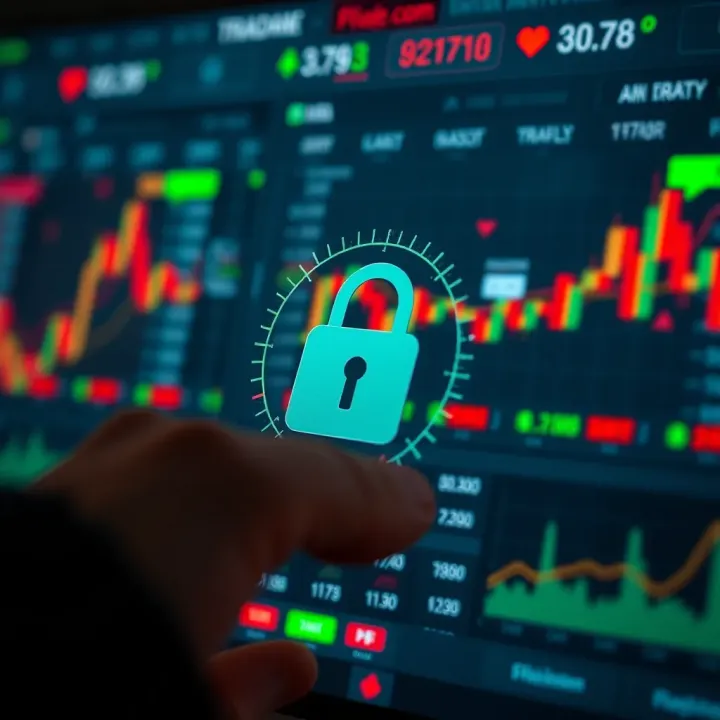
Explore top trading apps for Pakistani investors 📱! Get insights on features, security 🔒, costs 💰 & tips for smarter trading decisions. Start now!
Based on 11 reviews