
Guide to Trading Cryptocurrency in Pakistan
📈 Learn how to trade cryptocurrency in Pakistan with practical tips on strategies, risk management, legal rules, and navigating the local crypto scene.
Edited By
Edward Collins
Cryptocurrency trading has become a hot topic in Pakistan, attracting everyone from casual investors to serious traders. As digital currencies gain traction worldwide, Pakistanis are keen to tap into this new financial frontier. However, navigating the crypto market here comes with its own set of challenges and opportunities.
This guide breaks down everything you need to know about trading cryptocurrencies in Pakistan. From the basics of how these digital assets work, to the best platforms you can use, and the legal landscape that governs crypto trading locally. Whether you're looking to buy Bitcoin, trade altcoins, or dive into DeFi, understanding the market’s nuances is vital.
In Pakistan, the crypto scene is still maturing. Regulations can be a bit confusing and platforms differ widely in terms of security and usability. That’s why a clear, practical roadmap is essential for anyone wanting to get involved and protect their investment.
We’ll cover practical strategies tailored for Pakistani traders, highlighting risks and how to avoid common pitfalls. By the end of this guide, you’ll have a solid grasp of how to confidently trade crypto without throwing your money down the drain.
Let’s kick things off by exploring what cryptocurrency really is and why it’s catching so much attention in Pakistan’s financial circles.
Getting a solid grip on the basics of cryptocurrency is a must, especially for anyone looking to dive into trading in Pakistan's unique market. It’s more than just tech jargon—it’s the foundation upon which all successful trading strategies are built. Without this understanding, traders risk making rash decisions based on hype rather than facts.
At its core, a cryptocurrency is a type of digital or virtual money that uses cryptography for security. Unlike cash you carry or coins in your pocket, these currencies exist only electronically. Think of it like a ledger on the internet that keeps track of transactions using complex codes, making it secure and hard to counterfeit. Bitcoin was the pioneer, but there’s now a whole crowd of cryptocurrencies, each with its own features and uses.
For traders, this means getting familiar not just with Bitcoin but other coins like Ethereum, Litecoin, and even local favorites that might catch on within Pakistan. Understanding digital currencies is about knowing what you're buying, selling, or investing in—it's not just numbers on a screen.
Unlike traditional money issued by governments, cryptocurrencies don’t have a physical form and aren't controlled by any central authority like a bank or government. This decentralization means transactions can happen peer-to-peer without intermediaries, often reducing fees and speeding up transfers, even cross-border.
However, this also means they aren’t backed or insured by any financial institution—one wrong move, like sending crypto to the wrong address, and it’s gone for good. For Pakistani traders, who might be used to dealing through banks, this is a big shift that calls for careful handling and diligent record-keeping.
At the heart of cryptocurrencies lies blockchain technology. Imagine it as a digital ledger spread across thousands of computers worldwide. Every transaction gets bundled into a 'block' and linked to the one before it, creating a continuous 'chain' of data. This structure makes changes nearly impossible without detection—a feature crucial for trust.
For a trader in Pakistan, understanding blockchain means appreciating why cryptocurrencies are hard to tamper with, why transparency is baked into the system, and how this technology underpins secure and reliable trading.
Decentralization means that no single entity controls the network. Instead, thousands of nodes (computers) verify and record transactions, creating a community-managed platform. Mining is a key part of this process, where miners use powerful computers to solve complex puzzles that validate transactions and add new blocks to the chain.
While mining itself might not be practical for individual traders, knowing how it works helps explain market supply, transaction fees, and occasional network slowdowns. It’s like understanding where the fuel comes from before you start driving—important for making informed trades and understanding market behavior.
Getting a handle on these basics isn’t just academic—it protects you from scams, guides smarter investments, and helps navigate Pakistan’s evolving crypto scene with confidence.
When you're stepping into the world of crypto trading in Pakistan, knowing which cryptocurrencies are popular and why they matter is essential. It’s not just about picking coins randomly; it’s about understanding their market presence, stability, and potential for growth. This matters because the crypto market is volatile, and having a grasp on well-established and promising coins helps traders make smarter decisions.
Bitcoin and Ethereum are the heavyweights in the crypto scene, both globally and in Pakistan. Bitcoin, often called the digital gold, is the first cryptocurrency and remains the most recognized and valuable. It’s popular in Pakistan mostly because of its relative stability compared to other coins and widespread acceptance on trading platforms.
Ethereum is a bit different—it’s more than just digital money. It’s a platform for building decentralized apps, which means it has a wider use case beyond currency. For traders in Pakistan, Ethereum’s smart contract capabilities open avenues for innovation and investment that go beyond basic trading.
Both coins enjoy high liquidity, meaning they can be easily bought or sold without major price swings, which is a big deal in Pakistan’s emerging crypto market.
Alongside these giants, some altcoins are emerging as interesting picks for Pakistani traders. Coins like Cardano (ADA), Solana (SOL), and Polkadot (DOT) are gaining traction because they offer faster transactions and lower fees compared to Bitcoin. These features are especially handy when transaction costs matter, like for small-scale traders.
Don’t overlook coins tied to specific technologies or sectors, such as Chainlink (LINK) for decentralized finance or Avalanche (AVAX) for smart contracts. These altcoins can offer bigger gains but come with higher risks, so they suit traders who keep an eye on market trends and are ready to act fast.
Market capitalization and volume are key indicators you should know when trading crypto. Market cap tells you the total value of a cryptocurrency, calculated by multiplying the current price by the total number of coins in circulation. For instance, Bitcoin's market cap often exceeds hundreds of billions, showing it’s a market leader.
Volume, on the other hand, indicates how much of a currency was traded over a set period. High trading volume means good liquidity and active interest, which means you can buy or sell without much hassle. Low volume might mean the price is easier to sway with relatively small trades, causing more risk.
Tip: In Pakistan’s fluctuating market, keeping an eye on volume alongside market cap helps avoid coins that look promising but have poor trading activity.
Sorting through these numbers helps traders avoid coins that might be illiquid or overly speculative. It’s not uncommon to see a lesser-known coin with a sudden price spike due to low volume, which can be misleading and dangerous for inexperienced traders.
Understanding these aspects gives Pakistani crypto enthusiasts a firmer footing in the market. By focusing on the well-established coins like Bitcoin and Ethereum, along with selective altcoins supported by solid use cases, you can build a crypto portfolio that's both balanced and forward-looking. Knowing market cap and volume will arm you with tools to assess coins critically—vital skills for anyone serious about trading in Pakistan’s evolving crypto ecosystem.
Getting started with cryptocurrency trading is more than just buying some Bitcoin or Ethereum and hoping for the best. Setting up properly is the backbone of any successful trading journey, especially in Pakistan, where the crypto market is still finding its feet amid legal and infrastructure challenges. This phase ensures that you have a safe, reliable, and efficient environment to trade without running into avoidable pitfalls.
From picking the right exchange to creating a secure wallet, these steps help you gain control over your investments and reduce risks like scams, theft, and technical difficulties. Without a solid setup, even the smartest trade idea won’t take flight. Let’s dig into the essentials.
Choosing the right exchange isn’t a one-size-fits-all matter. In Pakistan, this decision affects how smoothly you can buy, sell, and store cryptocurrencies. Look for exchanges with a decent track record, strong customer support, and clear policies on deposit and withdrawal – money moving in and out of your account shouldn’t be a guessing game.
Security is key: exchanges like Binance and Coinbase offer two-factor authentication, but also check for others that comply with local regulations or have user-friendly Urdu language options. Fees matter too; an exchange charging steep withdrawal fees can eat into your profits.
Look for features that suit your style: if you’re day trading, you’ll want platforms with fast order execution and advanced charting tools, such as Kraken or Bitstamp. For beginners, a simple interface and educational resources can make all the difference.
Both local and international exchanges have their pros and cons. Local platforms like Urdubit or localbitcoins.pk provide easier access for Pakistani users, often supporting PKR deposits and providing customer service tailored to local needs. They tend to be less complex, which can help newbies avoid being overwhelmed.
On the other hand, international exchanges offer wider liquidity, more trading pairs, and often tighter spreads. Platforms such as Binance or Huobi have a bigger pool of assets and offer margin trading, futures, and other advanced options. However, transferring funds can be trickier due to banking restrictions and currency conversion issues.
In practice, many Pakistani traders use a mix: buying crypto locally to avoid currency hassles, then transferring to international platforms for trading.
A crypto wallet feels like your digital bank account, so it's vital to know how to pick and secure one. Hot wallets stay connected to the internet, making them convenient for daily trading but exposing them to hacking risks. Examples include mobile wallets like Trust Wallet or desktop wallets like Exodus.
Cold wallets are offline devices, such as hardware wallets from Ledger or Trezor, providing an extra layer of security by keeping the keys offline. They're excellent for holding large amounts or long-term storage, but less handy if you want to trade frequently.
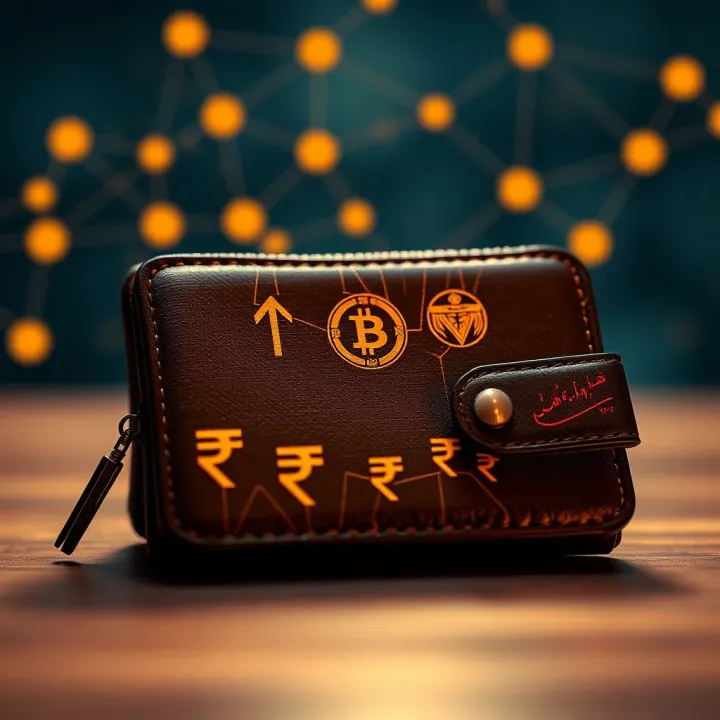
Choosing between hot and cold wallets is about balancing convenience and security. New traders typically start with a hot wallet to keep things simple, but as investments grow, moving funds to cold storage is a wise move.
Once you have your wallet, protecting it is non-negotiable. Here are some practical tips:
Always enable two-factor authentication (2FA) where possible.
Use strong, unique passwords and change them periodically.
Avoid storing private keys or recovery phrases digitally, especially not in email or cloud storage.
Keep your hardware wallet in a safe, physical location and do not share it.
For example, forgetting your wallet’s recovery phrase is like losing the keys to your house—without it, you can't regain access. Avoid phishing scams by double-checking URLs and never click suspicious links.
"Your crypto wallet's security is just as critical as the trades you make. Compromising it is like leaving your door wide open in a bad neighborhood."
Proper setup in trading and wallet security forms the foundation of your crypto endeavors in Pakistan. Taking these steps seriously saves headaches and lets you focus on what matters—smart trading.
Navigating the legal and regulatory framework around cryptocurrency is fundamental for anyone trading in Pakistan. Since this market is still quite new and evolving, understanding the current laws, government views, and tax rules helps traders avoid costly mistakes and operate within legal boundaries.
In Pakistan, the State Bank of Pakistan (SBP) has taken a cautious approach towards cryptocurrencies. Officially, SBP has not recognized cryptocurrencies like Bitcoin or Ethereum as legal tender. In fact, in 2018, SBP issued a circular prohibiting banks and financial institutions from providing services related to virtual currencies. This stems from concerns over risks like fraud, money laundering, and lack of consumer protection.
Despite that, there hasn’t been a comprehensive ban on owning or trading cryptocurrencies in peer-to-peer markets or over international exchanges. The government is still mulling over how to regulate crypto to balance innovation with security. For traders, this means they must be careful to use non-bank payment methods and verify the legitimacy of exchanges outside the banking system.
For crypto traders in Pakistan, the murky regulatory environment brings both opportunities and risks. Since there’s no government-backed framework, there’s limited legal protection if an exchange folds or funds are stolen. Traders should prioritize using well-known international exchanges like Binance or Coinbase which offer robust security measures. Also, understanding that banks won't directly support crypto transactions is key to avoiding frozen accounts or transaction blocks.
Another practical aspect is staying alert to any policy announcements. The government occasionally signals intent on drafting more detailed cryptocurrency rules. Traders should be prepared for sudden regulatory shifts that might impact currency conversions, withdrawal limits, or reporting requirements.
Taxation on cryptocurrency gains remains unclear in Pakistan, but general principles apply. The Federal Board of Revenue (FBR) treats crypto as an asset, meaning profits from trading could be considered taxable income or capital gains, depending on the holding period and transaction frequency.
Here are some points to keep in mind:
Record Keeping: Maintaining detailed records of all buys, sales, and trades is essential for tax reporting.
Income Reporting: Any profits from trading should be declared in annual tax filings to avoid penalties.
Consultation: Since guidelines are vague, consulting a local tax advisor familiar with digital assets is wise.
For instance, if you bought Bitcoin for PKR 2,000,000 and sold it for PKR 2,500,000 within a year, that PKR 500,000 gain might be taxable. Without clear regulations, it’s better to err on the side of reporting than risk trouble later.
Staying compliant with current tax duties not only safeguards your trading activities but also contributes to carving out a more regulated and safer market environment for all Pakistani traders.
Understanding and adapting to Pakistan’s evolving legal stance and tax frameworks will give traders both a safety net and confidence as they navigate the world of cryptocurrency.
Starting out with trading strategies is where many new cryptocurrency traders in Pakistan begin to shape their path. It’s not just about picking coins and hoping for the best; a clear strategy helps you make smarter decisions, reduces risks, and can turn those shaky early days into consistent gains. Understanding key concepts and methods is crucial for anyone aiming to navigate the volatile crypto market confidently.
Market orders and limit orders are the building blocks of crypto trading. A market order tells your exchange to buy or sell immediately at the best available price. It’s quick but could cost you if prices shift suddenly—like trying to catch a bus that’s just leaving without looking at the schedule. On the flip side, a limit order sets the maximum or minimum price you’re willing to trade at. Think of it like putting up a sign saying "Will sell BTC only if price hits PKR 6,000,000." It won’t execute until that price arrives, giving you control but sometimes missing fast moves.
Using these orders wisely can save a lot of headaches. For example, if you expect Bitcoin’s price to dip to a certain level, placing a limit order there lets you buy without staring at the screen all day. But if you urgently want to buy before a big news announcement, a market order makes sense to grab those coins fast.
Reading price charts is another basic but essential skill. Charts visualize how prices have changed over time—sometimes showing trends, sudden spikes, or slumps. Beginners should focus on candlestick charts, which display opening, closing, high, and low prices within a specific timeframe. This helps traders spot patterns like "bullish engulfing" or "doji" that hint at potential moves.
Imagine looking at Bitcoin’s price over the past week and noticing it consistently bounces back from PKR 5,800,000. This "support level" could be a good entry point. Conversely, a "resistance level" might be at PKR 6,200,000, where price often pulls back. Getting comfortable with these charts helps you time your trades better instead of flying blind.
Day trading vs HODLing represents two very different mindsets. Day trading means buying and selling throughout the day to catch small, quick wins. It’s fast-paced and demands attention, almost like playing chess in real-time against the market. Many Pakistani traders try this, but it requires solid understanding, nerves of steel, and often some luck.
On the other hand, HODLing is basically buying and holding for the long haul—ignoring short-term ups and downs. It’s a popular approach for folks who believe crypto’s value will grow steadily over years. For example, someone who bought Ethereum at PKR 60,000 in early 2020 and held till now would have seen huge returns despite volatility.
Each has its place. Day trading can profit handsomely if you’re quick and strategic, but it’s easy to get burned. HODLing suits those with patience and fewer hours to monitor markets.
Swing trading strategies for beginners lay somewhere in between. Swing traders look for price "swings" that last days or weeks, capturing larger gains than day trading but not needing the patience of HODLing. For a beginner, a simple approach might be:
Identify a range where a coin’s price moves regularly, say PKR 60,000 to PKR 70,000 for Ethereum.
Buy near the lower end (around PKR 60,000).
Sell near the upper end (around PKR 70,000).
This taps into natural market cycles without obsessing over every tick. Pakistani traders new to crypto often find swing trading manageable because it balances effort and reward without needing constant screen time.
Remember: no strategy guarantees success. The key lies in understanding your risk tolerance and sticking to plans rather than chasing every market whisper.
Starting with these basic strategies helps Pakistani traders stand firm amid market chaos, making it easier to adjust and grow as they learn. It’s less about quick riches and more about building consistent skills that pay off over time.
When diving into cryptocurrency trading, especially in Pakistan where the market is still finding its feet, understanding and managing risks is like having a good parachute before jumping out of a plane. Without it, one wrong move in volatile markets could lead to serious losses. This section breaks down what market volatility means and practical ways to keep your investments safe.
Cryptocurrency markets are well-known for their wild price swings. Unlike stocks, Bitcoin or Ethereum prices can jump or fall drastically within hours after sudden news or market sentiment shifts. For Pakistani traders, this means being prepared for bumpy rides. For example, a political announcement affecting local regulations might trigger a steep sell-off or spike in crypto prices.
Being aware of this volatility helps traders avoid panic decisions. Recognizing patterns such as sudden volume surges or news-driven price changes can give clues on when to enter or exit positions. Without this understanding, even seasoned traders can fall prey to rapid losses.
Effective risk management isn't about avoiding risk entirely but controlling it smartly to stay in the game longer.
A stop-loss order is your safety net. It automatically sells your crypto assets if the price drops to a certain point, limiting potential losses. Say you buy Bitcoin at 5,000,000 PKR and set a stop-loss at 4,700,000 PKR; if the price plummets suddenly, the order triggers and stops you from facing a bigger hit.
Stop-loss orders are practical because they take human emotion out of the equation. When the market gets choppy, it's tempting to hold hoping prices recover, but a stop-loss enforces discipline and protects your funds.
Don’t put all eggs in one basket — this old saying holds true for crypto investments too. Instead of investing all capital in Bitcoin alone, consider spreading it across other cryptocurrencies like Ethereum, Cardano, or Binance Coin, which have different market behaviors.
Diversification cushions the impact if one asset crashes. For instance, if Bitcoin takes a major dip, having some funds in more stable altcoins or even exploring crypto-related stocks or funds can balance your overall loss.
Managing risks smartly is about minimizing pain and maximizing staying power in the unpredictable world of cryptocurrency trading. It's less about trying to be right all the time and more about surviving to trade another day.
By recognizing market volatility and applying practical risk management techniques, Pakistani traders can protect their investments while navigating the fast-moving crypto markets more confidently and sustainably.
In the wild world of cryptocurrency trading, having a good grip on both technical and fundamental analysis is like having a map in a foggy market. For traders in Pakistan, these tools aren’t just fancy add-ons—they’re essentials to make sense of price moves and market shifts.
Moving averages are one of the simplest yet most powerful tools in a trader's toolkit. Essentially, they smooth out price data to show an average price over a specific time frame—like tracking the average temperature of a city over a week instead of just one day. The most common types are the Simple Moving Average (SMA) and the Exponential Moving Average (EMA). SMA gives equal weight to all prices, while EMA favors recent prices to catch trends faster.
For example, a trader watching Bitcoin prices might use a 50-day EMA to spot upward trends early and decide when it’s a good time to buy. The moving average can also act as support or resistance levels—meaning, prices often bounce off these lines, giving clues to potential reversals or continuation.
Relative Strength Index (RSI) is another handy indicator. It measures how overbought or oversold an asset is on a scale from 0 to 100. Values above 70 usually signal the market is overheated and might cool down soon, while below 30 suggests the price could bounce back.
Imagine Ethereum’s RSI jumping to 75; a trader might see this as a green flag to take profits or brace for a dip. It's a way of keeping emotions in check since markets can get carried away in both directions.
Evaluating project potential means looking beyond just price charts. For Pakistani traders, this involves checking the crypto project’s team, technology, use case, and community support. Take Cardano, for instance—it's often praised for its strong research-driven approach and partnerships, which gives it a solid foundation beyond hype.
Key points to consider include:
The problem the project aims to solve and its real-world application
The development team's credibility and activity on platforms like GitHub
Partnerships or adoption in sectors like finance, supply chain, or healthcare
Impact of news and events is another cornerstone. Pakistani traders know that sudden govt announcements, global economic changes, or tech breakthroughs can quickly shift markets. For example, when a major country signals crypto acceptance or tightening regulations, prices can plunge or soar overnight.
Keeping an eye on news feeds like CoinDesk or following verified crypto influencers on social platforms can help react timely. It’s not about chasing every headline but understanding which news genuinely matters to your assets.
Combining technical signals with fundamental insights can significantly improve decision-making. Relying only on charts or news alone is like trying to fish with one hand tied behind your back.
In short, mastering these two forms of analysis equips Pakistani traders to navigate volatility, spot opportunities, and avoid common traps in crypto trading. It’s a balancing act—technical analysis offers a snapshot of price action, while fundamental analysis tells the broader story behind the numbers.
Navigating the cryptocurrency market in Pakistan needs more than just understanding basics or reading price charts. Having the right tools and access to trusted resources can make all the difference, especially when markets can be unpredictable and sometimes confusing. For Pakistani traders, these resources help track market trends, validate information, and connect with the local and global crypto community.
Reliable tools alleviate a lot of guesswork. They not only provide current prices but also help analyze market movements and develop strategies safely. Let’s break down the essentials: tracking apps and platforms, plus educational materials and communities that specifically help traders based in Pakistan.
Price tracking is the heartbeat of trading. Without up-to-date info, you might as well be trading blind. For Pakistani traders, some apps and platforms stand out because of their reliability, ease of use, and market coverage.
Binance: Although technically an international platform, Binance offers extensive trading pairs and real-time price updates. Its mobile app lets you set alerts on price movements, which is clutch when you want to jump in or out quickly.
CoinMarketCap and CoinGecko: These apps are great for checking market cap, volume, and price trends across hundreds of cryptocurrencies. You get a good bird’s eye view to spot opportunities or avoid traps.
LocalBitcoins: Useful for Pakistan-based P2P transactions, LocalBitcoins also provides price trends specific to the local market, helping understand demand and supply dynamics within the country.
Keeping these apps handy on your phone or desktop guarantees you won't miss sudden market shifts or opportunities.
Learning never stops, especially in the crypto space where rules change fast. Online courses and tutorials tailored for Pakistani audiences can fill in gaps traditional investing education misses. Platforms like Udemy, Coursera, and even YouTube channels dedicated to crypto provide step-by-step guides on everything from understanding blockchain to advanced trading strategies.
One practical tip is to look for courses that offer updated content reflecting Pakistan's unique market conditions and regulatory environment. These courses often include real-world examples, which make the learning stick and are directly applicable to trading decisions.
Nothing beats sharing experiences with others who walk the same path. Local crypto groups and forums are goldmines for insider tips, latest market news, and scams to avoid. WhatsApp groups, Facebook communities, and Telegram channels, like “Pakistan Crypto Traders” or “Crypto PK,” often discuss timely market insights that you won’t find on big international platforms.
Engaging with these communities lets you ask questions, verify rumors before making a trade, and even find trustworthy local brokers or wallet services. It also helps build a support system, making the volatile crypto world a bit less lonely.
To sum it up, Pakistani traders should tap into specialized apps for price tracking and actively seek educational content and supportive local communities. This layered approach combines up-to-date information with practical knowledge and peer support — a solid foundation for trading in Pakistan’s evolving crypto scene.
Trading cryptocurrency is no walk in the park, especially in Pakistan's evolving market. Many new and even seasoned traders fall prey to common pitfalls that can wipe out profits or worse, cause substantial losses. Knowing these traps and actively avoiding them is vital for anyone serious about the digital currency game. This section highlights critical missteps, from falling for scams to letting emotions run wild, that can trip up traders on their journey.
Recognizing phishing and fake exchanges is the first line of defense against losing your money to fraudsters. Scammers often create fake websites mimicking popular exchanges like Binance or local platforms like Urdubit. The key signs are misspelled URLs, poor site design, or requests for private keys and passwords through unsecured channels. One Pakistani trader, for example, lost thousands of rupees because he clicked a phishing link disguised as a Telegram alert. Always verify the website address by typing it yourself and enable two-factor authentication whenever possible.
Safe transaction habits make sure your trades don’t end up benefiting bad actors. This means double-checking every wallet address before sending funds—copy-pasting can sometimes go wrong or even be swapped by malware. Also, avoid using public Wi-Fi for transactions; a hacker might be lurking, ready to intercept. Use VPNs and trusted devices for added security. Think of it like locking your front door; you wouldn’t leave it wide open just because you’re in a hurry.
Staying vigilant against scams is not just about protecting your current assets but also about maintaining trust in crypto systems, especially in markets like Pakistan where regulatory clarity isn't fully settled.
Sticking to your strategy is easier said than done, yet countless traders abandon plans mid-way, chasing sudden pumps or dumps influenced by FOMO (Fear of Missing Out). A common story: an investor in Karachi poured in extra cash as Bitcoin prices soared, ignoring their original stop-loss orders, only to get burned when prices dipped the next day. Set clear entry and exit points before you trade, and resist the urge to change course hastily.
Dealing with market hype means recognizing that social media buzz or celebrity endorsements can artificially inflate prices. For instance, crypto coins mentioned by popular TikTokers or in WhatsApp groups can spike sharply but may crash just as fast. Instead of jumping on every bandwagon, rely on solid research and fundamental analysis. Remember, markets can stay irrational longer than you can stay solvent, so tread carefully and question every hot tip.
Emotional discipline in crypto trading is as important as technical skill—fail to control feelings, and you might find yourself chasing shadows rather than profits.
Avoiding these common mistakes can save a trader in Pakistan from unnecessary losses and stress. Being sharp about scams, following safe trading habits, and keeping emotions in check are practical steps that build lasting success in cryptocurrency trading.
Looking ahead, cryptocurrency trading in Pakistan seems to be on a path loaded with both opportunity and uncertainty. For traders and investors here, understanding what lies ahead isn’t just about guessing price movements but also grasping how the landscape might change with regulation and innovation. This outlook offers a practical sense of direction—helping to prepare for shifts that could impact liquidity, access, and overall trading behavior.
Regulation remains the elephant in the room for Pakistani crypto traders. Currently, the country’s stance is cautious, but there are signs that the government might soon introduce clearer guidelines. For example, Pakistan’s State Bank has historically limited crypto usage, but growing market demand could push lawmakers to rethink their approach.
One likely development is the introduction of frameworks similar to what countries like Singapore and Switzerland have implemented—strict enough to prevent money laundering and fraud yet flexible enough to encourage innovation. This regulatory clarity will benefit traders, especially those engaging in significant volumes, by offering a firmer legal footing and better protection against scams.
In practice, this means keeping an eye on announcements from Pakistan’s Federal Board of Revenue (FBR) and the Securities and Exchange Commission of Pakistan (SECP), as they might start defining tax policies and licensing requirements for crypto exchanges.
On the tech front, blockchain innovations continue to evolve fast worldwide, and Pakistan’s crypto scene is no exception. One emerging trend is the adoption of decentralized finance (DeFi) platforms, which offer financial services without traditional banks. Although still in its infancy in Pakistan, DeFi could offer new, accessible avenues for investment and lending.
Another promising development is the increasing use of Layer 2 solutions and sidechains that help tackle common issues like slow transactions and high fees on major blockchains such as Ethereum. Pakistani traders who keep up with these tech advances can gain from faster and cheaper trades.
Moreover, wallets and exchanges are getting smarter about security. Biometric verification and multi-factor authentication are becoming standard features, which could reduce the risk of hacks or theft for local users. Platforms like Binance and CoinDCX are already exploring integration of such technologies.
In summary, looking forward, those who plan to trade cryptocurrency in Pakistan will do well by staying attuned to regulatory changes and technological upgrades. The market is still maturing, so being adaptable and informed will be a trader’s best defense and advantage.
📈 Learn how to trade cryptocurrency in Pakistan with practical tips on strategies, risk management, legal rules, and navigating the local crypto scene.
📈 Discover how to choose the best trading app in Pakistan. Get detailed insights on features, security, costs & tips for smart investing! 💹
📈 Discover a practical guide to online trading in Pakistan. Learn market types, key tools, strategies, and risk tips to trade smarter and safer today!
📊 Explore trading on Quotex with our guide tailored for Pakistan! Learn account setup, trade types, risk tips, strategies & legal insights to trade smart.
Based on 7 reviews