
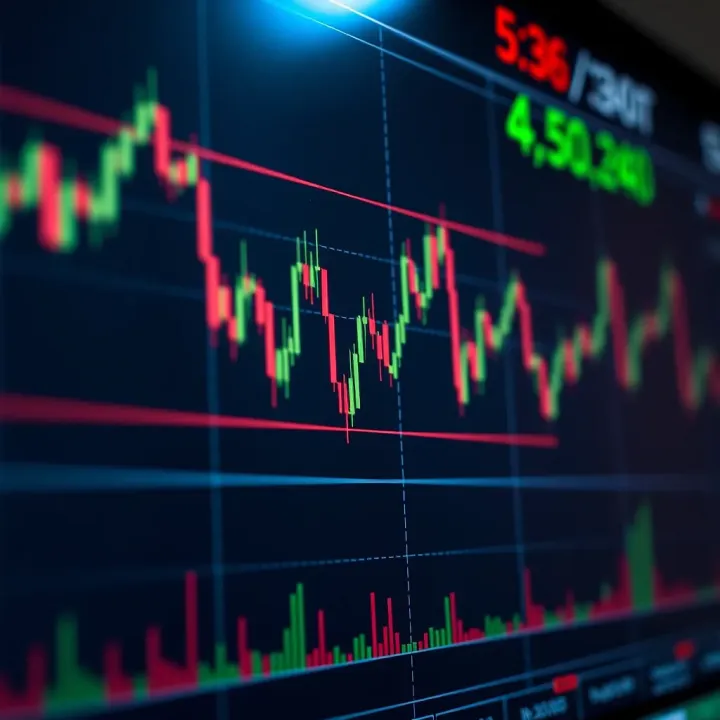
Guide to Trading Chart Patterns with Free PDFs
📈 Master trading chart patterns with our detailed guide for Pakistani traders! Get free PDFs to spot trends, improve strategies, and boost your market analysis skills.
Edited By
Isabella Kelly
Trading can feel like navigating a maze with countless pathways and hidden traps. For traders, brokers, investors, and analysts, staying sharp and informed is not just beneficial — it's essential. In Pakistan, where the market dynamics and economic factors can present unique challenges, having reliable learning resources is a game-changer.
Trading PDFs have become a popular tool because they condense valuable information into accessible formats. These documents can cover everything from beginner basics to advanced strategies, technical analysis, and market psychology.

This article zooms into why trading PDFs matter, what types you should consider, and how to get the most out of them. Whether you’re just starting out or you’ve been around the block a few times, understanding how to efficiently use these resources can give you a real edge in your trading journey.
"Not all knowledge is power — only the knowledge you actually use." — This guide will help you turn static PDFs into dynamic learning tools.
We’ll also look at:
Different kinds of trading PDFs available for Pakistani traders
Practical tips on organizing your library of PDFs
Trusted sources to find quality materials
How to apply the information effectively in real trading decisions
By the end, you’ll have a clearer roadmap for using trading PDFs as part of your learning toolkit, helping you stay informed and make smarter moves in the market.
PDFs have carved out a solid place in the world of trading education, mainly because they deliver information in a reliable, easy-to-manage format. They’re like the digital notebooks traders turn to when they want both depth and convenience. From beginners trying to grasp basic concepts to seasoned traders refining their methods, PDFs offer a flexible way to engage with materials—anytime, anywhere.
The strength of PDFs lies in their universal compatibility and consistent formatting, which traders in Pakistan especially appreciate given the varied range of devices they might use, from smartphones to laptops. Imagine a trader commuting in Lahore, studying a downloadable strategy outline on their phone without worrying about spotty internet. This accessibility makes trading education less of a hassle and more of a steady, manageable process.
PDFs boast several learning perks. First, their fixed layout preserves charts, graphs, and text uniformly across devices which avoids the headache of distorted content — crucial for accurate interpretation of market data. Traders can also highlight, comment, and bookmark directly inside a PDF, turning static pages into interactive study tools. For example, a forex trader might annotate a tutorial on currency pairs to quickly remind themselves of key pivot points during live sessions.
The ability to add personal notes within PDFs turns them into an active learning companion, not just a passive read.
One of the biggest draws of PDFs is how portable they are. You can carry a library’s worth of guides, reports, and trading plans inside your pocket without lugging around heavy textbooks. PDFs open on almost any device — be it a smartphone, tablet, or desktop — without needing special software. This means traders in smaller cities with intermittent connectivity can still access vital educational content smoothly.
Offline availability is more than just a convenience; it’s a game changer. Once downloaded, PDFs don't demand an internet connection to open. This is a prized feature for Pakistan traders who might deal with unreliable networks. Picture a day-long train trip between Karachi and Hyderabad; a trader can review market analysis reports or brushing up on technique without fretting over signal loss.
Trading PDFs come in many shapes and sizes, each catering to different needs:
These are the bread and butter of trading knowledge. Usually structured to teach fundamentals, educational guides cover a range from basic market concepts to advanced day trading techniques. For instance, a PDF on technical analysis might walk a reader through candlestick patterns using real-life examples clipped from the Karachi Stock Exchange.
These PDFs serve as blueprints for trading success. They include detailed step-by-step plans, setups, entry and exit criteria, and risk management tactics. A document might outline a breakout strategy tailored for the volatile environment of the Pakistani equity market, helping traders maintain discipline.
Regular updates in PDF form provide snapshots of current market conditions, economic factors, or sector-specific insights. Pakistani traders often rely on reports from established sources like Bloomberg or Reuters, converted into easy-to-digest PDFs for offline reading and reference.
Trading is riddled with jargon. Having a concise glossary PDF on hand can be a time-saver. These lists decode terms like "stop-loss," "leverage," or "bid-ask spread," ensuring traders don’t get lost in complicated language as they navigate reports or tutorials.
By understanding these various PDFs and their specific uses, traders can build a solid library that fits their style and learning pace. It’s about matching the right tools with your trading goals and day-to-day realities.
Finding reliable trading PDFs is a game-changer when it comes to improving your trading knowledge. In today's world, anyone can upload a PDF and call it educational, but not all sources are trustworthy. Spotting dependable material is crucial to avoid wasting time on misleading info or, worse, falling into trading scams. Authentic PDFs ensure you're learning strategies grounded in reality and current market trends, which can make a big difference in your approach.
Websites run by known financial institutions, brokerage firms like HBL Securities or JS Global Capital, and stock exchanges often share free or paid PDFs with highly reliable trading content. These platforms typically vet the information before publishing it since their reputation is on the line. For example, a PDF guide on basic equity trading from the Pakistan Stock Exchange website will hold more weight than something randomly found online.
By visiting these sites, traders can access detailed strategy outlines, updated market reports, or official trading rulebooks. It's a good idea to bookmark trusted sites and check periodically for new releases or policy changes.
Communities like TradingView forums or Facebook groups focused on Pakistani stock market traders can be valuable sources for PDFs. Members frequently share educational materials, trading plans, and market analysis documents. While some content here is peer-reviewed by active traders, caution is needed as the vetting process is informal.
One practical tip is to follow respected community members who consistently provide high-quality insights. Engaging in discussions can also help clarify the context of a PDF, whether it's outdated or still valid. This makes forums a dynamic source but always double-check materials you find here.
Websites dedicated to trading education, such as Investopedia or BabyPips, offer a trove of PDFs like compact guides, glossary sheets, and strategy tutorials. These portals focus on teaching fundamentals and often update their content with changing market conditions.
Though some advanced trading strategies may not be fully covered, educational portals are perfect for both beginners looking for structured learning and intermediate traders wanting to fill gaps in their knowledge. Subscribing to newsletters from these portals can ensure you catch new material without searching afresh every time.
Always take a peek at when the PDF was published and who wrote it. Financial markets evolve rapidly, so a guide from 2010 might be outdated. Also, knowing the author's background helps gauge trustworthiness. For instance, PDFs authored by certified traders or financial analysts like those with CFA certification impart more confidence in their reliability.
If the author is anonymous or lacks clear credentials, approach the material carefully and look for additional verification.
If available, feedback from other readers can provide quick insights into a PDF’s usefulness. Platforms like brokerage websites often allow users to rate or comment. Consistently positive reviews hint the document is valuable, while a series of complaints or criticisms signals you should steer clear.
Don’t hesitate to check reviews across multiple platforms or forums to form a fuller picture.
Never rely on a single source. Cross-checking key points from one PDF with other well-known, trusted resources guards against misinformation. For instance, if a trading strategy detailed in one PDF drastically differs from market reports by the Pakistan Mercantile Exchange or analysis from veteran brokers, that’s a red flag.

Keep a collection of go-to trusted documents and compare new materials against them to verify accuracy.
Remember, when it comes to trading PDFs, better safe than sorry. Ensuring your materials come from real experts and verified sources saves you from costly mistakes down the line.
By using these practical steps to find and vet trading PDFs, Pakistani traders can build a solid library of helpful resources to keep sharpening their skills without falling for traps or outdated information.
Keeping your trading documents tidy isn’t just about neatness—it directly impacts how quickly and easily you can find the info you need. Imagine you’re deep into research for a strategy adjustment ahead of market open, but your PDFs are scattered all over your device with random names and no system. That’s a recipe for frustration and lost time.
By organizing and managing your PDFs effectively, you streamline your workflow, reduce decision fatigue, and ensure your learning and trading efforts are uninterrupted. This isn’t just about throwing files into folders; it’s about creating a system that works for your style and trading goals. From naming files clearly to using software that syncs across devices, every step builds toward boosting your daily efficiency.
Having a clean folder system helps you avoid drowning in clutter. Try dividing your PDFs into clear categories like "Trading Strategies," "Market Reports," "Glossaries," and so on. Then, within those, organize by theme or date—for example, "2024_Q2_Strategy_Review."
Good naming saves headaches later. Use consistent labels like date, content type, and author (e.g., "2024-04_ElliottWaveBasics_Jones.pdf") so you can spot what you need in a glance. This also helps when syncing files or sharing with peers.
Relying on basic folders isn’t always enough. Tools like Adobe Acrobat, Foxit Reader, or even Mendeley offer features beyond storage, such as keyword search, batch renaming, and easy annotation. For traders juggling many documents, apps like Zotero or PDF Expert can make managing a large library less of a chore.
Besides saving time, these programs can sync your notes across desktop and mobile, so reviewing strategies on-the-go becomes effortless.
Tags act like digital Post-its, letting you flag critical info so it pops up when you search. For example, tag PDFs with keywords like "risk management," "Fibonacci," or "intraday strategies."
Some management apps let you create custom tags or color codes. By marking essential data this way, you turn a hefty stack of PDFs into a smart resource kit where you won’t get lost hunting for that one nugget of information.
Most PDF readers now come with built-in tools for annotation—highlighting, underlining, sticky notes, even drawing shapes. For traders, capturing live thoughts during review is invaluable. Think of reading a strategy PDF and instantly jotting down "Test with only 0.5 lot size first" in the margin.
Apps like Adobe Acrobat or Xodo are pretty user-friendly here, enabling quick notes without breaking your reading flow.
Highlighting key strategies or important data points lets you revisit them later fast. Don’t overdo it—focus on the core elements like entry rules, exit criteria, or specific market conditions.
For example, you might highlight the "stop loss" setting text in yellow and mark notes on volatility conditions in blue. This color-coding helps skim through pages during intense pre-market sessions.
Besides annotating, it helps to create condensed summaries outside the PDFs as cheat sheets—maybe a plain text or spreadsheet file with bullet points of key strategies or trade setups.
These sheets serve as quick reminders when you need to act fast and can link back to your detailed PDFs for deeper dive when time allows. Many traders keep a “cheat sheet” binder or digital notebook synced with their PDFs—for example, a two-page overview of their favorite setup parameters.
Efficient organization paired with smart annotations turns a pile of trading PDFs from a passive resource into an active trading companion. This can save hours, prevent mistakes, and sharpen your focus on the real opportunities in the market.
Mastering these habits will make the vast world of trading knowledge manageable, especially if you're aiming for consistent gains instead of getting lost in endless reading.
Trading PDFs serve as valuable tools for developing and honing your trading strategies. They offer a structured way to digest complex concepts, study real-world examples, and keep updated on market trends. By tapping into this resource, traders can avoid guesswork and base decisions on proven information. In Pakistan's evolving market, where access to reliable insights isn't always straightforward, PDFs offer a portable and accessible means to learn and adapt.
Case studies break down real trades and market moves step-by-step, showing what worked and what didn’t. For example, a PDF might detail how a trader capitalized on a sudden rupee fluctuation using a swing trading strategy. Reviewing such cases helps readers see theory in action and understand risk management, entry and exit points, and emotional discipline. This direct exposure to practical scenarios is far more instructive than abstract theory alone.
Trading PDFs typically cover various strategies, from day trading to long-term investing. Having multiple strategies side-by-side allows traders to compare risk levels, time commitments, and profit potential. For instance, you might weigh scalping's fast pace against position trading’s patience. This comparison helps traders select or combine strategies that fit their personal style and market outlook. Without this clear contrast, it's easy to get lost or try a one-size-fits-all approach that doesn't align with individual goals.
Markets never stand still, and neither should your strategy. PDFs featuring recent analyses of Pakistan's stock exchange, currency movements, or commodity trends offer fresh perspectives. A 2024 report on textile sector performance, for example, might highlight emerging opportunities related to export policies. By carefully studying these reports, traders can spot shifts early on and adjust their tactics accordingly.
Reading fresh insights is only half the battle; the other half is applying them. After digesting a new report, traders should revisit their trading plans - what to buy, when, and how to manage risk. This could mean tweaking stop-loss levels, altering position sizes, or even shifting focus to different instruments based on recent forecasts. Keeping plans dynamic and responsive to the latest data is key to staying competitive and avoiding costly mistakes.
Effective use of trading PDFs isn’t just about gathering info—it's about thoughtfully applying and adjusting strategies in response to new knowledge and market conditions. This process turns static documents into active guides for success.
By strategically leveraging trading PDFs, professionals can build smarter strategies and continuously refine them as markets evolve, turning learning material into actionable trading edge.
When diving into trading PDFs, it’s easy to overlook legal and ethical boundaries, but these aspects matter a lot. Understanding what’s allowed and what isn’t protects not only you but also the integrity of the broader trading community. Imagine downloading a shiny PDF packed with strategies, only to find out later it was pirated or full of sketchy info—that wastes your time and could land you in hot water.
Respecting these boundaries ensures that the educational content remains reliable and creators are fairly compensated. This builds trustworthiness in the resources you use and keeps your learning path clean and legitimate.
Sharing PDFs without permission might seem harmless, especially in trading circles where knowledge is power, but it crosses a legal line. Unauthorized distribution means copying or spreading materials without the original author or publisher’s okay. Doing this can lead to copyright infringement accusations, which carry fines or legal actions.
Practical tip: If you find a valuable PDF, don’t just forward it on WhatsApp groups or forums. Instead, encourage your peers to download it from the legit source or buy the official version. This simple habit respects the author's hard work and keeps you clear of trouble.
Whenever possible, pick PDFs that come directly from recognized sources—brokerage firms like IG Markets, or financial education platforms such as Investopedia or the Pakistan Stock Exchange’s official publications. Licensed materials usually have total accuracy and up-to-date info, which is vital in a fast-evolving market.
For example, many brokers release trading strategy PDFs filled with legit insights and tips tailored to the current Pakistani market regulations. Purchasing or downloading these official docs gives you peace of mind and trustworthy content.
Unfortunately, the web is full of PDF files claiming to have “guaranteed winning strategies” or “insider secrets.” Such claims usually wave red flags. Scam PDFs often promise quick riches but lack concrete explanations, proper data, or reputable authorship. They may also have spelling mistakes or poor formatting, which could hint they're rushed or fake.
A good rule of thumb is to examine the writing style and credentials. If a document’s author is unknown or indications seem off, give it a second look. Don’t blindly trust flashy claims that sound too good to be true.
Take every piece of advice you come across in PDFs and run it against trusted sources—think official stock exchange reports, verified financial news outlets like Bloomberg, or recognized market analysts in Pakistan. This cross-check guards you against falling for false hopes or bad tips.
Before tweaking your strategy based on a PDF, check if the data or technique aligns with broader market realities. Getting feedback from experienced traders or financial advisors can also help filter through noise and focus on actionable insight.
Staying on the right side of the law and using reliable info isn’t just about following rules; it’s about making smart trading decisions based on solid, trustworthy education.
By keeping these legal and ethical considerations front and center, you protect yourself while building a strong foundation of knowledge for your trading activities.
In today's fast-paced trading environment, relying solely on printed materials or simple PDF readers isn't enough. Efficient handling of PDFs can substantially boost a trader's learning and decision-making process. Technology offers many solutions that go beyond just reading — traders can now highlight, annotate, synchronize, and even integrate PDFs seamlessly into their trading habits. Understanding these tools helps traders in Pakistan and elsewhere to stay organized, save time, and make smarter choices.
Traders need to interact with PDFs in a way that supports quick learning and easy reference. Good PDF software should allow:
Highlighting and Annotations: Marking essential strategies, market trends, or key terminologies directly on the document saves time flipping pages.
Search Functionality: Jump straight to relevant sections or keywords without scrolling endlessly.
Note-Taking: Writing side notes helps to capture personal insights or questions for later review.
Bookmarking: Quickly access frequently referenced parts, like specific trading plans or analysis.
Version Control: Track changes or updates to your trading documents as markets evolve.
For example, Adobe Acrobat Reader DC offers all these features with a smooth interface, while Foxit PDF Reader is lighter and great for fast annotations. For Linux users, Okular provides essential markup tools without hogging system resources.
Traders are often on the move, and having PDF tools on both desktop and mobile is essential. Mobile apps like Xodo PDF Reader & Editor provide real-time annotation and syncing capabilities, so you can mark up trading reports on the go. On desktops, Nitro PDF Pro combines powerful editing with easy integration into Windows workflows.
Most trading apps, including MetaTrader or TradingView, don't handle PDFs natively, so using dedicated PDF apps side-by-side keeps learning smooth. Many apps support cloud syncing (Dropbox, Google Drive), ensuring you don't lose your notes switching devices.
Synchronizing PDFs with your trading platform isn't about uploading the file into the app but rather about making sure your reference material is readily accessible when making trades. Many traders keep PDFs linked or organized alongside their trading software folders, accessed instantly when strategy review or market analysis is needed.
Tools like Microsoft OneNote or Evernote let you attach PDFs to trading notes, so everything you need is bundled together. This synchronization reduces workflow interruptions and helps keep your trading decisions data-backed.
Market data tools like Bloomberg Terminal or TradingView charting software provide real-time financial info. PDFs act as a complementary resource when you need deeper background, detailed explanations, or strategy summaries.
For example, while monitoring live price action on TradingView, a trader might flip to a PDF strategy guide to compare signals or risk management techniques. Using split-screen features on your device or multiple monitors enhances this setup. This way, learning materials and market data support each other seamlessly, improving analysis quality and execution speed.
Integrating PDFs thoughtfully into your daily routine is less about storing more info and more about using what you have smarter. Choosing apps and syncing methods that suit your style makes a tangible difference in trading efficiency.
By equipping yourself with the right technological tools, you turn static PDFs into interactive, dynamic assets that support your growth as a trader and investor, especially in markets like Pakistan where offline accessibility and quick decision-making matter most.
Starting out in trading can feel like drinking from a firehose, especially when you're armed with PDFs packed full of jargon, charts, and strategies. That's why having a clear approach to using these PDFs is essential. For beginners in Pakistan or anywhere else, the key is to focus on digestible, reliable content without getting overwhelmed. These tips will help newcomers turn those hefty documents into practical knowledge.
Focus on foundational concepts
It's tempting to jump straight into complex strategies or advanced charts, but this often leads to confusion and frustration. Beginners should first zero in on basic terms and concepts like "market orders," "stop losses," and "candlestick patterns." For example, an introductory PDF on stock market basics from a reputable broker is a good starting point. These fundamentals build a sturdy base on which all other knowledge stands.
Building understanding step-by-step
Learning trading is a gradual process. Don't rush through several PDFs at once. Instead, digest one topic fully before moving on. Imagine learning how to drive: you start with brake and accelerator basics before hitting busy highways. Similarly, start with PDFs explaining market types, then shift to trading hours, then to risk management. Breaking down learning helps retain info and actually apply it in real trades, avoiding common pitfalls.
Selecting relevant PDFs
Not all trading PDFs are created equal, and some might be outdated or too advanced for your current skill level. Instead of hoarding every document you find, pick resources that directly address your learning goals. For instance, if you’re interested in Forex, focus on PDFs dedicated to currency pairs and volatility patterns rather than broad, general guides. This targeted approach helps you gain quality knowledge without drowning in irrelevant details.
Balancing reading with practical trading
Reading is just one piece of the puzzle; actual practice is where the rubber meets the road. After reviewing a PDF section on technical indicators, try applying those in a simulation or demo account. This hands-on balance deepens your understanding and keeps you engaged. It's like learning a language: reading grammar rules is helpful, but only practicing conversation makes you fluent.
Remember, the goal of using trading PDFs isn't to amass piles of information, but to build practical skills that guide your trades with confidence.
Mastering these beginner tips can make all the difference, setting a strong foundation for a trader’s journey and ensuring PDFs are a helpful tool rather than a source of confusion.
For seasoned traders, trading PDFs are far more than just basic learning tools—they’re critical assets that help refine strategies and share insights. As experience grows, traders seek ways to interact deeply with these resources, making the content their own or expanding its value through collaboration. This section highlights how advanced traders can customize PDFs according to their unique trading style and also use these documents as a means of collaboration within their networks.
Creating personalized notes and strategy annotations is a must for experienced traders. While a fresh trader might just skim through a PDF, an experienced one dives deeper, marking entries that fit their strategy or noting down market conditions that could alter signals. Using PDF tools like Adobe Acrobat or Foxit Reader, traders can highlight, underline, and insert comments directly onto charts or formulas in a document, making the resource a tailored playbook. For example, a day trader focusing on scalping might annotate moments of high volatility described in a PDF and note which indicators worked best during those periods in their own file. This focused approach speeds up review time and improves the decision-making process.
Combining multiple documents for holistic approaches enriches the trader’s perspective. An experienced trader doesn’t limit themselves to a single PDF; they compile reports on technical analysis, fundamental analysis, and market psychology all in one place. Through software like GoodReader or PDF Expert, traders can merge multiple PDFs into one comprehensive file, allowing a seamless flip between strategy explanation and recent analysis reports without losing context. This practice is especially useful when planning trades around earnings seasons or geopolitical events affecting currency pairs. By having everything integrated, traders save time and see the bigger picture clearly.
Using PDFs in trading groups is a practical way to speed up collective learning and decision-making. Many trading communities in Pakistan and abroad use group chats or forums to exchange and discuss PDFs of new strategies or market outlooks. Sharing annotated PDFs allows group members to see not only the original content but also personalized insights. It’s like passing around a signed playbook that everyone can learn from and critique. This method enhances understanding and can lead to the refinement of strategies as different viewpoints emerge.
Communicating strategies and findings effectively through PDFs makes complex ideas easier to share. When a trader wants to explain a particular tactic or back-test results, a well-prepared PDF serves as a clear, portable medium. Incorporating charts, detailed notes, and examples within the document helps convey the message precisely without the noise of casual conversation. For instance, a trader analyzing the Pakistan Stock Exchange might package their findings from various PDFs and their own data to present a straightforward recommendation to partners or clients. Clear communication avoids misunderstandings and supports confident trading decisions.
Remember, the power of trading PDFs grows when you don’t just consume content but actively shape and share it with others. Experienced traders can transform static documents into dynamic repositories of their evolving skills.
In short, mastering advanced uses of trading PDFs—customization and collaboration—allows experienced traders to stay sharp, organized, and connected while navigating ever-changing markets.
📈 Master trading chart patterns with our detailed guide for Pakistani traders! Get free PDFs to spot trends, improve strategies, and boost your market analysis skills.

📈 Learn how to trade cryptocurrency in Pakistan with practical tips on strategies, risk management, legal rules, and navigating the local crypto scene.
📈 Discover a practical guide to online trading in Pakistan. Learn market types, key tools, strategies, and risk tips to trade smarter and safer today!

📊 Explore trading on Quotex with our guide tailored for Pakistan! Learn account setup, trade types, risk tips, strategies & legal insights to trade smart.
Based on 8 reviews