
Understanding Trading Demo Accounts: A Practical Guide
📊 Learn how trading demo accounts help beginners practice without risk. Discover features, tips, and smooth your shift to live trading with ease.
Edited By
Daniel Hughes
A demo trading account offers a risk-free environment for traders to sharpen their skills without putting real money on the line. This practice tool is particularly useful for both new entrants and seasoned professionals who want to test strategies, understand market behaviour, or familiarise themselves with trading platforms.
In Pakistan, where the trading landscape can be volatile and market variables like the PKR exchange rate, SBP regulations, and compliance requirements quickly change, demo accounts serve as a practical way to build confidence. You get to experience real-time trading conditions without any financial exposure, making mistakes less costly as you learn.
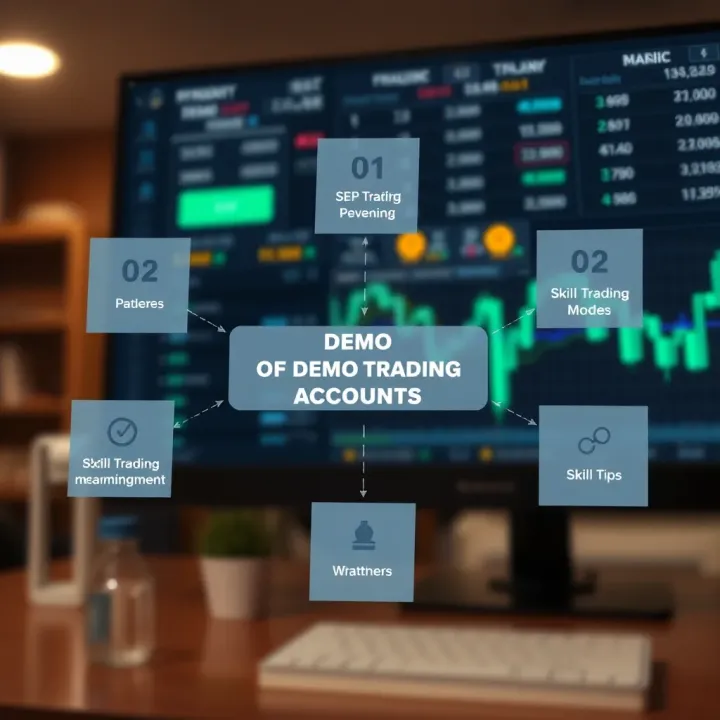
Simulated Market Conditions: Demo accounts mirror the prices, charts, and even trading volumes of live markets, though without actual transactions. This helps traders adjust to the speed and unpredictability of markets.
No Financial Risks: Since there's no real money involved, you can take calculated risks and experiment with different instruments such as stocks listed at the Pakistan Stock Exchange (PSX), forex pairs involving PKR, or commodities like gold without fear of loss.
Platform Familiarisation: Pakistani traders can use demo accounts to navigate popular platforms like MetaTrader, Thinkorswim, or local broker interfaces. This exposure helps avoid mistakes when switching to live trading.
Using a demo account is like riding a rickshaw on a practice track — you feel the twists and turns but without the risk of falling off the road.
Most Pakistani brokers provide free demo accounts requiring minimal setup, often only a valid CNIC and mobile number. Traders can easily move from demo to live accounts once confident, though it is wise to remember that emotions in live trading can differ greatly from simulated practice.
Ultimately, a demo trading account forms the foundation of well-informed trading decisions by allowing persistent practice, strategic trial, and platform mastery. For local traders aiming to navigate Karachi, Lahore, or Islamabad markets, mastering the demo environment is the first step towards trading with real money efficiently and safely.
A demo trading account provides a simulated environment where traders can buy and sell financial instruments without risking real money. It acts as a bridge between learning and actual trading, especially in volatile markets like Pakistan’s stock exchange or Forex trading. Instead of jumping straight into the real market, using a demo account allows you to familiarise yourself with trading platforms, order types, and market behaviour without financial pressure.
Demo trading accounts serve as a practice ground for traders, offering a risk-free way to develop skills and test strategies before trading live.
A demo account replicates the live market environment using real-time data, but the trades involve virtual money, not real cash. This setup lets you experience market conditions closely similar to actual trading, including price fluctuations, bid-ask spreads, and order executions. For instance, if you’re tracking the PSX (Pakistan Stock Exchange), your demo account shows live updates so you can understand how the value of shares like K-Electric or Habib Bank Limited changes throughout the day.
This simulation matters because it removes the risk factor while giving you a chance to grasp how markets react during different times — say, during major economic announcements or geopolitical events impacting Pakistan's Forex rates. It’s like a flight simulator for pilots; no harm done if you make a mistake here.
The main appeal of demo accounts lies in their safety net. New traders often hesitate due to fear of losing money, which can cloud judgment. With a demo account, you’re free to explore trading strategies, whether day trading, swing trading, or scalping, without the consequence of financial loss. For example, you could try trading the PKR/USD currency pair during a surge caused by foreign remittances without risking any real cash.
Besides, you can use demo accounts repeatedly as your trading skills improve, helping you adjust to market changes or new trading platforms. This repeated practice builds a solid foundation before stepping into live trading.
Unlike live trading, where each trade affects your real capital, demo accounts use virtual funds solely for practice. This means you can make mistakes — even costly ones — without worrying about draining your bank balance. That said, this safety cushion can sometimes lead to different emotional reactions; traders might take higher risks in a demo because they don’t feel real pressure.
However, this risk-free environment is essential for grasping market mechanics and order execution flows without stress, especially for beginners struggling with loadshedding or unstable internet during critical market hours.
Demo accounts credit your profile with virtual money—typically a fixed amount such as $10,000 or an equivalent in PKR. You can use these funds to place buy or sell orders, manage a portfolio, and monitor balances as if you were trading with real money. While the numbers on screen look the same, no actual money changes hands.
This virtual fund mechanism helps traders learn budgeting and money management within trading. For example, a trader might allocate 5% of their demo balance to a particular stock and see how that risk level pans out. It instills discipline without the actual financial consequences.
In short, demo trading accounts provide an essential stepping stone for Pakistani traders aiming to navigate stock and Forex markets confidently, managing real risks only when fully prepared.
Demo trading accounts offer clear advantages for anyone wanting to understand trading better or try new approaches without risking real money. Whether you are a beginner learning the ropes or an experienced trader testing new tactics, demo accounts provide a practical and safe environment to build skills and confidence.
Understanding market orders and executions is fundamental for any trader. A demo account lets you place various types of orders like market orders, limit orders, and stop orders in real time. For example, in the Pakistan Stock Exchange (PSX), you can see how your market order is executed almost immediately at the current price, while a limit order waits patiently until a specific price is reached. Working with a demo account helps you grasp these differences clearly, which is often hard to imagine without actual market exposure.
Experiencing price movements firsthand is another key benefit. Markets are dynamic, influenced by news, economic reports, or even rumours. Watching price changes unfold on a demo account familiarises you with market volatility and trends. For instance, during earnings season of big Pakistani companies or after a policy announcement by the State Bank of Pakistan (SBP), price swings can be sharp. Observing these in a risk-free setup trains you to react wisely in real trades.
Evaluating different approaches without losses is crucial before risking your real money. Maybe you want to try day trading shares like TRG or long-term investment in oil and gas stocks. A demo account lets you test these strategies over days or weeks, seeing which works best under various conditions. Not losing a single rupee while experimenting removes the fear factor and promotes learning.
Adjusting tactics based on feedback is easier with a demo platform’s detailed trade history and analytics. You might notice that your stop-losses are too tight, getting you out of trades prematurely, or that you hold winners too long hoping for extra profits. Revising your plan based on this feedback develops better habits for actual trading where the stakes are real.
Reducing fear and hesitation is one of the toughest challenges new traders face. Demo trading familiarises you with order placement and platform operation, so the real environment feels less intimidating. Instead of panicking during sudden market falls, you learn to stay calm and stick to your plan.
Practising discipline and risk management is possible only when you actively control your trades. With virtual funds, you can practise limiting losses and securing profits using stop-loss and take-profit tools. This discipline is key to surviving and thriving in volatile markets like Pakistan’s, where unexpected events can cause sharp movements.
Using a demo trading account is not just about learning mechanics but cultivating smart habits and emotional control. It paves the way for more confident, informed decisions when you move to live trading.
In summary, demo accounts offer a practical path to understanding trading's complexities, testing ideas, and preparing psychologically. For Pakistani traders, these benefits translate into stronger foundations and fewer shocks when real money is involved.
Setting up a demo trading account in Pakistan is a crucial step for anyone aiming to understand trading without risking real money. It allows you to familiarise yourself with trading processes under local market conditions, testing strategies safely before committing any capital. The Pakistani market has its unique regulatory and technological environment, so knowing how to properly set up a demo account tailored to these specifics matters a lot.
When selecting a broker, you face the choice between local and international firms. Local brokers, such as those registered with the Pakistan Stock Exchange (PSX), often provide platforms more tuned to Pakistani regulations, offer customer support in Urdu or regional languages, and facilitate account opening using CNIC. They sometimes offer access to PSX-listed stocks and local commodities, which aligns well if you plan to trade in Pakistan’s specific markets.
International brokers might offer a wider variety of instruments like foreign currencies, indices, or commodities but come with challenges like compliance issues or restrictions imposed by Pakistan Telecommunication Authority (PTA) and State Bank of Pakistan (SBP).
Using PTA-approved platforms ensures your trading activities remain legal and uninterrupted. Firms with PTA approval comply with local telecom and internet regulations, reducing the risk of account suspension or platform blocks. Examples include brokers that operate under local licences or partnerships, offering demo accounts seamlessly accessible from within Pakistan.
Opening a demo account usually requires identity verification. In Pakistan, your Computerised National Identity Card (CNIC) serves as the standard identification. Using CNIC ensures compliance with both broker regulations and Pakistani financial rules. This also streamlines future upgrades from demo to live account, as the KYC (Know Your Customer) step is already completed.
Regarding tax registration, the Federal Board of Revenue (FBR) requires traders to have a National Tax Number (NTN) if they reach specified income levels from trading activities. While a demo account itself doesn’t generate taxable income, registering with FBR early can help when transitioning to live trading, keeping you ready for tax filing without delays.
Today, brokers offer both desktop and mobile apps for demo trading. Desktop platforms, such as MetaTrader 5 or proprietary software, provide advanced charting and analytic tools important for detailed strategy testing. On the other hand, mobile apps cater well to on-the-go traders, who need to track markets despite Pakistan’s frequent load-shedding or when travelling.
It's important to ensure the platform works smoothly over Pakistani internet connections, which can vary in speed and stability. Choose apps that require low data usage or support offline features where possible. Compatibility with widely available devices, including entry-level Android mobiles common in Pakistan, guarantees uninterrupted practice.
Overall, setting up a demo trading account keeping these factors in mind will give you a strong foundation for real trading in Pakistan’s market. This approach reduces frustration and helps establish disciplined trading habits aligned with local conditions.
Using a demo trading account effectively requires more than just placing trades with virtual funds. It’s about practising the right skills, tracking your progress, and treating the experience as closely as possible to real trading. By doing so, traders in Pakistan can build solid habits and reduce costly mistakes when they switch to live trading.
Setting clear trading goals before you start helps create discipline. For instance, you might decide to aim for a 2% monthly gain while risking no more than 1% of your virtual account per trade. This kind of target guides your decisions and avoids chasing unrealistic profits that often lead to losses. If you set risk limits on the demo account itself, it becomes a training ground that models responsible risk management, crucial in Pakistan’s volatile market environment.
Keeping track of your trades and outcomes in a journal allows you to see patterns and progress. You could note down entry points, stop-loss levels, and reasons for each trade’s success or failure. This log helps turn experience into learning, rather than random chance. Over weeks and months, analysing your winning and losing trades shows whether you are improving or need to revise your approach.
Demo trading is best when done during actual trading hours of the Pakistan Stock Exchange (PSX) or Forex markets. This ensures you encounter real-time price movements and market liquidity. For example, trading during PSX’s 9:30 am to 3:30 pm schedule allows you to deal with genuine volatility and market sentiment instead of flat or inactive markets that sometimes occur outside regular hours.
Market reactions to announcements like SBP interest rate changes or quarterly corporate results often shift prices sharply. Including these factors in your demo trading practice prepares you for sudden moves in live trades. For example, watching how the market responds to monsoon updates impacting agro-sector stocks adds realism to your strategy testing, helping you learn to factor external events into your decisions.
After each trading session, analysing your demo trades helps you spot errors without financial pain. For instance, you may realise you exited too early or ignored a key resistance level. Careful review helps build self-awareness and improves judgment.
The beauty of a demo account is the freedom to tweak your approach and try new tactics worry-free. If one strategy repeatedly underperforms during your demo sessions, you can refine or replace it without losing money. This trial-and-error approach deepens your understanding and gets you ready for real markets with tested methods.
Practising with a demo trading account as if you were handling real funds creates a smoother transition to live trading. It teaches discipline, research habits, and strategy adjustment—all essential to trading success.
Using a demo account wisely develops your skills step-by-step rather than rushing blindly into live markets. For Pakistani traders navigating PKR markets, this practical training reduces risk and builds confidence.
Demo trading accounts provide a useful platform for practising trading skills without risking money. However, users must understand their limitations to avoid unrealistic expectations when shifting to live trading. Recognising these boundaries helps manage risk and prepares traders for real market complexities.
Trading with demo accounts does not involve real money, so emotional stress is missing. This absence of pressure often leads traders to take risks they might avoid in live trading. For instance, a trader might place large orders or ignore stop-loss limits just because they are not losing actual cash. This detachment affects learning how to control emotions, which is crucial for successful live trading.
Because the stakes are virtual, traders tend to be more reckless or overconfident in demo accounts. They might enter and exit trades too quickly or ignore market signals, behaviours which differ from cautious strategies needed with real investments. This can create a false sense of skill, making adaptation to live conditions harder unless the trader consciously simulates disciplined decision-making in the demo environment.
Demo accounts often provide instant order execution at the displayed prices, while live trading involves variable execution speeds and price slippage due to market volatility. For example, during volatile sessions at the Pakistan Stock Exchange (PSX), an order placed might fill at a different price than expected. This can affect profit margins significantly and is not captured accurately in demo environments.
Some brokers limit the range of instruments available in their demo accounts. Popular instruments like Forex pairs or commodities might be included, but derivatives or margin products may be absent. This limitation restricts the ability to fully test strategies designed for the complete product suite, potentially leaving gaps once trading live.
Performance in a demo account doesn't promise similar results in the live market. The absence of real emotions and market frictions makes demo trading less challenging. Traders who score high profits in demos may face losses under live conditions, especially if they don't adjust for psychological and market execution realities.
Treat demo results as practice scores, not guarantees of live success.
Moving from demo to live trading requires caution. Starting with small capital and low-risk trades allows adjustment to emotional and execution differences gradually. Setting realistic expectations and continuing disciplined approaches reduce the chance of significant early losses. In Pakistan, beginners often combine demo learning with micro trading accounts offered by brokers to bridge this divide effectively.
Understanding these limitations helps new traders use demo accounts wisely—learning skills but staying grounded on their practical value and constraints.
📊 Learn how trading demo accounts help beginners practice without risk. Discover features, tips, and smooth your shift to live trading with ease.
📊 Discover how trading demo accounts work, their benefits and limits, tips for using them well, and stepping into live trading with confidence in Pakistan.
📊 Explore margin in trading—what it means, how margin accounts work, the risks, and key points for Pakistani traders to trade wisely and stay secure.
Learn how spreads in forex trading impact your costs 💹 Understand different spread types, market influences, and smart ways to manage fees effectively.
Based on 11 reviews