
AXS Price Prediction and Market Insights for 2024
Explore AXS price predictions for 2024 📈. Get insights on Axie Infinity Shards’ market trends, expert views, risks, and investment potential in crypto 🌐.
Edited By
Sophie Green
Bitcoin (BTC) remains one of the most active and unpredictable digital assets in the financial world. Predicting its price moves is challenging, yet crucial for traders, investors, and analysts in Pakistan aiming to make informed decisions in an increasingly volatile market.
Unlike traditional assets, Bitcoin’s price relies on a unique mix of factors. These include global regulatory developments, technological upgrades to the blockchain, shifts in market sentiment, and macroeconomic elements such as interest rates and currency fluctuations. For Pakistani investors, the local context—like currency depreciation and government policies towards cryptocurrencies—adds extra layers to consider.
Technical analysis forms the backbone of many Bitcoin price predictions. Traders often use chart patterns, moving averages, the Relative Strength Index (RSI), and Fibonacci retracements to identify potential entry and exit points. For example, a sustained breakout above a key resistance level might signal upward momentum. However, technical signals sometimes fail during extreme news events or unusual market behaviour.
Fundamental analysis also plays a role. Examining Bitcoin’s adoption rates, network activity, and upcoming events like protocol upgrades helps estimate its underlying value. The demand from institutional investors as well as retail speculators, particularly in emerging markets such as Pakistan, influences price swings.
That said, no price forecast is foolproof. Bitcoin markets often experience sharp rallies and sudden crashes due to sentiment-driven reactions. The regulatory stance by bodies such as the State Bank of Pakistan (SBP) and the Federal Board of Revenue (FBR) adds uncertainty. Keeping track of official announcements on digital currencies and taxation policies is essential for Pakistani investors.
Bitcoin trading in Pakistan requires a balanced approach combining solid technical methods with awareness of broader economic trends and regulations.
To help you navigate this complex environment, we’ll explore practical forecasting methods, recent market trends, and the challenges involved. Understanding these factors will equip you to spot risks and opportunities within the BTC market here in Pakistan.
Grasping how Bitcoin operates and what affects its market behaviour is key for anyone interested in its price prediction. Without this foundation, attempts to forecast BTC’s value risk being mere guesswork. For traders and investors in Pakistan, understanding Bitcoin’s core concepts and market forces helps manage risks and spot opportunities better.
Basic concept of Bitcoin: Bitcoin is a decentralised digital currency that runs without a central bank or single administrator. Users can send and receive payments peer-to-peer over the internet without needing intermediaries like banks. This eliminates traditional barriers like delays and transaction fees common in cross-border payments.
For example, a Pakistani exporter can receive Bitcoin payments directly from an international buyer, bypassing currency conversion and remittance delays typical of banking routes.
Blockchain technology overview: Bitcoin’s transactions are recorded on a blockchain — a public, distributed ledger maintained by many independent nodes worldwide. Each transaction batch forms a "block" that links securely to the previous one, creating an immutable chain.
This transparent ledger not only prevents fraud but also enables verification without relying on any one entity. In practical terms, it means trust comes from code and consensus, not an institution, which helps Bitcoin maintain its value independently.
Key characteristics affecting price: Bitcoin’s fixed maximum supply of 21 million coins creates scarcity, which strongly affects price. Unlike regular currencies, Bitcoin’s supply growth slows over time due to halving events that cut mining rewards in half roughly every four years.
Additionally, Bitcoin’s price tends to be volatile due to its speculative nature and relatively lower liquidity compared to fiat currencies. This volatility matters for investors as it affects timing decisions and risk management.
Supply and demand dynamics: Price moves as more people want to buy or sell Bitcoin. Since supply is capped and new coins enter the market slowly, rising demand can quickly push prices higher.
For instance, when major companies or institutional investors announce Bitcoin purchases, demand spikes and prices often jump. Conversely, increased selling pressure can cause sharp downturns.
Market sentiment and investor behaviour: Emotions like fear and greed often drive price swings beyond fundamentals. Positive news, endorsements by influential figures, or hype on social media can create buying frenzies even if fundamentals don’t fully support it.
In Pakistan’s retail market, awareness and sentiment shifts linked to global headlines tend to influence individual investors, leading to rapid price changes.
Market sentiment can sometimes outweigh technical or fundamental indicators, making it crucial to monitor social and psychological factors alongside data.
Regulatory developments in Pakistan and globally: Rules introduced by governments significantly impact Bitcoin’s price. Friendly regulations or adoption signals tend to boost investor confidence, while restrictions or bans create uncertainty and price drops.
Recently, Pakistan’s cautious stance on cryptocurrencies creates mixed signals, influencing local trading volumes. Global actions, such as China's cryptocurrency ban, cause ripple effects worldwide, including Pakistan’s market.
Understanding these factors helps investors anticipate shifts in demand or sentiment tied to policy changes, improving timing and strategy.
This section builds a clear picture of Bitcoin's nature and the key market forces at play. Next, exploring prediction methods will hinge on this foundational knowledge to interpret price movements effectively.
Understanding how to predict Bitcoin's price helps traders and investors manage risks and seize opportunities. While no method guarantees perfect foresight, combining different approaches offers a clearer view of BTC’s potential movements. This section unpacks three widely used strategies — technical, fundamental, and sentiment analysis — each catering to different market aspects.
Using charts and price patterns involves studying past price movements to anticipate future trends. Traders often look for shapes like head-and-shoulders or flags in price charts, which signal possible reversals or continuations. For example, when Bitcoin forms a "cup and handle" pattern on a daily chart, it may suggest a bullish breakout soon. This method offers a practical tool for timing entries and exits, especially in the fast-moving crypto market.
Popular indicators for BTC forecasting include tools like the Relative Strength Index (RSI), Moving Averages (MA), and Bollinger Bands. RSI helps identify if Bitcoin is overbought or oversold, influencing buying or selling decisions. Moving averages smooth out price data to highlight trends, guiding investors on whether to hold or exit. These indicators are widely accessible on Pakistani trading platforms such as Binance Pakistan and provide quick snapshots of market conditions.
Limitations of technical analysis must be recognised. This method relies heavily on historical data, which may not predict sudden news or regulatory changes affecting Bitcoin. Market manipulation and low liquidity phases can also distort signals. Thus, technical analysis alone can mislead traders, especially in volatile markets like cryptocurrency.
Evaluating network activity and adoption focuses on Bitcoin's actual usage rather than price alone. Metrics like transaction volume, active addresses, and number of new wallets indicate growing or shrinking interest. For example, a rise in active addresses in Pakistan during periods of economic uncertainty often hints at increased Bitcoin adoption as a hedge.
Impact of macroeconomic factors includes examining interest rates, inflation, and global monetary policies affecting Bitcoin demand. In Pakistan, changes in the State Bank of Pakistan’s policy rate or rupee fluctuations frequently sway investor sentiment toward BTC as an alternative asset. Likewise, inflation concerns push investors toward assets like Bitcoin.
Bitcoin halving events and supply shocks affect BTC’s scarcity. Halving reduces the reward miners receive, cutting new Bitcoin supply. Historically, halvings led to price increases, as seen in 2016 and 2020. Pakistani investors and analysts closely watch these events to adjust their predictions and trading strategies accordingly.
Social media and news influence shape Bitcoin's short-term price swings. Viral tweets, news about regulations, or stories of security breaches can move markets quickly. In Pakistan, platforms like Twitter and Facebook significantly impact retail investor behaviour, especially for novice traders closely following influencer opinions.
Retail investor behaviour in Pakistan tends to be driven by herd mentality, often reacting strongly to FOMO (fear of missing out) during price surges and panic selling during drops. Understanding this psychology helps anticipate sudden market swings and design better entry and exit points.
Fear and greed indices quantify market emotions by combining volatility, volume, and social media activity. High greed readings suggest overbought conditions, warning Pakistani investors against chasing prices aggressively. Meanwhile, fear often signals buying opportunities, allowing for more informed decisions.
Combining these approaches provides a balanced roadmap for navigating Bitcoin's unpredictable market. Each method fills gaps left by the others, helping investors in Pakistan build realistic expectations and stronger strategies.
Recent trends and performance patterns offer valuable insight into Bitcoin’s price movements. By examining how Bitcoin has behaved historically and recently, investors and analysts can better understand the factors driving fluctuations and prepare for possible future scenarios. For Pakistani traders, recognising these trends is especially important given the interplay between global markets and local conditions like regulatory changes and technology access.
Bitcoin’s history features distinct rally phases, where its price surged dramatically, often followed by sharp crashes. For instance, the 2017 bull run saw BTC soaring from under $1,000 to nearly $20,000, driven by speculative interest and growing mainstream attention. However, this was followed by a crash in 2018, dipping below $4,000, highlighting the volatility inherent in cryptocurrency markets. Such phases matter because recognising the signs of exhaustion in rallies or the onset of sell-offs helps investors avoid significant losses.
Bull and bear cycles in Bitcoin typically last several months to years, influenced by factors like halving events, regulatory shifts, and macroeconomic conditions. Comparing cycles shows patterns such as increased adoption during bull phases and market mistrust during bear phases. For example, the bull cycle after the 2020 halving event led BTC to cross $60,000, contrasting with prolonged low prices during previous bear periods. Understanding these cycles supports timing decisions in trading and long-term investment.
In 2023 and 2024, Bitcoin’s price showed sensitivity to global economic situations like interest rate changes in the US and geopolitical tensions affecting market risk appetite. When the Federal Reserve adjusted rates, BTC prices fluctuated as investors reassessed risk assets. For Pakistani investors, tracking such events helps gauge potential price moves, especially when local currency depreciation encourages interest in BTC as a hedge.
Region-specific developments impact Bitcoin differently compared to global trends. For example, regulatory scrutiny by Pakistan’s State Bank influenced trading volumes and local interest, while neighbouring countries' moves towards crypto adoption created spillover effects. Increased use of platforms like JazzCash to facilitate crypto transactions illustrates growing local integration. These dynamics mean investors must monitor not only global news but also Pakistan-centric regulations and adoption trends to make well-informed decisions.
Understanding recent trends and performance patterns not only reveals Bitcoin’s typical price behaviours but also provides practical cues for Pakistani investors aiming to navigate the volatile crypto environment more confidently.
Recognise rally and crash signs to manage risk
Compare bull and bear cycles for entry and exit timing
Stay updated on global economic triggers affecting BTC
Follow local regulatory and adoption shifts closely
In summary, recent trends and historical patterns together form a crucial toolkit for anyone analysing Bitcoin prices or planning investments in Pakistan’s crypto market.
Investing in Bitcoin in Pakistan requires more than just understanding price charts or global trends. Practical issues unique to the local environment can significantly affect investment outcomes. These include market risks, infrastructural challenges, and the choice of trading platforms, all of which can shape how investors manage their Bitcoin portfolios. Focusing on these elements helps investors make informed decisions and reduce avoidable losses.
Bitcoin’s price swings are notorious for their unpredictability. While global economic events influence BTC, local factors can amplify this volatility. For example, sudden regulatory announcements or changes in Pakistan’s foreign exchange policy may cause rapid price shifts, impacting investors who enter without sufficient caution. Such ups and downs require investors to be vigilant and prepared for market uncertainty.
Loadshedding and inconsistent internet access also pose practical hurdles. Bitcoin trading demands reliable connectivity, especially when quick decisions are necessary during volatile periods. Frequent power outages in parts of Pakistan can delay trade executions, causing missed opportunities or unintended losses. Investors should consider backup power solutions or mobile data plans with better network coverage to stay connected at all times.
Security remains a top concern in the cryptocurrency space. Pakistan has seen an increase in scams and fraud involving fake investment schemes, phishing, and unregulated exchanges. Protecting one’s digital assets with secure wallets and using established, PTA-approved platforms can reduce these risks. Additionally, investors should never share their private keys or sensitive information. Awareness of these threats is essential to avoid falling victim to fraud.
Setting realistic expectations is crucial. Bitcoin, by nature, is volatile, and price predictions often carry uncertainties. Investors in Pakistan should avoid expecting consistent profits and be ready for periods of downturn. Treating Bitcoin as a part of a diversified portfolio rather than a get-rich-quick scheme helps maintain a balanced investment approach.
Diversification and risk management go hand in hand with realistic expectations. Allocating capital across different assets, including conventional investments like stocks or real estate, can cushion the impact of Bitcoin’s fluctuations. For instance, rather than putting all funds into BTC during a rally, spreading investments can protect against sudden crashes.
Choosing local platforms for trading provides Pakistani investors with greater ease of access, quicker deposits and withdrawals, and support in local languages. Platforms like Binance Pakistan, Bitex, and local branches offering JazzCash or Easypaisa integration offer smoother transactions and better customer service. Opting for these reduces complications related to currency conversions and withdrawal delays common with international exchanges.
Practical awareness of market conditions, local infrastructure, and trustworthy platforms arms investors with the tools to navigate Bitcoin's volatile market more confidently.
By keeping these factors in mind, Pakistani investors can approach Bitcoin investment with more control and less risk, improving their chances of achieving favourable outcomes.
Explore AXS price predictions for 2024 📈. Get insights on Axie Infinity Shards’ market trends, expert views, risks, and investment potential in crypto 🌐.
📈 Explore ARB price forecasts with deep insights into trends, expert views, and risks. Get detailed analysis for smarter cryptocurrency investing in Pakistan.
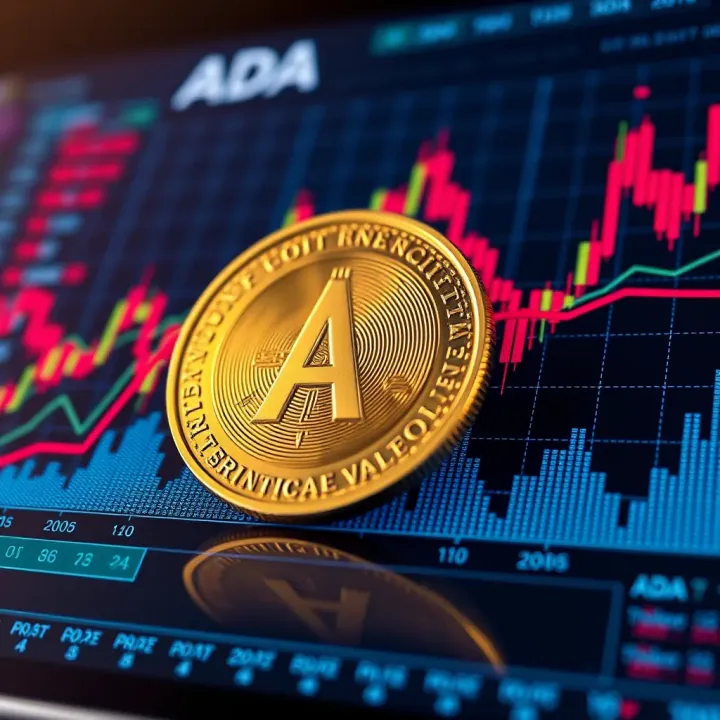
Explore ADA Coin price trends 📈, Cardano's tech, market insights, expert forecasts & risks to guide Pakistani investors in 2024 and beyond 💡.
📊 Explore XRP price trends, expert analysis, and market factors affecting crypto investments in Pakistan. Stay updated for smart decisions on XRP’s future!
Based on 8 reviews