

Bitcoin Cash Price Prediction: Outlook for Coming Years
Explore Bitcoin Cash (BCH) price trends 📈, key factors including regulations in Pakistan 🇵🇰, adoption rates, and expert analysis to guide your investments wisely.
Edited By
Sophie Wright
Bitcoin's price against the US Dollar (BTC to USD) remains one of the most closely watched indicators in global digital finance. Traders, brokers, investors, and analysts keep a sharp eye on this pairing, as it embodies the pulse of crypto market movements and investment sentiment worldwide.
Pakistanis increasingly join this global interest, especially with rising smartphone penetration, improving internet access, and platforms like local crypto exchanges making buying and selling Bitcoin more accessible. Yet, understanding the BTC to USD price dynamics is vital before investing or trading to avoid surprises in this volatile market.
Several key factors influence Bitcoin's value in USD. These include regulatory news from major economies, technological developments within the Bitcoin ecosystem, macroeconomic trends like inflation and currency weakness, and speculative trading patterns. For instance, a sudden tightening of cryptocurrency regulations in the US or China often rattles the market, affecting prices sharply.
Market analysts use varied methods for BTC price forecasting such as technical analysis, taking chart patterns and volume trends into account, and fundamental analysis, examining supply-demand and network activity. Sentiment analysis on social media and news also plays a growing role, as investor psychology can drive rapid price changes.
In Pakistan's context, traders must factor in the rupee's exchange rate fluctuations, remittance flows, and occasional disruptions like electricity loadshedding that may impact trading platforms or user access. Keeping these local variables in mind alongside international trends helps make more grounded decisions.
Practical insight: Long-term trends tend to follow Bitcoin's adoption growth and institutional interest rather than day-to-day price swings. Still, short-term volatility often presents trading opportunities.
This article breaks down BTC to USD price trends, explains forecasting approaches, and assesses prevailing risks. It aims to equip Pakistani readers with clear, actionable information to navigate Bitcoin's price movements with confidence.
Factors influencing BTC to USD pricing
Forecasting methods and their limitations
Recent price trends and market sentiment
Risks and opportunities specific to the Pakistani market
This overview forms the foundation for deeper analysis and future outlook sections ahead, ensuring you grasp the essentials before exploring more complex patterns and predictions.
Understanding how Bitcoin's price moves is key for anyone looking to navigate its market effectively. The cryptocurrency world is famously volatile, so grasping what drives these fluctuations helps traders, investors, and analysts make informed decisions instead of guessing blindly. This knowledge also protects against the risks that come with sudden price changes.
Supply and demand dynamics play a fundamental role in fixing Bitcoin’s price. There is a capped total of 21 million Bitcoins ever to be mined. This scarcity means the supply side is limited. When demand increases—say due to growing acceptance among businesses or institutional investors—the price tends to rise. Conversely, if demand drops, prices fall. For example, in 2017 when interest surged globally, Bitcoin's price shot up to nearly $20,000 but dropped dramatically when that excitement faded.
Market sentiment and investor behaviour are also powerful forces behind Bitcoin's price swings. Unlike traditional assets, Bitcoin’s market is heavily driven by how people feel about its prospects. Positive news, like a major company accepting Bitcoin or a regulatory easing, can trigger buying sprees. On the flip side, fear or panic selling creates sharp drops. During times of uncertainty, Pakistani investors might see prices drop suddenly because of global risk aversion affecting Bitcoin's demand.
Impact of regulatory developments cannot be overlooked. Governments around the world continuously assess how to regulate cryptocurrencies, and their decisions can significantly shift prices. For instance, an announcement in China banning crypto trading in recent years led to big price dips. In Pakistan, ongoing discussions about legal frameworks add to local investors’ caution, influencing demand and price direction.
Bitcoin has passed several major price milestones that have captured investor attention globally. From its early days worth mere cents to breaching $1,000 in late 2013 and soaring past $60,000 in 2021, these landmarks mark public interest surges and technological adoption phases. In Pakistan, awareness tends to spike after global milestones, driving new local investors into Bitcoin trading.
Bitcoin’s market also faces past volatility and correction phases regularly. Price corrections of 20-50% in short periods are common, reflecting Bitcoin’s speculative nature. These phases remind investors to be prepared for periods of falling prices and to consider risk management strategies. Observing past corrections helps in understanding that high gains often come with equally steep drops.
Recognising what shapes Bitcoin’s value and learning from its price history is crucial for anyone making predictions or investment moves. It helps understand not just where Bitcoin has been, but where it might go next.
Predicting Bitcoin's price requires a blend of different approaches to get a clearer picture of what might lie ahead. Traders and investors use technical, fundamental, and sentiment analysis methods to make educated guesses rather than relying on luck or guesswork. Each method brings its own strengths and challenges, so knowing how they work helps in making better decisions.
Chart patterns and indicators form the backbone of technical analysis. They help identify recurring shapes and signals in price charts, which can hint at future movements. For example, a "head and shoulders" pattern often signals a potential price drop, while "double bottoms" might point to a rebound. Indicators like the Relative Strength Index (RSI) or the Moving Average Convergence Divergence (MACD) measure momentum and trend strength, allowing traders to spot overbought or oversold conditions. These tools are especially useful for short-term traders aiming to time entries and exits.
Moving averages and trend lines smooth out daily price fluctuations to reveal underlying trends. A common practice is watching the crossover of short-term and long-term moving averages—such as the 50-day and 200-day—to signal buying or selling moments. Trend lines drawn on price charts act as support or resistance levels where prices might bounce or break through. This technical groundwork helps traders avoid reacting to random noise and focus on broader market directions.
Fundamental analysis looks at real-world factors influencing Bitcoin's value. Network activity and adoption rates are key here; rising numbers of active addresses, transaction volumes, or new wallet creations often indicate growing interest and demand. For instance, Pakistan has seen an uptick in crypto wallets after some remittance companies began integrating Bitcoin payments, which can push the price upward.
Macro-economic influences also play a role. Inflation rates, monetary policies by central banks like the State Bank of Pakistan, or global events like geopolitical tensions can increase demand for decentralised assets as hedges against uncertain currencies. Bitcoin’s reaction to inflation news worldwide often impacts its price in PKR terms, especially when the rupee weakens against the dollar.
Social media trends provide a pulse on public mood around Bitcoin. Discussions on platforms like Twitter, Reddit, or local Telegram groups in Pakistan can create waves of optimism or fear. Sudden spikes in mentions or hashtags related to Bitcoin often precede price swings, as crowd behaviour drives demand or withdrawals.
News impact and market reactions also influence short-term prices. Regulatory announcements in Pakistan or international headlines about exchange hacks, institutional investments, or government policies can stir price volatility. For example, when a major Pakistani bank hinted at exploring crypto custody, the increased confidence was reflected in a positive price movement.
Combining these methods helps investors develop a nuanced understanding rather than relying on any single predictor. Successful Bitcoin trading hinges on interpreting technical data alongside real-world signals and market sentiment. This comprehensive view is important for navigating the cryptocurrency’s famously volatile terrain.
Understanding the current trends influencing Bitcoin's price is key for investors, traders, and analysts aiming to make informed decisions. Bitcoin doesn't move in isolation; its price reacts sharply to shifts in the global economy, technological changes, and geopolitical events. Keeping a close eye on these trends helps anticipate market swings and identify opportunities or risks.
Rising inflation often nudges investors to look for alternatives beyond traditional currencies and assets. Bitcoin, with its capped supply of 21 million coins, is viewed by many as a hedge against inflation. When central banks, like the Federal Reserve or the State Bank of Pakistan, adjust interest rates or launch quantitative easing, these moves influence liquidity in global markets and thus affect Bitcoin demand. For example, during periods of low interest rates, investors may pour more money into crypto as traditional returns dwindle.
In Pakistan, where the rupee often fluctuates due to inflationary pressures and monetary policy shifts, Bitcoin can attract those seeking to preserve value. However, this demand faces hurdles due to local regulatory uncertainties, making it crucial for investors to watch both macroeconomic signals and policy changes closely.
Geopolitical tensions, such as conflicts, trade disputes, or sanctions, often create uncertainty in financial markets. Bitcoin can benefit as some investors treat it as a "safe haven" similar to gold. For instance, during recent global unrest or sanctions on countries, there was noticeable interest in Bitcoin in affected regions as a way to move wealth outside traditional financial systems.
That said, geopolitical events can also disrupt mining operations or exchange access, especially if they hit countries critical to Bitcoin infrastructure. Pakistani investors must consider these global factors since international turmoil can amplify price swings locally and globally.
Bitcoin's network capacity affects transaction speed and cost. Efforts like the Lightning Network aim to make Bitcoin payments faster and cheaper, which can encourage more everyday use and adoption. Improved scalability tends to boost investor confidence by addressing past criticisms about Bitcoin's usability.
For example, countries with limited banking infrastructure, including many parts of Pakistan, could benefit if these enhancements make Bitcoin payments practical for retail or remittance purposes. Upgrades that ease network congestion typically support positive price trends as they demonstrate Bitcoin's evolving utility.
Bitcoin’s security underpins its trustworthiness. Technological advances that strengthen network security or protect against hacks and fraud directly impact price stability. This might include developments in wallet security, anti-fraud protocols, or improvements in cryptographic algorithms.
Given Pakistan’s growing interest in digital assets, enhanced security reduces the risk of losses through phishing or exchange breaches, encouraging wider participation. When investors feel safer, market activity rises, sustaining or pushing Bitcoin prices upward.
Staying updated on both economic and technological trends is vital. These factors intertwine to shape Bitcoin's price trajectory—ignoring them increases investment risk.
In summary, global economic shifts, geopolitical events, network enhancements, and security upgrades form the backbone of current influences on Bitcoin prices. For anyone involved in the Pakistani market, understanding these trends with a local lens can guide better investment decisions and risk management.
Bitcoin price forecasting is inherently risky, as multiple unpredictable factors can cause sudden swings or changes in trend. Grasping these risks helps investors and traders make informed decisions, manage exposure, and avoid significant losses. This section breaks down key uncertainties affecting Bitcoin’s value, focusing on market volatility, influence of big players, and regulatory challenges both globally and within Pakistan.
Price swings and trading risks: Bitcoin is notorious for its high volatility. Price movements of 5–10% or more within a day are common, sometimes triggered by breaking news, macroeconomic shifts, or even social media chatter. For example, in early 2021, a casual tweet by an influential figure caused Bitcoin to surge tens of thousands of dollars in a matter of hours. Such rapid changes create both opportunity and risk but also make short-term predictions highly uncertain. Traders should expect sharp reversals and use risk management tools like stop-loss orders to protect their capital.
Impact of large market players: Institutional investors and whale traders—those holding very large amounts of Bitcoin—can heavily influence the market. When a single large holder moves or sells a significant portion, it can cause steep price drops. In Pakistan’s context, with increasing interest from HNIs (High Net-worth Individuals) and funds, these players add a layer of unpredictability. Unlike stock markets with more regulated insider trading rules, the relatively unregulated crypto market means large transactions often catch average traders off-guard, leading to abrupt price shifts.
Global and Pakistani regulatory outlook: Worldwide, countries continue to shape rules around cryptocurrencies, which directly affect confidence and usage. Recently, nations like the USA and some European countries tightened crypto regulations to curb money laundering and protect investors. Pakistan’s stance is cautious—while the State Bank of Pakistan prohibits cryptocurrencies as legal tender, it allows trading on unofficial platforms but with legal grey areas. This mixed environment can deter investment or cause sudden restrictions.
Potential legal restrictions: Legal uncertainty creates a big risk for Bitcoin holders and traders. Pakistan could enforce stricter rules, including banning crypto exchanges or introducing high taxes, which would impact liquidity and price demand. Globally, some governments have imposed outright bans or strict KYC (Know Your Customer) norms. Such moves often trigger sell-offs and price crashes. Investors need to stay updated on regulatory news and adapt their strategies accordingly to reduce exposure to legal surprises.
Understanding these risks lets investors prepare for the unexpected swings in Bitcoin prices rather than being caught unawares.
Keep track of major whale transactions through blockchain analytics platforms.
Follow updates from Pakistan’s regulatory bodies like SBP and SECP.
Use trading safeguards like stop-loss and position sizing.
Diversify investment to reduce dependence on Bitcoin volatility alone.
Expert opinions and forecasts serve as vital touchstones for anyone following Bitcoin’s price against the US Dollar. These insights come from seasoned traders, analysts, and financial institutions who study market patterns, economic indicators, and emerging trends closely. In Pakistan’s context, where Bitcoin remains relatively new but growing in interest, credible forecasts help investors gauge potential risks and rewards. For example, an expert’s short-term prediction can guide traders on when to enter or exit positions, while long-term views assist more conservative investors in planning their portfolios.
Predictions based on current data typically rely on recent market movement, trading volumes, and price actions. Analysts use technical tools like moving averages and Relative Strength Index (RSI) to identify potential price levels. This approach is practical for traders hoping to capitalise on Bitcoin’s characteristic volatility. For instance, if the RSI signals an overbought condition, short-term traders might anticipate a price correction soon.
Factors influencing upcoming months include macroeconomic variables such as inflation rates, interest rate decisions by the State Bank of Pakistan (SBP), and global events. Political developments or announcements around cryptocurrency regulations in Pakistan can also sway Bitcoin’s demand locally. Plus, any shift in US Federal Reserve policy affects international liquidity conditions, indirectly impacting Bitcoin’s price. Therefore, staying updated on these factors is key for anticipating near-term price changes.
Potential growth drivers for Bitcoin include broader adoption as a digital asset, institutional investment inflows, and technological improvements like the Taproot upgrade that enhances transaction efficiency. Globally, factors such as increasing distrust in fiat currencies or devaluation of the US Dollar might push Bitcoin’s value higher over the next several years. Moreover, Pakistani investors could benefit if remittance flows shift more towards cryptocurrency use, boosting local demand.
Challenges to sustained appreciation lie in regulatory uncertainty both worldwide and in Pakistan. Sudden bans, tougher KYC/AML (Know Your Customer/Anti-Money Laundering) measures, or crackdowns on exchanges can undermine confidence. Additionally, market manipulation by whales (large holders) and high volatility present threats to steady growth. Technical limitations such as network congestion or high transaction fees during peak demand periods also stall wider adoption.
Considering expert forecasts alongside these tangible factors can help investors make more informed decisions rather than relying solely on speculation or hype.
In summary, expert opinions offer actionable guidance for different time horizons. Short-term estimates suit active traders monitoring current data and economic indicators, while long-term forecasts highlight structural drivers and hurdles shaping Bitcoin’s future price against the USD.
Pakistani investors face a unique set of challenges and opportunities when considering Bitcoin price predictions. Local economic factors like rupee volatility and regulatory constraints directly influence how Bitcoin investments perform here. Understanding these local elements alongside global trends can give investors a clearer picture when planning their crypto portfolios.
The Pakistani rupee's value against the US dollar significantly affects Bitcoin's effective price in Pakistan. Since Bitcoin is globally traded in USD, a weakening rupee means Pakistani investors pay more rupees for the same amount of Bitcoin. For instance, if Bitcoin costs $30,000 and the exchange rate drops from Rs 280 to Rs 300 per dollar, the local cost rises by about Rs 600,000. This added forex risk can amplify Bitcoin's price volatility locally, making timing crucial for investors.
Moreover, during periods of rupee depreciation, some investors may turn to Bitcoin as a partial hedge, hoping to preserve value amid currency instability. However, this can also lead to surges in demand that distort price patterns typical on international exchanges.
Pakistan’s stance on cryptocurrencies remains cautious, with the State Bank of Pakistan (SBP) yet to fully legalise digital currencies for payments. Restrictions on banking channels for crypto trading mean many deals happen over peer-to-peer networks or offshore exchanges, increasing risks like fraud and price manipulation.
Investors must stay updated on regulatory announcements, as sudden policy shifts can cause sharp market reactions. For example, informal reports of potential bans have previously sparked panic selling. Engaging with platforms compliant with local laws and prioritising secure transaction methods helps mitigate these dangers.
Diversification remains a fundamental strategy to manage risk in volatile markets like cryptocurrency. Pakistani investors should balance Bitcoin holdings with other assets such as stocks listed on Pakistan Stock Exchange (PSX), government bonds, or even safer fiat deposits. This helps cushion against Bitcoin’s sudden price swings which, combined with local economic challenges, can be harsh on an undiversified portfolio.
Using small, consistent investments (dollar-cost averaging) rather than lump sums also reduces exposure to short-term fluctuations. Keeping an eye on overall portfolio allocation ensures crypto exposure aligns with risk tolerance and financial goals.
Rushing into Bitcoin investments based on hype or unverified predictions is a common trap. Investors should avoid chasing quick gains after price spikes or blindly trusting social media tips without proper research. Additionally, neglecting security measures—such as storing Bitcoins in unsecured wallets or sharing private keys—exposes one to theft and loss.
Another frequent mistake is ignoring transaction fees and taxes. Pakistani crypto investors should account for charges by local exchanges and be aware of possible tax implications. Being cautious and educated prevents falling victim to scams and prevents losses from oversight.
For Pakistani investors, blending local economic realities with informed strategies provides the best chance to navigate Bitcoin's ups and downs confidently and safely.
Explore Bitcoin Cash (BCH) price trends 📈, key factors including regulations in Pakistan 🇵🇰, adoption rates, and expert analysis to guide your investments wisely.
📈 Explore DYM price trends, growth potential, and risks in Pakistan's crypto market. Get insights tailored to Pakistani investors for informed decisions. 🇵🇰
💹 Explore SEI token price prediction with insights on market trends, expert views, and factors shaping SEI's future potential for Pakistani investors.
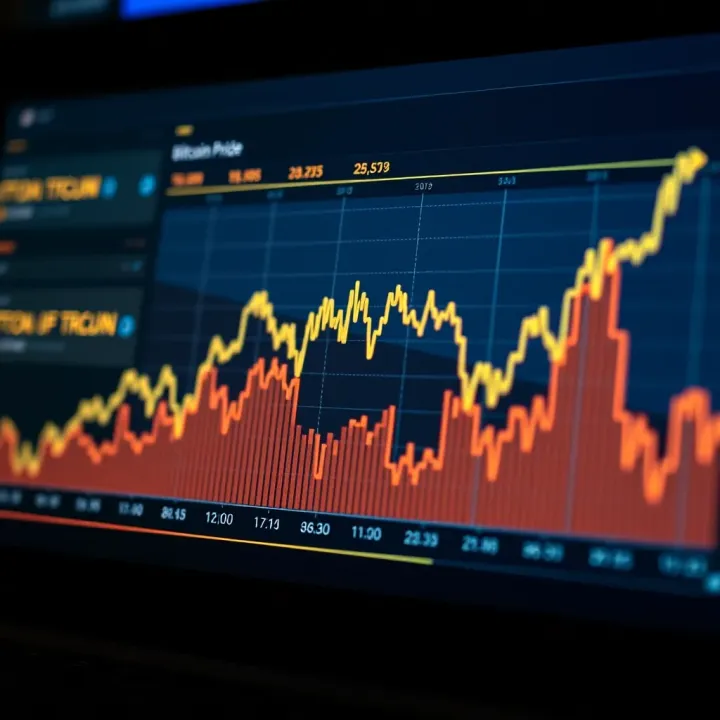
📊 Explore Bitcoin price trends, market analysis, and expert insights. Stay informed to navigate BTC investment in Pakistan's growing crypto market effectively.
Based on 9 reviews