
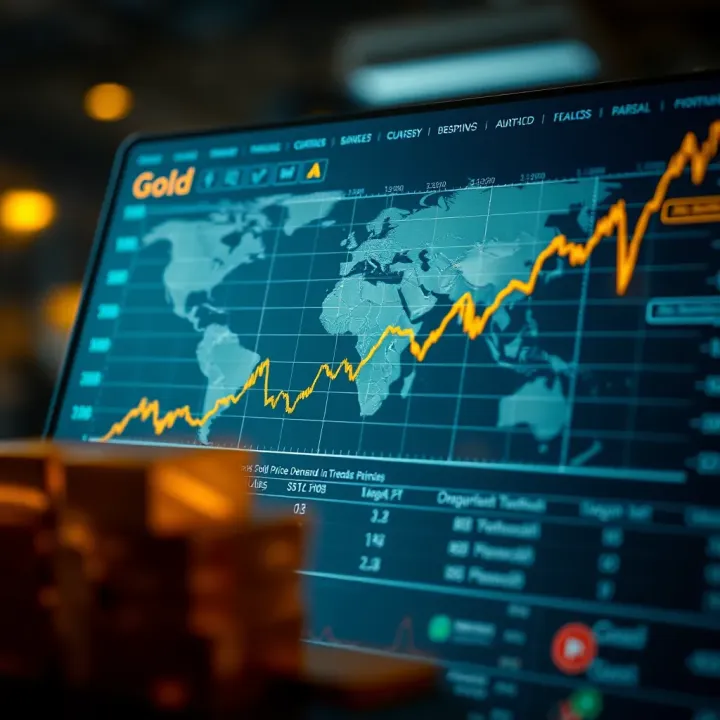
Gold Price Forecast in Pakistan: Trends and Outlook
Explore detailed gold price trends in Pakistan, including influences like PKR fluctuations, global demand, and economic factors 📈. Get practical forecasts for savvy investments.
Edited By
Laura Morgan
Gold has always been a preferred asset for investors in Pakistan, prized for preserving value amid currency fluctuations and economic uncertainty. Understanding the forces that shape gold rates in Pakistan is vital for traders, brokers, and investors aiming to make informed decisions.
The local gold price does not move in isolation; it rides on a mix of global trends and domestic factors. Internationally, gold is priced in US dollars, so its value is sensitive to the dollar’s strength, global inflation rates, and geopolitical tensions. For example, amid rising tensions in the Middle East or global financial instability, gold prices often spike as investors seek safety.
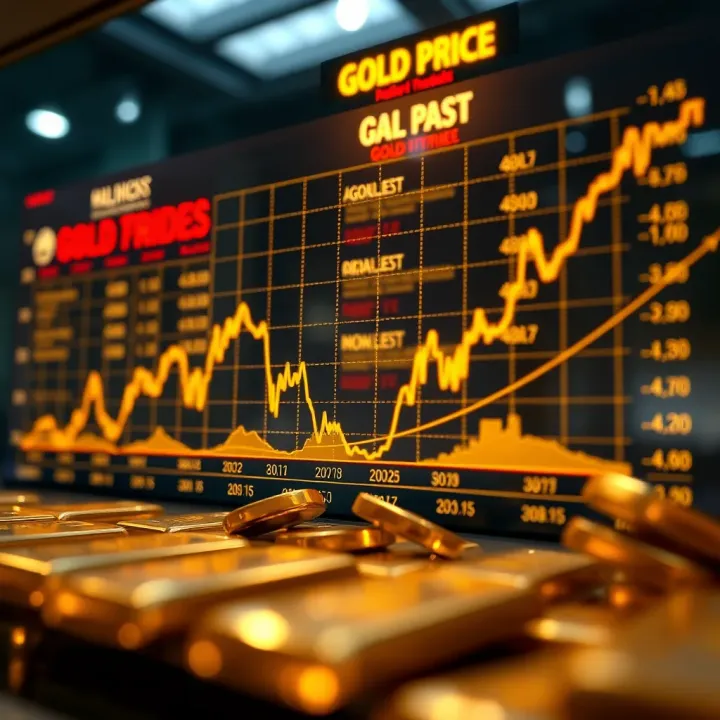
On the Pakistani front, the rupee's exchange rate against the dollar plays a significant role. When the rupee weakens, gold priced in rupees tends to rise. Additionally, government policies such as import tariffs on gold and customs duties can add layers to the final cost. The State Bank of Pakistan's (SBP) monetary policy, inflation rates, and overall economic climate similarly influence gold demand and prices.
Seasonal demand is another crucial driver. The wedding season, especially around March to June, usually sees gold prices firm as families increase purchases. Likewise, festivals like Eid often boost buying activity.
For investors and market watchers, keeping an eye on global economic data, SBP announcements, and local currency trends provides the clearest signals for gold rate movements in Pakistan.
To sum up, a mix of international market dynamics and domestic economic influences govern the gold rate in Pakistan. Understanding these helps stakeholders anticipate shifts and manage risk effectively.
Global gold prices depend on US dollar performance, inflation statistics, and geopolitical developments.
Pakistani rupee depreciation tends to push local gold prices higher.
Government regulations on import duties affect end-user prices.
Seasonal spikes correspond with weddings and religious festivals.
Economic indicators such as inflation rate and SBP policies provide insight into future trends.
This article will explore these factors in more detail, helping readers grasp the market’s pulse and plan their investments wisely.
Understanding the dynamics behind gold prices in Pakistan is essential for anyone involved in trading, investing, or analysing the market. Gold is not just a commodity but a traditional asset held by many Pakistanis as a safeguard against inflation and currency fluctuation. By grasping how gold pricing works, you can make more informed decisions on when to buy or sell, especially in a market influenced by both global shifts and local factors.
Over the past ten years, gold prices in Pakistan have shown significant fluctuations, often mirroring global movements but with added local twists. For instance, between 2014 and 2016, gold prices surged due to a weak Pakistani rupee and rising global demand. Later, prices stabilised somewhat but spiked again during times of economic or political uncertainty, such as the 2018 general elections and currency pressures in 2020. This historical pattern is a practical guide for traders and investors to identify periods of opportunity or risk.
Several key events have shaped gold prices in Pakistan. The rupee’s sharp depreciation against the US dollar generally pushes gold prices up since gold is priced internationally in dollars. Another example includes government import restrictions or changes in customs duties which increase costs for local dealers and consumers, directly affecting retail prices. Globally, geopolitical tensions, like the US-China trade war, also impacted local gold rates by driving global safe-haven demand.
Gold prices in Pakistan are heavily influenced by international markets where global gold rates respond to factors like US Federal Reserve interest rate decisions, inflation expectations, and the strength of the US dollar. For example, when the dollar weakens, gold usually gains value since it becomes cheaper for buyers using other currencies. Pakistani buyers and sellers closely watch these global trends because they set the benchmark price which local dealers generally follow, adjusted for currency rates and import costs.
Despite global influences, domestic demand and supply conditions play a crucial role in Pakistan. Gold buying spikes typically before major festivals like Eid and the wedding season, pushing prices higher due to increased demand. Conversely, government policies such as raising customs duties on gold imports can tighten supply, leading to price hikes. Local market liquidity, jewellers’ stock levels, and informal trading also affect prices. Understanding these factors helps investors time their moves according to predictable seasonal demands.
By focusing on these dynamics, traders and investors can better anticipate shifts in gold prices and align their strategies accordingly.
Gold price fluctuations in Pakistan are linked closely to a mix of local and international factors. Understanding these drivers helps traders and investors anticipate market movements and make informed decisions. Below, we explore key elements shaping gold rates in the country.
The Pakistani rupee's value against the US dollar directly influences the gold price in local currency. Since gold is priced internationally in dollars, any depreciation in the rupee makes gold costlier locally. For example, during 2022, as the rupee weakened against the dollar from around Rs 175 to Rs 220, gold prices in Pakistan rose sharply, even as global gold prices remained relatively stable. This effect is particularly intense during foreign exchange shortages or balance of payment crises.
Inflation erodes the purchasing power of the rupee, making tangible assets like gold attractive. When inflation spikes—as seen during periods of fuel price hikes or currency instability—investors turn to gold to protect value. Historically, Pakistan's double-digit inflation rates have coincided with increased demand for gold jewellery and coins. That said, if inflation expectations stabilise, gold’s allure may decrease, softening local prices.
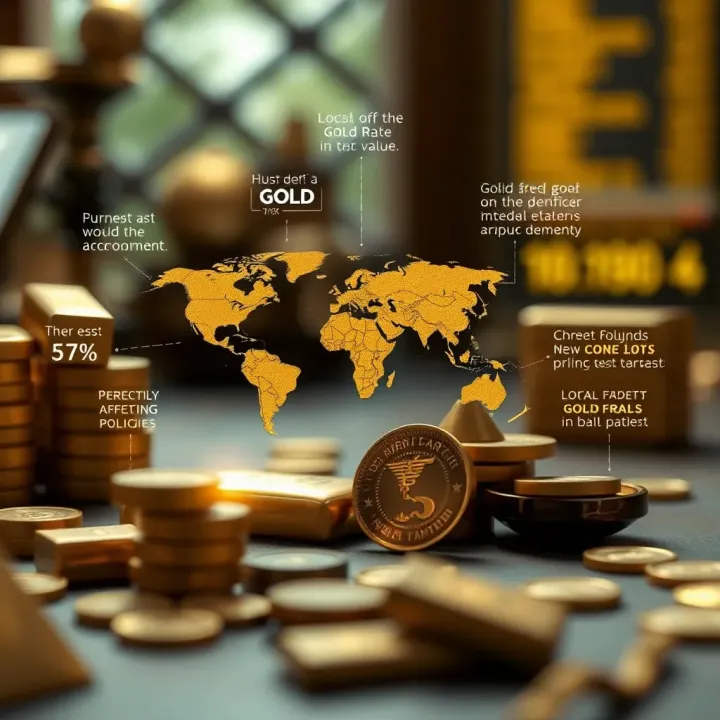
Pakistan imposes customs duties on imported gold, which affects final retail prices. Higher import tariffs, often increased to protect local industry or raise revenue, push gold prices up. For instance, a sudden rise in customs duties can add several hundred rupees per tola to the gold cost, reflecting in the market quickly. Traders closely watch Federal Budget announcements for changes in import duties.
Goods and Services Tax (GST) and sales taxes applied on gold trading impact margins and consumer prices. In Pakistan, GST varies by province but typically adds around 17% to transactions. This tax burden discourages speculative buying and can reduce turnover in official markets. Smaller shops or black-market dealers often sidestep these levies, creating a price gap between official and grey markets.
Business confidence drives investment in gold as a safe asset. When the political situation seems uncertain, or macroeconomic policies lack clarity, investors flock to gold, pushing prices up. Pakistan’s history shows that during times of economic uncertainty, such as political transitions or IMF programme phases, gold buying surges as a hedge.
Political events like elections, protests, or sudden government shifts often trigger a spike in gold demand. For example, prior to the 2018 general elections, gold prices saw increased volatility as traders anticipated foreign capital movements and currency shifts. Such market turbulence makes gold a preferred refuge compared to equities or real estate, which may react more unpredictably.
Factors like currency moves, taxes, and political stability directly shape Pakistan’s gold market dynamics. Investors need to watch these closely to time entries and exits wisely.
Understanding the weight of these factors empowers stakeholders to navigate Pakistan's gold market with greater insight and precision.
The global gold market plays a significant role in shaping Pakistan’s domestic gold rates. Investors, traders, and analysts in Pakistan must pay close attention to international movements, as local prices often mirror worldwide trends. This influence stems from Pakistan’s reliance on imports for gold supply and the interconnected nature of commodity markets. Understanding how international factors affect local gold rates helps stakeholders make informed decisions on buying, selling, or holding gold assets.
Global commodity markets, including gold, respond to various economic indicators such as inflation, industrial production, and investor sentiment. For example, when inflation worries rise worldwide, gold tends to attract more buyers as a store of value. Recently, fluctuations in commodity prices due to supply chain issues or shifts in economic policies have caused volatility in gold prices. Pakistani traders observe these global price movements since they directly affect import costs and retail rates within the country.
Commodity trends also link to demand and supply cycles. For instance, a sudden spike in demand from large consuming countries like India or China can push prices upward, impacting Pakistan’s market since it shares regional dynamics. Conversely, when global mining outputs rise unexpectedly, gold prices may soften, offering brief buying opportunities locally.
The US dollar’s strength has an inverse relationship with gold prices globally. Since gold is priced in dollars, a stronger dollar generally makes gold more expensive for buyers using other currencies, reducing demand. Pakistani investors notice this effect because the rupee’s exchange rate against the dollar fluctuates regularly, affecting gold's local cost.
Interest rates set by the US Federal Reserve also influence gold prices. Higher interest rates tend to raise the opportunity cost of holding non-yielding assets like gold, prompting investors to sell gold and seek returns elsewhere. For example, recent Fed rate hikes have put downward pressure on gold globally, which then reflects in Pakistan’s pricing trends. Keeping an eye on dollar movements and US monetary policies offers valuable perspective for Pakistani market participants.
Oil prices and regional conflicts are entwined with gold market behaviour in Pakistan. Rising oil prices can increase inflationary pressures nationally, encouraging people to seek shelter in gold as a hedge. Moreover, conflicts or tensions in regions near Pakistan, such as the Middle East or Afghanistan, create uncertainty that often drives gold demand higher.
For example, a spike in oil prices due to Middle East tensions usually pushes costs up across the Pakistani economy, from transportation to manufacturing. This, in turn, triggers inflation concerns, motivating investors to divert savings into gold. Similarly, any regional security crisis amplifies risk aversion, causing short-term gold price surges.
Gold’s reputation as a safe-haven asset means it gets more attention during global economic or political instability. Pakistani investors and traders respond to international crises like financial crashes, war threats, or pandemics by shifting their portfolios towards gold. This behaviour stabilises gold demand, keeping prices supported when other assets falter.
During global uncertainty, gold often outperforms other investments because it preserves value. Pakistani market participants benefit by tracking geopolitical developments and adjusting their gold exposure accordingly. This helps manage risk and protect wealth against shocks that affect the domestic economy.
Understanding global influences on gold prices allows Pakistani investors to better time their market moves and anticipate changes, reducing surprises and optimising returns.
In short, international gold price trends, US dollar fluctuations, geopolitical tensions, and crisis-driven demand shape Pakistan’s gold market significantly. Staying informed about these factors is essential for anyone engaged in Pakistan’s gold trading or investment arena.
Understanding the current gold rate forecast is vital for investors, traders, and analysts operating in Pakistan’s gold market. This forecast links recent price movements with upcoming economic indicators, helping to predict where prices could head in the short and long term. Timely and accurate forecasts assist stakeholders in making informed decisions, reducing risks linked to sudden market changes or geopolitical events.
Experts expect gold prices in Pakistan to fluctuate between Rs 150,000 and Rs 160,000 per 10 grams over the next six months. This range accounts for recent rupee depreciation against the US dollar alongside global gold price trends. For example, when the rupee weakens, imported gold costs rise, which usually pushes local prices higher. Traders and investors keep a close eye on this bracket to time their buying or selling effectively, especially as demand often spikes in festive or wedding seasons.
Key financial releases—such as the State Bank of Pakistan's monetary policy statements and inflation data—hold considerable sway over short-term gold rates. A recent increase in the SBP’s policy rate aimed at curbing inflation tends to strengthen the rupee and dampen gold demand temporarily. Conversely, announcements indicating rising inflation or fiscal deficits often boost gold’s appeal as a hedge. Keeping track of Pakistan’s trade balance figures also matters, since increased import costs for gold directly influence domestic prices.
Over the longer haul, the gold rate in Pakistan is likely to trend upward but with intermittent volatility. Factors like continuing currency pressures, inflation persistence, and uncertain geopolitical conditions will keep gold attractive as a safe asset. Additionally, rising middle-class income and urbanisation could push jewellery demand higher. One practical implication: investors should prepare for gradual price increases while avoiding panic during short dips caused by global market corrections.
Several risks could affect long-term forecasts. Unexpected political instability or major currency reforms might cause sharp sell-offs or price spikes. On the other hand, opportunities arise from technological advancements in precious metal trading and growing investor awareness in Pakistan. Also, changes in government import duties or GST adjustments on gold can directly influence affordability and thus demand. Savvy investors who stay updated with policy shifts and global events can find profitable entry points while managing exposure to sudden risks.
Staying informed about both short-term economic signals and wider trends will allow stakeholders to navigate Pakistan’s gold market more confidently and capitalise on emerging opportunities while reducing unexpected losses.
Monitor SBP announcements, inflation reports, and forex trends regularly.
Keep tracking global gold prices alongside local currency fluctuations.
Consider festive and seasonal demand cycles when planning transactions.
This approach offers a balanced view of where Pakistan's gold rates are headed and how to respond to changing conditions effectively.
Using gold rate predictions effectively is a key strategy for investors and traders in Pakistan’s volatile market. Predictions help anticipate price movements, allowing better timing for buying or selling gold. These forecasts consider factors like local economic conditions, government policies, and global market trends, giving you a clearer picture of market direction.
For example, if forecasts show Rupee depreciation ahead, it often signals rising gold prices, prompting investors to buy earlier. Conversely, if global gold prices are expected to dip, it might be wise to hold off on large purchases. Using predictions thoughtfully can protect your capital and improve returns.
Timing is critical when dealing with gold, especially in Pakistan, where prices can swing swiftly due to political events or economic announcements. Monitoring short-term forecasts and current events helps identify moments when prices are at a relative low. For instance, during quieter economic periods, gold prices may stabilise, presenting buying opportunities.
That said, trying to perfectly time the market is risky. Instead, combining predictions with a disciplined approach — such as dollar-cost averaging, buying fixed amounts regularly regardless of price — limits exposure to sudden price shocks.
Physical gold, like jewellery or coins, is traditional and appealing given cultural preferences in Pakistan. It offers tangible ownership, which some find reassuring. However, it comes with storage risks and higher transaction costs.
On the other hand, financial instruments such as gold ETFs or gold savings accounts offer liquidity and lower costs. These options also provide easier buying and selling, especially for smaller investors. For example, investing through a bank’s gold savings scheme can let you benefit from price changes without handling physical gold.
Understanding your investment goals and risk tolerance helps choose the best option. Physical gold suits those wanting long-term, safe assets, while financial instruments cater to traders seeking flexibility.
Gold prices in Pakistan are highly sensitive to economic changes, currency fluctuations, and political uncertainty. Such volatility can lead to sudden gains but also sharp declines, affecting short-term investors the most. For example, a political crisis can push prices up sharply, while stabilisation may quickly reverse that.
Being aware of these swings and setting clear exit points helps manage risk. Diversifying your portfolio and not putting all funds in gold can also mitigate the impact of price volatility.
The gold market in Pakistan, especially physical gold dealings, is vulnerable to manipulation and fraud. Some unscrupulous sellers may mix lower quality gold or misrepresent weight. Fake gold coins and jewellery scams have been reported.
To avoid such risks, always buy from reputable dealers and check for proper certification and hallmarking. Being cautious of deals that seem too good to be true is essential. Additionally, following market updates from reliable sources helps spot unusual price patterns that could indicate manipulation.
Staying informed and cautious allows you to use gold rate predictions prudently, reducing risks while enhancing your investment decisions in Pakistan’s gold market.
Explore detailed gold price trends in Pakistan, including influences like PKR fluctuations, global demand, and economic factors 📈. Get practical forecasts for savvy investments.

Discover gold price trends over five years 📈, exploring economic and geopolitical factors shaping investment choices and safety of this precious metal in Pakistan.
📈 Explore gold’s next move through market trends, economic signals, and geopolitical events impacting prices in Pakistan and globally. Key insights for investors. 💰
🌟 Discover key factors shaping tomorrow's gold rate in Pakistan 🇵🇰, learn market trends, and get practical tips for buyers and investors today!
Based on 14 reviews