
Tomorrow's Gold Rate in Pakistan: What to Expect
🌟 Discover key factors shaping tomorrow's gold rate in Pakistan 🇵🇰, learn market trends, and get practical tips for buyers and investors today!
Edited By
Isabella Kelly
Gold has always held a special place in Pakistan’s economy and culture, serving as both a hedge against inflation and a popular investment vehicle. Understanding the future direction of gold rates matters not only to traders and investors but also to everyday savers considering gold jewellery or coins. Economic shifts, local currency fluctuations, and global tensions all affect gold prices, making it essential to look beyond just current rates.
Several factors influence gold’s future price trends. On the global stage, the US dollar’s strength, inflation levels in major economies, and interest rate moves by the Federal Reserve play a big role. Domestically, PKR's volatility against the dollar and local demand for gold jewellery during festivals like Eid or weddings also impact prices. For example, when the rupee weakens sharply against the dollar, gold prices in Pakistan tend to rise because imports become costlier.
Gold isn’t just jewellery here; it’s a form of saving and security, especially amid inflation and currency worries.
Geopolitical tensions, such as conflicts or trade wars, often push investors toward gold as a safe haven. For instance, when instability spikes in neighbouring regions or through global political uncertainty, demand rises, pushing up prices.
In addition, Pakistan’s unique market behaviour—including informal trading and banking constraints—adds complexity to price movements. Investors should watch policy changes from the State Bank of Pakistan, import restrictions on gold, and tax measures by the Federal Board of Revenue that affect gold trading.
Currency trends, especially PKR to USD exchange rates
Global inflation and interest rate decisions
Local demand cycles around cultural events
Political developments both regionally and globally
Regulatory changes affecting import and taxation
Keeping these in mind helps traders and investors prepare for future gold market shifts, allowing smarter decisions rather than reacting to sudden price swings. The outlook is never static; it changes with the economic pulse at home and abroad. Understanding underlying factors rather than just current numbers will be key to success.
This article will break down these drivers and trends in detail, equipping you with insights on what to expect in gold rates ahead.
Understanding the key factors that influence gold prices is essential for traders, investors, and analysts who want to make informed decisions in the gold market. These factors act as the backbone for price movements and help assess future trends, especially in Pakistan where local and global influences intertwine closely. By tracking these elements, you can better gauge risks and opportunities in gold trading.
Inflation trends and interest rates play a significant role in determining gold prices. Generally, rising inflation pushes gold prices up since gold is seen as a hedge against the decreasing purchasing power of fiat money. For example, when inflation in the US accelerates, investors often flock to gold to protect their wealth, which pushes the price higher globally. Conversely, higher interest rates raise the cost of holding non-yielding assets like gold, leading to downward pressure on prices. The State Bank of Pakistan’s monetary policy can indirectly influence local gold prices by setting interest rates that impact inflation and liquidity.
Currency fluctuations, especially USD versus PKR, directly affect gold prices in Pakistan. Since international gold rates are typically pegged to the US dollar, a weaker dollar usually raises gold prices globally. For Pakistani investors, a depreciating PKR against the USD means gold becomes more expensive in local currency terms, raising demand as a store of value amid currency uncertainty. This currency dynamic explains why gold often gains appeal during periods of PKR volatility.
Commodity market influences also shape gold price trends. When commodity prices for metals and energy surge, inflationary pressures tend to rise, nudging gold prices up as investors seek safe havens. Additionally, shifts in key commodities like crude oil affect production and transportation costs for gold mining, impacting supply. For instance, rising fuel prices can increase extraction costs, indirectly driving gold price inflation.
Regional conflicts affecting commodity markets can disrupt supply chains and create uncertainty, which tends to boost gold prices. For example, tensions in Middle Eastern oil-producing countries or border skirmishes in South Asia often increase perceived market risks. Investors then seek refuge in gold, pushing its price up. Pakistan’s geopolitical environment, including relations with neighbours and internal stability, plays a role in local investor sentiment towards gold.
Trade relations and sanctions influence how gold flows between countries and affect market confidence. Sanctions on major economies such as Iran or Russia can restrict gold trade routes, creating supply imbalances and price volatility. Moreover, trade tensions between large economies may result in shifts of gold holdings as countries and investors adjust to potential tariffs or restrictions.
Impact of stability in major gold-consuming countries like China, India, and the United States cannot be overlooked. Political stability and economic growth in these markets raise gold demand, especially for jewellery and investment purposes. For instance, a slowdown in China's economy or political unrest can reduce gold consumption, while stable conditions typically support steady demand, stabilising global gold prices.
Remaining aware of these global economic and political factors helps you anticipate sudden shifts in gold prices and spot investment opportunities before the market reacts.
Understanding gold price movements in Pakistan requires a close look at local factors that drive demand and affect costs. While global economic trends shape overall direction, conditions within Pakistan often cause unique shifts in gold rates. Traders, investors, and analysts must consider these domestic dynamics to make well-informed decisions.
PKR Exchange Rate Volatility
The Pakistani Rupee’s (PKR) fluctuations against the US dollar have a direct impact on gold prices locally. Since gold is priced internationally in dollars, any depreciation in PKR means it costs more rupees to buy the same amount of gold. For example, when the PKR slipped from Rs 150 to Rs 180 against the dollar in past years, gold rates in Pakistan rose accordingly, sometimes sharply. This volatility often makes gold a preferred hedge against currency risk for Pakistani investors.
Inflation and Monetary Policy by State Bank of Pakistan (SBP)
Inflation trends in Pakistan affect purchasing power and influence gold demand. When inflation rises, people often turn to gold to protect savings, driving prices higher. SBP’s monetary policy responses, such as interest rate adjustments, also play a role. For instance, high interest rates typically increase returns on bank deposits, making non-yielding gold less attractive, whereas lower rates encourage gold buying as an alternative investment. This interplay shapes short to medium term price movements.
Demand and Supply Patterns in Pakistan
Domestic demand for gold depends on consumer behaviour and market supply constraints. Pakistan’s sizeable jewellery industry requires steady gold imports, which are subject to import duties and foreign exchange availability. Whenever gold imports slow due to government policies or currency problems, supply tightens, pushing local prices up. On the other hand, periods of eased tariffs and better foreign currency reserves help stabilise supply and prices.
Gold Buying Trends During Festivals Like Eid
Eid-ul-Fitr and Eid-ul-Adha are peak times for gold purchases in Pakistan. Families gift gold jewellery during these festivals as a sign of prosperity and celebration. Retailers often see a spike in sales and sometimes offer special deals to attract buyers. This seasonal surge in demand typically leads to temporary upticks in gold prices across major cities like Karachi, Lahore, and Islamabad.
Marriage Season Demand Spikes
Pakistan’s wedding season, spanning roughly from October to March, brings a significant rise in gold purchases. Since bridal jewellery remains a crucial part of weddings, jewellers report increased demand for gold chains, bangles, and rings. This seasonality can cause local price gains as market supply strains to meet heightened consumption hurdles.
Investment Habits in Pakistani Households
Historical preferences in Pakistan veer strongly towards holding gold as a safe asset. Many households invest in gold jewellery or coins rather than formal financial instruments, viewing it as a store of value against inflation and economic uncertainty. This cultural tendency means shifts in public sentiment about the economy or currency can quickly translate into changes in gold buying behaviour.
Gold in Pakistan is not just a commodity but also part of social and financial traditions. Recognising this context helps investors anticipate demand swings and price shifts more accurately.
Together, these Pakistan-specific influences outline the practical factors shaping gold prices locally. Monitoring the PKR exchange rate, inflation trends, and cultural timings can offer traders and investors an edge in predicting the next move in gold rates within Pakistan.
Market predictions and forecasts offer valuable guidance for anyone tracking gold's price movements, especially traders and investors. They provide a snapshot of expert opinions and data-driven insights, helping to gauge where gold prices might head in the medium to long term. Understanding these predictions lets investors position themselves wisely, whether buying, selling, or holding.
Most analysts expect gold prices to maintain a cautious upward trend over the next one to two years. This view is shaped by ongoing inflationary pressures in many economies and persistent geopolitical uncertainties, which historically push investors toward gold as a safe haven. For example, with inflation in Europe and the US staying above central bank targets, gold's appeal as an inflation hedge remains strong.
Such consensus matters as it sets a baseline expectation; traders can then decide whether to follow the crowd or look for contrarian opportunities. Medium-term forecasts also influence portfolio allocation among Pakistani investors, balancing gold against other assets like stocks or real estate.
As global economies recover post-pandemic, demand for goods and energy rises, impacting gold prices indirectly. Economic growth often strengthens industrial metals but may pressure gold by reducing its safe-haven appeal. Still, fluctuating growth rates and new Covid variants keep uncertainty alive.
In Pakistan's context, a stronger global recovery could stabilise the rupee against the dollar, which often lowers gold prices locally. Conversely, uneven recovery might keep gold prices elevated. Therefore, monitoring global indicators helps local investors adjust strategies in a timely manner.
Prestigious firms like GFMS and Bloomberg Intelligence regularly update gold price forecasts based on macroeconomic models and supply-demand analysis. Their latest reports suggest prices could oscillate between $1,800 and $2,000 per ounce in the coming months.
These forecasts are practical for institutional investors in Pakistan who deal with large-scale imports and exports of gold or jewellery, as they can anticipate cost fluctuations and hedge accordingly. They also inform banks and financial institutions offering gold-backed products.
Technical analysts study historical price charts to identify patterns like head and shoulders, double tops, or cup and handle formations, which often signal future movements. For instance, a bullish cup and handle pattern typically hints at a price rally ahead.
Investors in Pakistan who trade gold futures or jewellery stocks can use these patterns to pinpoint entry and exit points, making trades more data-driven rather than speculative.
Trading volume reflects market activity and liquidity. Rising volumes alongside price increases suggest strong buying interest, while low volumes may flag weak trends. Momentum indicators like RSI (Relative Strength Index) tell whether gold is overbought or oversold.
For example, if the RSI shows oversold conditions in gold markets, traders might see it as a buying opportunity. Volume analysis allows brokers and traders in Karachi or Lahore commodity markets to confirm signals before acting.
Support levels mark prices where buying historically stops a fall, while resistance levels indicate where selling caps a rise. Identifying these prices helps traders to set stop-loss orders and target prices.
Imagine gold hitting Rs 120,000 per tola repeatedly but not rising beyond Rs 122,000; these points become psychological barriers. Pakistani investors aware of such levels can better time their buying and selling, protecting profits and limiting losses.
Market predictions blend expert opinions with technical tools, helping you navigate gold’s price swings more confidently and efficiently, especially in Pakistan's unique economic environment.
Understanding how gold prices move is especially important for Pakistani investors and consumers. The gold market in Pakistan behaves differently due to local economic conditions, cultural demand, and government policies. Knowing these factors helps traders and buyers make smarter decisions. For instance, during Eid or the wedding season, demand often pushes prices up, so timing your purchase or sale can make a significant difference. Meanwhile, investors need strategies suited to Pakistan’s specific realities like PKR volatility and inflation.
Long-term holding of gold generally serves as a safeguard against inflation and currency depreciation. For example, many Pakistani households keep gold bars or jewellery as a hedge against rupee weakness or sudden economic shocks. This approach works well in Pakistan where currency swings and inflation are common, preserving value over years. However, short-term trading focuses on exploiting price fluctuations, requiring market awareness, timing, and quick decisions. Traders might buy gold when political tensions rise or when the PKR weakens, hoping to profit from price spikes.
Including gold in an investment portfolio can reduce risk because gold often moves independently of stocks or real estate. In Pakistan, where equity markets can be volatile due to political uncertainty or policy changes, gold provides a cushion. Investors can diversify through physical gold, exchange-traded funds (ETFs), or gold certificates offered by banks. For example, a trader balancing shares in the Pakistan Stock Exchange (PSX) might hold 10-20% in gold-related assets to stabilise overall returns.
Gold is not risk-free. Price volatility can affect short-term holdings, especially if external events change suddenly. For example, if the State Bank of Pakistan tightens monetary policy, it might strengthen the PKR, leading to a dip in local gold prices. Also, counterfeit or low-quality gold is a risk in local markets, as is poor timing of entry and exit. Investors should be wary of making purchases in peak demand seasons without considering potential price corrections.
Buying gold in Pakistan requires trust in the dealer’s credibility. Reputable jewellers in established bazaars or well-known chains offer certified products that meet quality standards. For instance, Karachi’s Clifton or Lahore’s Mall Road have jewellers with transparent pricing and proper certification. Avoid dealers who give unusually low rates or do not provide proper receipts, as these can signal counterfeit or impure gold.
Making charges vary widely and significantly affect the total cost of jewellery. Some stores in Pakistan advertise low gold prices but add hefty making charges, which can be up to 10-15% or more. Buyers should ask for a detailed bill before purchase. Moreover, sales tax and withholding tax apply, and awareness of current rates is essential. Knowing these charges upfront prevents surprises and helps buyers compare offers effectively.
Storing gold securely is critical. Many investors keep physical gold in bank lockers or home safes. Given ongoing security concerns in some areas, bank lockers provide better protection. Insurance for valuable gold assets is also advisable in Pakistan but is not common everywhere. If you own significant quantities, consider policies that cover theft or loss to avoid heavy financial setbacks.
In Pakistan's fluctuating economic environment, combining good timing, trusted sources, and careful planning ensures that gold remains a strong asset for both investors and consumers.
🌟 Discover key factors shaping tomorrow's gold rate in Pakistan 🇵🇰, learn market trends, and get practical tips for buyers and investors today!
📈 Get today’s gold price updates and key factors shaping Pakistan's market. Stay informed on trends, economic signals, and smart investment tips.
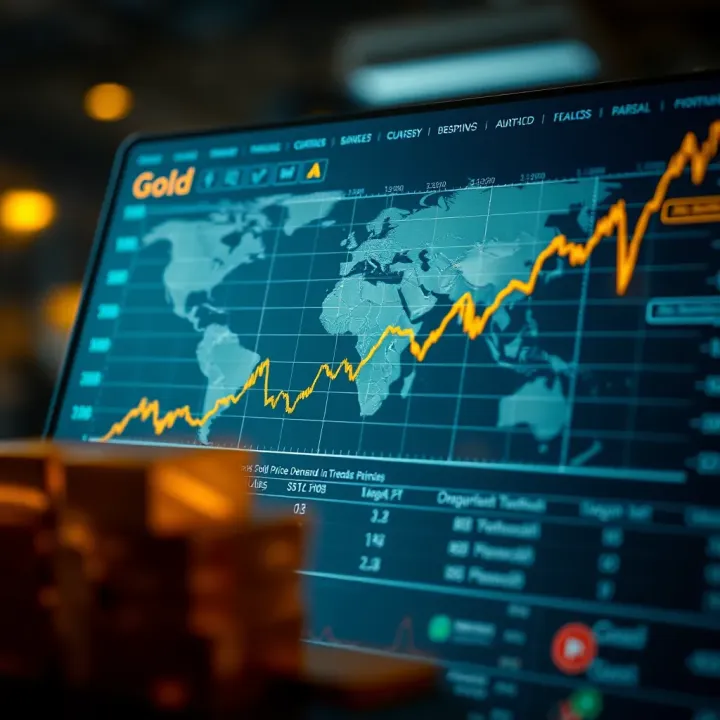
Explore detailed gold price trends in Pakistan, including influences like PKR fluctuations, global demand, and economic factors 📈. Get practical forecasts for savvy investments.
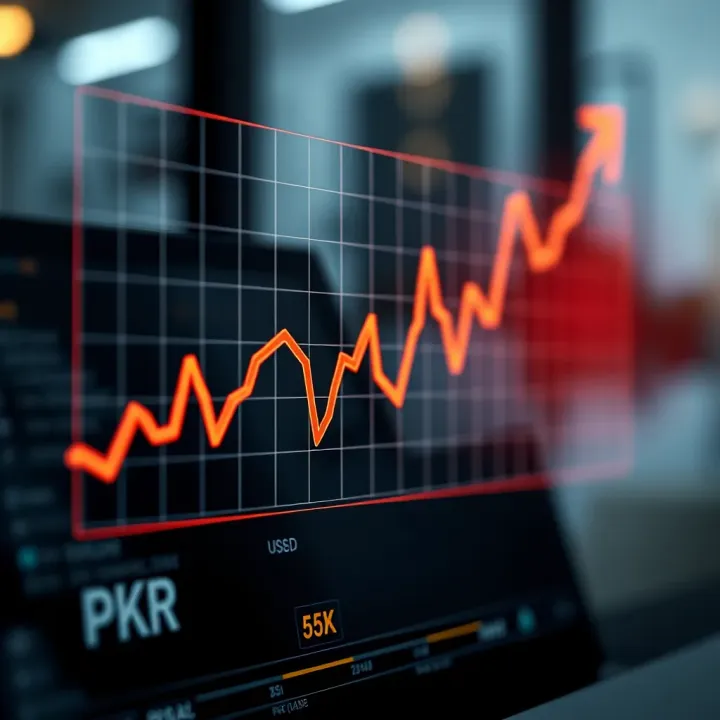
💰 Explore Pakistan’s expected USD to PKR rate with insights on inflation, foreign reserves, trade balance, and policy effects shaping business and consumer decisions.
Based on 12 reviews