

Trading Websites Guide for Pakistani Traders
Explore top trading websites for Pakistani traders 🔍. Get tips on assets, security, and tools to pick the right platform confidently. Start trading smart!
Edited By
Benjamin Price
Trading graphs are more than just squiggly lines on a screen; they’re the heartbeat of financial markets. For traders and investors, understanding these graphs is like having a map in a bustling city — they guide decisions and help avoid costly mistakes.
In Pakistan's vibrant market environment, where volatility can pop up like surprise monsoon showers, knowing how to read and use trading graphs effectively is a real game-changer. This article will walk you through the types of trading graphs, their key components, and practical tips to interpret patterns and trends. You’ll learn how to apply these insights directly to the Pakistani market context, whether you’re eyeballing the KSE 100 index or tracking commodity prices.
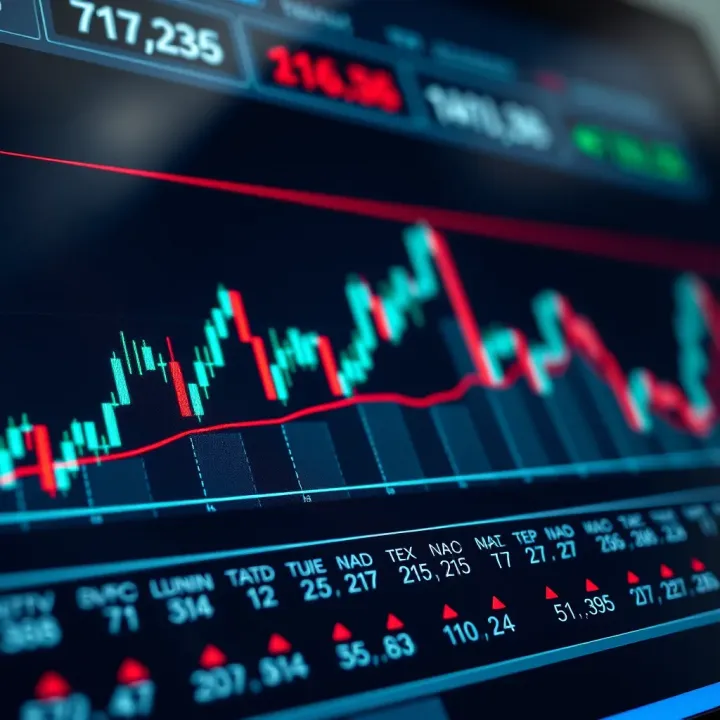
By the end, you'll have actionable skills for analyzing market moves with a sharper eye, helping you trade smarter in an unpredictable landscape.
Understanding the language of trading graphs isn’t optional anymore—it's essential for anyone serious about making wise investments in today’s markets.
Let’s dive into what makes these graphs tick and how you can use them to your advantage.
Trading graphs are like the roadmap for anyone entering financial markets. Whether you're a seasoned broker in Karachi or a new investor from Lahore, understanding these graphs is key to making smart choices. Without them, traders are basically flying blind, guessing where the market might head next.
One big reason why trading graphs matter is because they turn heaps of raw data into something visual—something a human brain can quickly digest. For example, imagine looking at a list of daily prices for the Karachi Stock Exchange (KSE); it's tough to spot a pattern. But put those same prices on a graph, and suddenly, earlier trends, price spikes, or dips become much clearer.
By getting a handle on trading graphs, traders can better spot when to jump in or out of a position. This isn't just about watching numbers; it's about reading the market's mood and anticipating its moves.
In simplest terms, trading graphs are visual charts showing how a security's price changes over time. They condense complex financial data into a form that’s easier to read and analyze at a glance. The main goal? To provide traders, investors, and analysts with a quick overview of market behavior.
For example, a candlestick chart shows daily price action with easy-to-read shapes representing open, close, high, and low prices. This kind of graph tells a story that’s far richer than just numbers alone.
Trading graphs serve as the foundation for nearly every decision made in the markets. In Pakistan's context, where markets can be influenced by events like political developments or currency shifts, graphs help filter noise and shine a light on the bigger trends.
Market makers and retail investors alike use these tools to spot trends, check volatility, and gauge momentum. Without these charts, you’d have no way to compare price movements over time or understand the rhythm behind market shifts.
Graphs make it easy to spot whether prices are generally headed up, down, or sideways, often before news headlines confirm what’s happening. For instance, if the price of Pak Rupee against USD is steadily climbing on a line chart, it signals buyers are dominating.
By observing these patterns over days, weeks, or months, traders can follow the market’s flow instead of reacting impulsively to surface-level info.
Decisions in trading are best when backed by evidence, not gut feeling alone. Graphs equip traders with a roadmap to make choices on when to buy, hold, or sell. They also help in timing entry and exit points, reducing guesswork.
For example, a broker in Islamabad might watch a volume spike combined with a price breakout on a candlestick chart to decide it’s time to enter a position.
Understanding how to read and interpret these graphs is a skill that directly impacts whether your trades gain or lose money. Traders who rely on graphs are simply better prepared to face the unpredictable nature of markets.
By the time you master these concepts, your view of trading won't be just numbers on a screen, but a clear picture of market dynamics that can improve your trading outcomes substantially.
When stepping into the world of trading, understanding the different types of graphs is like getting a handle on the basics that every trader swears by. This section breaks down the main graph forms used day-to-day by traders to keep an eye on market movements — each with its specific strengths and quirks.
At its core, knowing which graph to use and when can sharpen your decision-making, whether you're watching the Pakistan Stock Exchange or tracking currency pairs on MetaTrader. These graphs visualize price trends and help anticipate where the market might go — but a trader must know the story behind each graphic.
How they display data: Line charts are the simplest form, drawing a continuous line connecting closing prices over a set period, be it minutes, days, or months. Imagine it like following your favorite team’s score trend in a game, where only the final scores count. This simplicity is helpful when you want a quick glance at overall direction without getting bogged down by noise.
For example, if you’re checking the daily closing prices of the KSE-100 index, the line chart will quickly show if the market's generally climbing or falling, making it easy to spot long-term momentum.
Advantages and limitations: The main advantage of line charts is their clean, uncluttered view — perfect for spotting overall trends fast. But that simplicity can also trip you up; it ignores what happened within the trading period. You miss out on high and low price swings or volatility that might tell a more detailed story, crucial for short-term trades.
In other words, they’re great for a broad-strokes picture but less so when you need fine details to time a trade.
Interpreting bars: Bar charts bring more info to the table than line charts. Each bar wraps up four pieces of info for a period: the highest price, the lowest price, the opening price, and the closing price. Think of it like a snapshot capturing the whole fighting spirit of a boxing round, not just the final bell.
The vertical line shows the price range (high to low), the horizontal tick on the left marks the open, and the right tick marks the close. If the close is higher than the open, you might see the bar shaded or colored differently, signaling buying momentum.
Use cases in trading: These charts shine when you want to track price volatility or make intraday decisions. Say you’re watching PSX stocks; the bar chart can show you sudden price drops or spikes during the day that might hint at market news or big trades.
Day traders often lean on bar charts to identify entry or exit points because they offer more nuanced price movement insights than simple line charts. However, these can look busy if you’re observing long periods.
Understanding candlestick shapes: Candlestick charts are like bar charts with a bit more style and storytelling power. Each candle has a “body” and “wicks,” representing opening and closing prices, and highs and lows, respectively. If the close is above the open, the body is typically hollow or green; below, it’s filled or red.
This format makes it easy to see if buyers or sellers were in control during each period. For example, a long green body with short wicks suggests strong buying pressure throughout.
Popular patterns and signals: Traders often look for key candlestick patterns to anticipate market moves. Patterns like the “Doji” indicate indecision, where the open and close are nearly the same, hinting at a possible trend reversal. The “Hammer” signals a potential bottom after a drop, and the “Engulfing” pattern can suggest a strong shift in momentum.
For instance, when trading Forex pairs like USD/PKR on TradingView, spotting a bullish engulfing pattern after a downtrend could prompt a trader to consider a buy.
Tip: Candlestick charts are highly favored because their visual cues offer quick insights into market psychology, making them a powerful tool across various assets and timeframes.
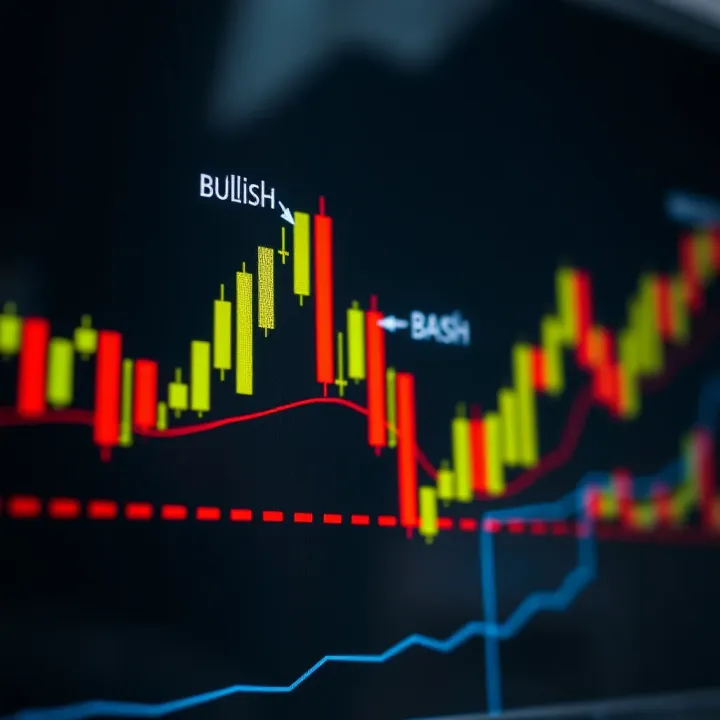
In sum, each graph type offers tools that cover different levels of detail. The savvy trader learns to pick the right graph for the specific purpose, whether it’s a quick trend check or spotting subtle market shifts before they escalate.
When you're staring at a trading graph, what you're really seeing is the story of the market in a nutshell. The key components like price axis, time axis, volume indicators, and technical tools aren’t just fancy additions—they're the bones and muscles that give these graphs meaning and function. They help decode what the lines and bars show, guiding traders on what to do next.
How to read axes: The price axis usually sits vertically on the right side, showing the value scale for assets, while the time axis runs horizontally along the bottom, marking the timeline. For example, if you’re trading stocks on the Karachi Stock Exchange, each tick on the time axis might represent minutes in intraday trading or days if you’re looking at a longer-term chart. Getting these right means you can pinpoint exactly when price changes happened and at what price, which is crucial for timing trades.
Importance for context: Understanding these axes is like reading a map before a trip. Without the price and time axes, the graph is just squiggles and lines—no sense of direction. They ground your analysis, showing whether a movement was a quick flare-up over minutes or a trend over weeks. That context is vital, especially when news hits the market—knowing when and how prices reacted helps make smarter decisions.
Role of volume in analysis: Volume represents how many shares or contracts changed hands during a specific period. It’s a loudspeaker shouting how strong a move is. For instance, when volume spikes during a price rise, it often signals passion or conviction behind the move, like a strong uptrend forming. Conversely, if the price jumps but volume remains low, the move might be weak or unsustainable.
How volume complements price data: Price without volume is like background music without lyrics—informative but incomplete. Volume helps confirm or question price action. Say you see a breakout above resistance on a stock like OGDC, if the volume is heavy, that breakout likely has real muscle behind it. On the flip side, a low-volume breakout might be a false alarm.
Moving averages: These smooth out price data over time, showing the general direction of a trend. Common types are the simple moving average (SMA) and exponential moving average (EMA). For example, traders on PSX often watch the 50-day and 200-day SMA to identify support and resistance zones. When the short-term average crosses above the long-term average, it’s usually a bullish sign, and vice versa. Moving averages help filter out daily noise and keep you focused on the bigger picture.
Relative strength index (RSI): The RSI tells you if an asset is overbought or oversold by comparing average gains and losses over a set time, typically 14 periods. Values above 70 suggest overbought conditions—maybe a pullback is coming. Values below 30 hint at oversold conditions—potentially a buying opportunity. For example, if Pakistan Oilfields Limited’s RSI hits 75, traders might decide to wait for a dip before buying.
Remember, no single component tells the whole story. It’s combining price action, volume, and indicators like moving averages and RSI that sharpens your edge in the trading game.
Using these key components effectively can turn a confusing jumble of data on the screen into clear signals that inform your trading decisions. The more comfortable you get with them, the better you can ride the ups and downs of the market confidently.
Getting a firm grip on how to read and interpret trading graphs is more than just a skill—it's the foundation for making smarter moves in the market. These graphs condense complex data into visuals that reveal price movements, trends, and potential shifts. For traders in Pakistan, who face volatile markets affected by both local and global factors, mastering this skill can mean the difference between profit and loss.
When you understand what each curve, bar, or candle represents, you can spot opportunities or warning signs early. It’s not only about seeing what happened but anticipating what might come next. To do that well, you need to focus on three main aspects: identifying trends, recognizing chart patterns, and understanding support and resistance levels.
Spotting the direction of a trend is the first step in interpreting any trading graph. Trends show the overall movement of prices over time, serving as a guide on whether the market is bullish, bearish, or stuck in a rut.
Understanding uptrends and downtrends involves noting that an uptrend is marked by a series of higher highs and higher lows. Imagine a stock like Pakistan State Oil starting the week trading at PKR 90 and steadily rising while bouncing back from small dips to PKR 100 by week’s end — that’s a clear uptrend. Traders often look to buy during an uptrend, riding the momentum.
Conversely, a downtrend features lower highs and lower lows. For example, Hub Power Company’s stock slipping from PKR 50 to PKR 42 over several days, breaking support levels on minor rallies, signals a bearish trend and a potential selling opportunity.
Sideways movement interpretation refers to price movements that hover within a narrow range without a clear direction. This sideways action often hints at indecision in the market before a breakout. For instance, the Karachi Stock Exchange index might fluctuate between 40,000 and 41,000 points for weeks before choosing a new direction. Knowing when the market is sideways helps traders avoid false signals and wait patiently for confirmation.
Spotting trends early allows traders to align their strategies accordingly, reducing exposure to sudden market reversals.
By studying chart patterns, traders can get clues about future price movements. These patterns repeat because traders collectively tend to react similarly over time.
Head and shoulders is a topping pattern that signals a potential reversal from bullish to bearish. It’s shaped like a peak (left shoulder), a higher peak (head), and another lower peak (right shoulder). For example, Pakistan Telecommunication Company Limited (PTCL) showing this pattern in its daily chart might warn traders of an upcoming downtrend.
Double tops and bottoms indicate a strong level where price tests twice before reversing. A double top looks like an "M", signaling resistance – prices attempted to rise past a certain level twice but failed and dropped after. Likewise, a double bottom resembles a "W", indicating strong support where prices bounce back upwards. Traders use these patterns to spot breakout points to enter or exit trades.
Triangles can be ascending, descending, or symmetrical. They show price consolidation before a likely breakout. For instance, an ascending triangle, where highs stay flat but lows rise steadily, suggests buyers are gaining strength. This knowledge helps Pakistani traders prepare for sudden price moves, especially in the fast-moving forex market.
Key price levels where buying or selling pressure mounts are known as support and resistance. These levels act like invisible barriers, and knowing how to find them is crucial.
Finding key price levels involves looking at past highs and lows where price repeatedly bounced or retreated. For example, if Lucky Cement’s stock consistently finds buyers when it nears PKR 800 (support), that price level becomes important for planning trades.
Significance for trade entries and exits lies in using these levels to time when to jump in or get out. A trader might enter a buy position near support, expecting a bounce, and place a stop loss just below it to limit risk. Similarly, resistance can serve as a target to take profits or a signal to sell if prices fail to break higher.
Support and resistance help traders manage risk by setting concrete points where their trade ideas are either confirmed or invalidated.
Understanding these concepts arms traders with solid tools to read market action smarter. In markets like Pakistan’s, where political and economic news can shake things up fast, reading trading graphs well helps keep control amidst the noise.
From spotting trends to interpreting chart signals and managing entries using key levels, these skills form the backbone of any serious trading strategy. Practicing them regularly using platforms like MetaTrader or TradingView can sharpen your edge in the dynamic trading landscape here.
Trading graphs are more than just pretty pictures; they’re roadmaps for making smart moves in the market. Integrating trading graphs into your overall trading strategy means using them alongside other tools and methods—not just relying on one. This integration helps traders in Pakistan, where markets can be volatile and influenced by local and international factors, make better, more informed decisions. When graphs are combined with fundamental analysis, news, and clear entry and exit rules, the trader’s chances of success improve significantly.
Fundamental analysis looks beyond the numbers on the graph to understand the “why” behind price movements. It involves examining a company’s financial health, sector performance, and macroeconomic indicators such as GDP growth or inflation in Pakistan. This kind of analysis complements trading graphs by providing context. For example, a rising price trend on the graph supported by good quarterly earnings reports suggests a stronger chance of continuation, rather than a mere short-term spike. Traders can use fundamental analysis to avoid blindly following technical signals that might ignore underlying business issues.
News events and market sentiment have a way of shaking up charts fast, especially in emerging markets like Pakistan’s. Events such as changes in government policy, geopolitical tensions, or unexpected economic data releases can send prices tumbling or soaring in minutes. Keeping an eye on news helps traders understand why a graph might be behaving erratically or confirm if a pattern is likely to hold. Market sentiment—gauged through sources like social media chatter or investor surveys—adds another layer, showing whether traders are feeling optimistic or cautious. For example, if the graph shows a bullish pattern but sentiment is fearful due to political instability, it might be wise to hold off or protect your positions.
Graphs can tell you more than just where prices are; they suggest when to jump in or out. By analyzing price movements, trend lines, and indicators like moving averages, traders can get a sense of the best moments to enter a trade. Say you spot a “breakout” above a resistance level on a candlestick chart. That could be your cue to buy before the price climbs further. Timing trades with graphs means avoiding the trap of chasing after prices that have already run up and instead positioning yourself ahead of the crowd.
Setting stop loss and take profit levels is a must to keep emotions out of trading. Graphs show natural areas where prices tend to reverse or stall—these become ideal spots for stops and targets. For instance, if support levels are clear on a chart, placing a stop loss just below them can protect your capital if the price dips unexpectedly. Similarly, identifying resistance zones gives a logical take profit point to lock in gains. This disciplined approach ensures you don’t turn a good trade into a bad one by holding too long or exiting too soon.
Smart trading isn’t just about making profits—it’s about managing risk effectively, and that’s where entry, exit, and stop-loss points really prove their worth.
Knowing how much to invest on each trade is crucial and graphs can help guide that decision. By assessing the volatility from historical price swings and average true range (ATR) indicators, traders can adjust position sizes to fit their risk tolerance. For example, if a stock shows big daily price jumps, it might be safer to take a smaller position to avoid blowing up your account. Conversely, steadier stocks may allow larger positions. This tailored approach to position sizing based on graph data keeps losses manageable, even when the market throws curveballs.
Markets don’t sit still, and neither should your strategy. Regularly reviewing graph signals lets traders tweak or switch up their tactics. For instance, if an uptrend weakens and volume shrinks, it might be time to tighten stops or take profits early. Or if a reversal pattern appears, adjusting from a long to a short position could save losses. This adaptability, guided by real-time chart reading, helps traders stay ahead of the game and avoid sticking stubbornly to failing plans.
Integrating trading graphs into your strategy isn’t about using them in isolation but blending them with solid risk controls and broader market insight. It’s this mix that makes trading not just about luck but about skillful decision-making, crucial for anyone serious about succeeding in Pakistan’s markets.
Trading graphs offer a powerful way to visualize market data, but many traders slip up by misusing them. Recognizing common mistakes helps avoid pitfalls that can lead to bad decisions and financial loss. In practice, errors like relying too much on one indicator or ignoring broader market context can skew a trader’s view, causing them to miss chances or enter trades at the wrong time. For traders in Pakistan, mindful use of graphs combined with understanding of local market factors strengthens trading strategies and promotes better results.
When traders put all their faith in one technical indicator, such as the Relative Strength Index (RSI) or Moving Average Convergence Divergence (MACD), they risk missing the bigger picture. A single indicator can provide misleading signals, especially in volatile or sideways markets, because it doesn't capture multiple factors influencing price movements.
Why diversification matters: Relying on just one signal is like judging a book by its cover. By diversifying the types of indicators—mixing trend-following tools like moving averages with momentum indicators like RSI—traders get a clearer snapshot of the market’s health. For example, during a choppy market period, an RSI might show oversold conditions while price action remains locked sideways. A diversified approach helps prevent premature buy or sell decisions.
Balancing multiple signals: The key is to find indicators that complement each other rather than overlap. Combining volume analysis with price patterns or integrating moving averages with support and resistance levels offers a more balanced and reliable setup. A trader might wait for confirmation from two or three different indicators before acting, reducing the chance of being misled by temporary blips or false breakouts.
Smart traders treat indicators like puzzle pieces, fitting them together to see the complete picture instead of relying on just one.
Graphs show historical and real-time price data, but without considering macroeconomic conditions and local market dynamics, traders can miss critical cues.
Economic events impact: Major announcements like interest rate changes, GDP figures, or political developments can swing markets dramatically. For example, if Pakistan’s State Bank unexpectedly cuts rates, currency pairs or stock prices can spike or drop in minutes. Trading solely based on technical charts without factoring in such events risks being blindsided by sudden shifts.
Local market conditions in Pakistan: The Pakistani market has unique traits such as fluctuating liquidity levels, regulatory changes, or seasonal effects related to agriculture and exports. Ignoring these can lead to false interpretations of trading graphs. For instance, Ramadan months often see reduced trading volumes, which can distort typical volume-based indicators. Understanding these nuances helps traders adjust their strategies accordingly.
In short, graphs are tools that reveal what happened, but the context tells you why and what might come next. Blending chart analysis with ongoing market news and local insights prevents costly mistakes and sharpens decision-making.
By steering clear of these common errors, traders in Pakistan can use trading graphs more effectively. Learning to balance technical signals with market awareness and not relying on one-size-fits-all indicators sets the foundation for smarter, more confident trading.
Trading in Pakistan’s financial markets has seen significant growth, making access to reliable tools and platforms a top priority for many traders. Using the right software can make a big difference when analyzing trading graphs and making decisions. Without good platforms, even the most skilled traders might struggle to read or react to market data properly. This section looks at some popular charting software and broker platforms, focusing on features and options that fit well within the Pakistani trading context.
MetaTrader is a widely used platform, known for its powerful charting capabilities and wide range of technical indicators. It’s a favorite among forex and CFD traders in Pakistan due to its user-friendly interface and customizable charts. Traders can easily switch between different timeframes and apply tools like moving averages, Bollinger Bands, and RSI without fuss.
One of MetaTrader’s strong points is its automated trading features through Expert Advisors (EAs), which can execute trades based on pre-set conditions from graph analysis. This doesn't replace manual skill but helps minimize mistakes during volatile periods. Its compatibility with various brokers also means Pakistani traders can pick accounts that suit their budget and trading style.
TradingView stands out for its social aspect and extensive graphing tools accessible through browsers or mobile devices. It supports multiple asset classes beyond forex and equities, such as cryptocurrencies, which is increasingly popular among Pakistani traders exploring digital currencies.
The platform offers clean, interactive charts where traders can overlay numerous technical studies and even customize their own indicators using Pine Script, TradingView’s scripting language. Alerts on price changes or pattern formations can be set easily, keeping traders notified without the need to keep staring at the screen all day.
For traders juggling multiple markets or new to charting, TradingView’s combination of ease and advanced features creates a smooth learning curve and sharp trading insights.
When selecting a broker platform in Pakistan, the quality of charting tools is critical. Look for platforms that offer:
Clear and responsive charts with diverse chart types (candlestick, bar, line)
Real-time data without significant delays
Ability to add and customize technical indicators
Easy navigation and layout compatible with desktop and mobile
Tools for drawing trendlines, support, and resistance directly on charts
These features help traders interpret market trends swiftly and execute smarter trades.
Some broker platforms well-suited for traders in Pakistan include:
Alpari: Offers MetaTrader integration with competitive spreads and decent chart tools tailored for forex.
IQ Option: Known for user-friendly mobile and desktop platforms, featuring interactive charts and easy indicator access.
Interactive Brokers: Although more global, they provide excellent charting tools and access to Pakistani traders needing advanced features.
Each platform has its quirks but all emphasize access to strong trading graphs supporting critical analysis. Pakistani traders should evaluate offerings and customer support along with chart features before choosing.
By focusing on these tools and platforms, traders can improve their chart analysis skills, make more precise decisions, and adapt quickly to Pakistan’s market conditions.
Explore top trading websites for Pakistani traders 🔍. Get tips on assets, security, and tools to pick the right platform confidently. Start trading smart!
📱 Find the best trading app in Pakistan! Compare popular choices, learn what fits your style, and make smart market moves with confidence. 💹
📈 Discover how to pick the best trading platform for your style in Pakistan. Learn about fees, tools, security, and support to trade smarter today!

Explore top trading platforms in Pakistan 📊 with detailed insights on features, fees, security, and user tips to pick the best fit for your investments.
Based on 10 reviews