
Guide to Online Trading in Pakistan
📈 Discover a practical guide to online trading in Pakistan. Learn market types, key tools, strategies, and risk tips to trade smarter and safer today!
Edited By
Henry Wilson
Trading charts are the bread and butter for anyone serious about navigating the stock market, especially for traders in Pakistan where market dynamics can shift on a dime. Whether you're a seasoned broker or just starting out as an investor, getting a grip on the types of trading charts and how they work is crucial.
Charts do more than just show price movements—they tell a story about market sentiment and trends. From line charts to candlestick patterns, each chart type offers a unique lens through which to view the market, making it easier to spot opportunities or dodge potential pitfalls.
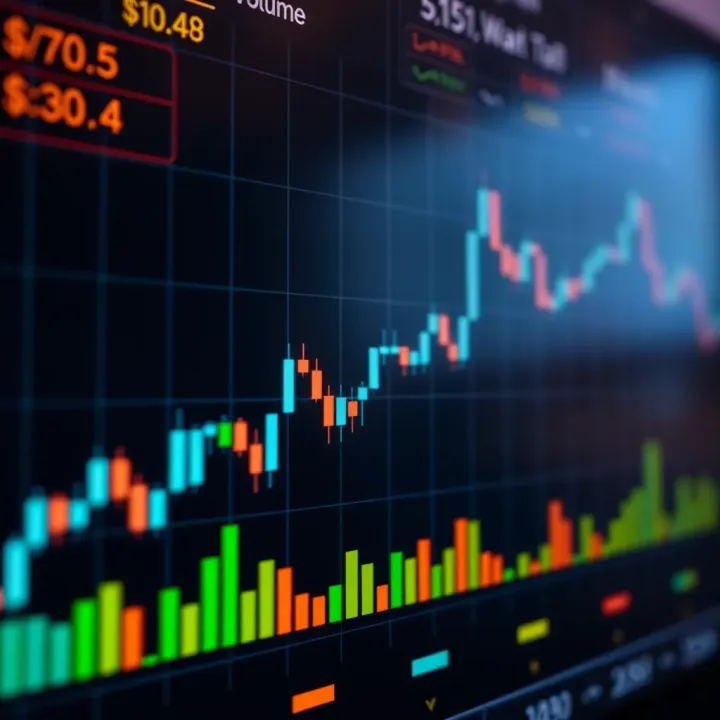
In this guide, we'll cover the essential chart views you’ll encounter, breaking down their features and how to use them effectively in the Pakistani trading context. By the end, you'll be equipped to customize and interpret charts confidently, helping you make informed decisions whether you're trading on the Pakistan Stock Exchange or analyzing currency fluctuations.
Understanding these chart basics isn't just nice to have—it's what separates successful traders from those guessing in the dark.
Trading charts are the bread and butter for anyone dealing with stocks, forex, or commodities. For traders in Pakistan, getting a grip on various chart views isn’t just helpful—it’s essential for making smart moves in volatile markets like PSX or the forex pairs tied to the PKR. Charts condense heaps of market data into visual insights that are easier to digest, helping traders spot trends and reversals quickly.
How charts help in market analysis
Charts act like a roadmap for market behavior. They turn complex price data into digestible visuals, making it possible to identify trends, spot possible reversals, and gauge market sentiment. For example, if you’re watching Pakistan’s blockbuster stocks like Mari Petroleum or Engro, charts let you see at a glance whether the price momentum is heating up or cooling down, which can heavily influence your decision to buy or sell.
Visualizing price movements
Visualizing price movement is what separates guesswork from strategy. Charts give you a timeline of price activity, showing not just the current price but also highs, lows, and opening and closing prices. Imagine it like a film reel of market moves; you can rewind to see how prices reacted to past news events or economic announcements, which helps predict how similar events might play out. This hands-on view makes it easier to interpret what's behind the numbers on your live trading platform.
Line charts
Line charts strip away distractions and show the closing prices over a chosen time frame connected by a simple line. Their clarity is great for beginners or when you want a quick snapshot of price trends. For example, if you track the KSE-100 index, a line chart immediately highlights whether it’s been climbing steadily or swinging wildly day to day, thus helping you decide if you should hold tight or take profits.
Bar charts
Bar charts pack more detail than line charts, representing not just the closing price but also the open, high, and low prices for each period. Traders who enjoy a bit more nuance often turn to bar charts for insight into daily volatility and momentum. Let’s say you’re watching a volatile IT stock on Pakistan’s exchange; bar charts can show those quick price swings within the day, allowing you to time your entries and exits more precisely.
Candlestick charts
Candlestick charts have become a favorite for many traders due to their rich visual cues. Each candle displays open, close, high, and low prices with color coding to indicate bullish or bearish sentiment. In Pakistan’s markets, where quick decisions matter—like during the announcement of SBP’s Monetary Policy—candlestick patterns such as "hammer" or "doji" can hint at market indecision or potential reversals, giving savvy traders a step up.
Getting familiar with these chart types improves your ability to decipher market signals effectively. Rather than guessing if the market’s heating up or cooling down, the right chart view ensures you have the facts laid out.
Understanding these basics sets a solid foundation for deeper exploration of indicators and pattern reading, which come next in your trader’s toolkit.
Candlestick charts have become a favorite among traders in Pakistan for a good reason. They offer more than just price points; they provide a visual story of market sentiment. Unlike basic line charts, candlesticks pack a punch by showing four key prices in one glance, letting traders catch shifts in momentum quickly.
Each candlestick covers four critical price points: the opening, highest, lowest, and closing price within a specific period. For instance, if you're tracking a stock like Pakistan State Oil (PSO) on a daily chart, the candle for the day will show where the price started, dipped, peaked, and settled by the market close. This snapshot is crucial; it tells if bulls dominated (prices rose) or bears took over (prices fell). The interplay of these prices hints at strength or weakness in a trend — think of it like reading the room before making your move.
The 'body' of the candlestick shows the distance between open and close prices — it’s essentially the real action area. When the price closes higher than it opened, the body is usually white or green, signaling bullish strength; if it’s lower, you get red or black, pointing to bearish dominance. Now, the 'wicks' or shadows extend beyond the body showing the range of highs and lows traded. Long wicks might mean indecision — prices pushed far but couldn't hold, which can be a sign to watch out for reversals. For example, a long upper wick on a volatile day suggests sellers stepped in hard at the top, capping any further rise.
Knowing how to spot bullish and bearish signals in candlesticks is like having a sneak peek into market psychology. A bullish signal might come from a candle that closes well above its open, suggesting buyers are in control. Conversely, a long red candle closing near its low shows bears pushing down prices. Traders should use these signals alongside context — a single bullish candle after a downtrend might hint at a reversal, but on its own, it could be a false alarm.
Certain candlestick formations have earned their stripes by reliably signaling future price moves. For example, a Hammer (small body with a long lower wick) is often found at the bottom of a downtrend and signals potential price bounce. On the flip side, a Shooting Star (small body with a long upper wick at the top of an uptrend) warns of a possible sell-off. Double candlestick patterns like Engulfing (where one candle fully covers the previous one) can amplify signals — a bullish engulfing pattern can mark the start of an upswing.
"The beauty of candlestick charts lies in how they deliver deep insights with just a few strokes of color and shadow. For traders in Pakistan, mastering these can mean spotting profitable setups before the crowd catches on."
By understanding the makeup of candlesticks and the stories they tell, you can make smarter, more timely trades, whether you’re dealing with the Karachi Stock Exchange or currency pairs like USD/PKR.
Understanding when and how to use bar and line charts is a big part of becoming a confident trader, especially in a market like Pakistan’s that can show sudden shifts. Both chart types play different roles in painting the story of price movements, helping traders spot opportunities and risks without getting lost in clutter.
Bar charts stand out when you need to get a clear, detailed look at price activity beyond just closing prices. Compared to line charts, bar charts provide a fuller picture by showing open, high, low, and close prices for each time interval. This data richness lets traders catch subtle shifts and reversals that might pass unnoticed on simpler charts.
Bar charts give more insight into the market’s mood during each session. For example, if you’re trading the Pakistan Stock Exchange (PSX), a bar chart can show how volatile a particular stock was during the day, not just where it ended. This can help you avoid jumping to conclusions based solely on closing prices, which may sometimes mask intraday ups and downs.
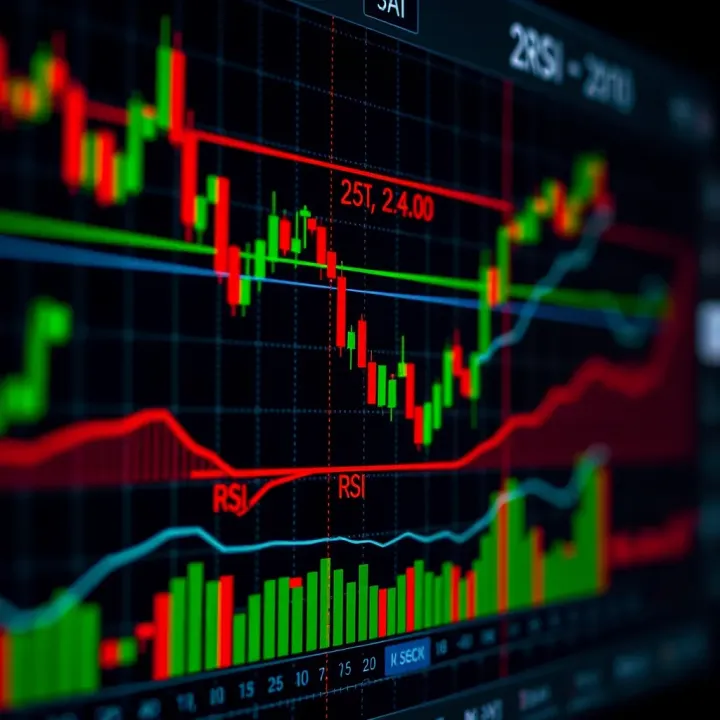
The ability of bar charts to display highs and lows makes them invaluable for spotting support and resistance levels. If an investor notices frequent price rejections near a certain level on a bar chart, it signals a real barrier where buyers or sellers have historically stepped in. This level of detail supports better entry and exit decisions.
Line charts have their place when simplicity is key, especially for traders who want a quick snapshot of overall trend direction without distractions. By connecting the closing prices over time, line charts smooth out the noise and highlight the general price path, which is often enough for beginners or those focusing on broad market moves.
For long-term investors keeping an eye on trends in indices like the KSE-100, line charts provide a clear visual of upward or downward trends across months or years. They’re particularly handy when comparing multiple securities side-by-side since they’re less cluttered than bar or candlestick charts.
The simplicity of line charts comes at a cost: important nuances in price action get lost. Traders who rely only on line charts risk missing intraday volatility or sudden reversals that happen within the trading session. In Pakistan’s energy sector, for example, where prices can be erratic, relying just on close prices might lead to overlooking key short-term signals.
For Pakistani traders, mixing both chart types depending on the trading style and market condition is wise. Bar charts serve well when details matter; line charts work best for a clean overview.
By choosing the right chart type at the right time, traders in Pakistan can better navigate market changes and avoid getting blindsided by incomplete data. Combining this understanding with local market knowledge adds an edge in decision-making.
When it comes to making sense of trading charts, key indicators provide the much-needed extra insight beyond just looking at price movements. These tools help traders spot potential opportunities and risks with more clarity. In the context of Pakistani markets, where volatility can sometimes catch traders off guard, indicators like moving averages, volume metrics, and the Relative Strength Index (RSI) become essential for making confident decisions. Without them, it’s like trying to read a map without a compass – possible, but prone to errors.
Moving averages smooth out price data to identify the direction of trends more easily. The two most common types are the Simple Moving Average (SMA) and the Exponential Moving Average (EMA). SMA calculates the average price over a set period, giving equal weight to each price point, while EMA puts more emphasis on recent prices, reacting faster to changes.
For instance, a 50-day SMA is widely used by traders to understand mid-term trends in companies listed on the Pakistan Stock Exchange, such as Habib Bank Limited. If the current price stays above the 50-day SMA consistently, traders view it as a bullish sign, indicating upward momentum.
Moving averages signal trends by crossing over each other or the price itself. When a short-term moving average crosses above a long-term one, it’s often called a "golden cross" which hints at a potential upward trend. Conversely, a "death cross" signals a possible downturn. Pakistani traders especially watch these signals during earnings season when stocks tend to move sharply.
Volume tells you how much of a stock or currency is traded over a certain period. It’s crucial because price moves on low volume can be deceptive, while moves accompanied by high volume are considered more reliable. Imagine a rally in Lucky Cement shares; if the rise happens on heavy trading volume, it suggests strong investor interest and might confirm the price move.
Common volume tools include the Volume Moving Average, On-Balance Volume (OBV), and the Volume Rate of Change (VROC). OBV, for instance, adds volume on up days and subtracts on down days to signal buying or selling pressure. Traders use it alongside price charts to confirm trends or warn of reversals.
RSI measures the speed and change of price movements, showing whether an asset is potentially overbought or oversold on a scale from 0 to 100. Typically, an RSI above 70 signals that the asset might be overbought and due for a pullback, while below 30 suggests it could be oversold and ready for a bounce.
For Pakistani traders dealing with volatile markets like forex pairs involving the Pakistani Rupee, RSI offers a quick gauge of momentum shifts. Combining RSI with support and resistance levels can improve entry and exit timing.
Using RSI in trading decisions involves watching for these overbought and oversold conditions but also spotting divergences—when price makes a new high or low but RSI doesn’t. This mismatch often hints at a weakening trend and possible reversal.
Remember, no indicator works perfectly on its own. It’s about combining moving averages, volume, RSI, and other tools to create a fuller picture before making trading calls.
Customizing your trading charts plays a critical role in better market analysis. It allows traders to see data in the way that makes most sense to them, reflecting their style, strategy, and the specific market conditions they face. For traders in Pakistan, where market conditions fluctuate quite a bit, tailoring the chart view can be the difference between spotting an opportunity and missing it.
A good example is a local stock trader who prefers using 15-minute charts but switches to daily charts when looking at medium-term trends. This flexibility gives clearer insight without drowning in noise. Customizing charts means not only picking the right data intervals but also setting tools and alerts that reflect your trading goals, thus saving time and improving decision-making.
Picking the right time frame depends on your trading style and objectives. If you're day trading stocks on the PSX (Pakistan Stock Exchange), minute-based charts like 1, 5, or 15-minute intervals provide detailed price movements that help in quick decisions. For swing traders or investors, daily or even weekly charts give a bigger-picture view less affected by intraday noise.
For example, a seasoned trader dealing with KSE-100 index futures might use 5-minute charts for entry points but switch to daily charts to confirm the overall trend. This choice allows you to balance detail and clarity without getting overwhelmed.
Time frames heavily influence the signals you see. Shorter intervals capture more data points and more 'noise'—small fluctuations that can mislead traders if viewed out of context. Conversely, longer periods smooth out these bumps, highlighting underlying trends but potentially delaying response to rapid changes.
Using inconsistent time frames can skew your trading signals. For instance, a support level evident on daily charts might not show up clearly on a 1-minute chart. Understanding this helps traders avoid chasing false breakouts or holding positions too long against a trend. More importantly, watching several time frames side-by-side can confirm signals and reduce risk.
Support and resistance levels act as psychological barriers where prices tend to pause or reverse. Marking these on your charts can guide entry and exit points. Pakistani traders might mark a support level based on historical lows of a favorite stock like Oil & Gas Development Company or a resistance point near previous highs.
Alerts can be set to notify you when prices approach these levels, letting you prepare rather than react too late. For example, setting an alert when a stock hits its 100-day moving average acting as support helps catch timely buy opportunities.
Trend lines connect successive highs or lows to show the direction of price movement. Drawing these lines helps spot patterns like uptrends or downtrends, which may not be obvious at a glance. Channels, created by drawing parallel lines above and below the price trend, provide a range within which price is expected to oscillate.
For instance, if you've drawn a trend channel on Karachi Stock Exchange data, buying near the lower line and selling near the upper line can be a low-risk approach. The key is regularly updating these lines as new data comes in, adjusting for shifting trends and preventing outdated analysis.
Setting alerts and using drawing tools lean toward proactive trading. In volatile Pakistani markets, these features help traders stay ahead, avoid guesswork, and act on objective signals rather than emotions.
Customizing your chart views isn’t a one-time setup — it requires ongoing tweaks based on changing markets and strategies. But once mastered, it empowers your trading with clarity and control.
When trading in markets like Pakistan’s, it's easy to get caught up in the numbers and lines of trading charts. However, charts aren’t crystal balls; they don’t offer guarantees but only snapshots based on historical prices. Traders need to understand their limitations to avoid costly mistakes. Recognizing these limits helps keep expectations grounded and supports better risk management.
For example, Pakistani stock markets often face sudden jumps due to political or economic news that charts alone can't predict. A trader relying solely on price trends may miss such outliers. Understanding that charts offer clues rather than certainties is the first step toward smarter trading.
Markets are influenced by countless unpredictable factors—from government policy shifts and foreign exchange rate swings to global commodity prices affecting Pakistan’s exports. Charts reflect past behavior, but they can’t foresee events like sudden sanctions or supply disruptions. This unpredictability means no chart indicator or pattern can guarantee success every time.
Traders should view charts as helpful tools, not foolproof solutions. To illustrate, think of charts like a weather forecast—it guides your plans but won’t stop an unexpected shower. Always prepare for surprises by setting stop-loss orders and keeping cash reserves. This practical mindset safeguards your portfolio against unforeseen volatility common in local markets.
Charts become far more powerful when paired with diverse information sources. Economic indicators, news reports, company earnings, and geopolitical developments provide context behind the numbers. For instance, a rising volume on a stock like Pakistan State Oil (PSO) might indicate buying interest, but without understanding oil price trends or government subsidy policies, the picture remains incomplete.
Combining chart analysis with fundamental research offers a balanced view. Seasonal trends, central bank decisions, and currency fluctuations are critical to interpreting chart signals accurately. Pakistani traders should follow reliable financial news and market updates alongside chart studies to make informed decisions.
Chart patterns like head and shoulders, double tops, or bullish engulfing candlesticks are common, but their misuse can lead to wrong calls. Mistaking random price movements for valid patterns is a frequent trap. For example, seeing a bullish engulfing pattern on a low-volume day in Pakistan’s KSE-100 index may give a false buy signal.
To avoid this, traders should confirm patterns with volume and other indicators. Jumping the gun on incomplete signals often results in losses. Practice patience and wait for confirmation rather than acting on every shape that resembles a classic pattern.
Charts focus on price action but miss out on the bigger picture. Local or global economic situations can render chart patterns irrelevant. During times of political instability in Pakistan, market sentiment can override technical signals. Ignoring such context means risking decisions based on incomplete data.
Successful traders pair chart analysis with an attuned sense of market mood. Watching for news on inflation rates, trade policies, or regional conflicts adds valuable layers to interpreting charts. Without this, even the most precise chart setups can flop.
Remember, charts are just one piece of the puzzle. Overlooking their limitations can lead to poor trades.
In sum, understanding what charts can and cannot tell you saves time and capital. Pakistani traders who keep these risks in mind are better placed to navigate volatile markets and make sound investment choices.
Navigating the local trading scene in Pakistan brings unique challenges and opportunities that can color how traders use chart views. Practical tips tailored to our markets help make sense of these challenges, offering ways to better interpret data and act confidently. Whether you're eyeing the Karachi Stock Exchange or working with forex pairs like PKR/USD, knowing how to adjust your tools and strategies for local quirks can mean the diffence between a small profit and a missed chance.
When it comes to picking a trading platform, it’s not just about flashy features but the tools it offers to decode the charts effectively. A platform that supports various chart types (candlestick, line, bar), allows easy toggling between timeframes, and integrates key indicators like RSI or moving averages is invaluable. Features such as customizable alerts and drawing tools help traders mark significant price levels and trend lines, saving time and cutting down errors.
Platforms should also offer real-time data and swift execution speeds because in volatile markets like Pakistan's, delays can cost dearly. Equally important is the availability of educational resources, helping traders understand chart nuances without juggling multiple sources.
Popular platforms in Pakistan include Thinkorswim by TD Ameritrade, known for its powerful charting capabilities, and MetaTrader 5, favored for forex and stock trading with rich tools and flexibility. Investous offers a more beginner-friendly experience but still covers essential charting needs. These platforms support traders by providing both advanced visuals and practical usability.
The Pakistani market isn’t like the US or Europe; it has its own rhythm with periods of high volatility, often triggered by political developments or economic news. This volatility means traders must fine-tune their chart analysis - relying solely on fixed indicators can be misleading during sudden price swings.
For example, during election season, price spikes on certain stocks might look like breakout signals but reflect short-term speculation. So, trusting volume indicators alongside price movements adds an extra layer of verification.
Currency and stock trading in Pakistan also require understanding the interplay between local economic events and global market forces. The Forex market dealing PKR pairs responds sharply to central bank rate changes or import-export data. Traders monitoring charts for entry points should keep an eye on these events and adjust analysis timeframes accordingly — shorter timeframes for quick trades during high news flow, and longer for steady trends afterward.
Practical insight: Combining chart patterns with real-time news and volume data specifically tuned to Pakistan's markets enhances decision quality.
Remember, charts are powerful tools but need local context to truly work. By aligning your platform choice and chart use with the specifics of Pakistani markets, you gear yourself for smarter trading moves tailored right here at home.
📈 Discover a practical guide to online trading in Pakistan. Learn market types, key tools, strategies, and risk tips to trade smarter and safer today!
📊 Explore trading on Quotex with our guide tailored for Pakistan! Learn account setup, trade types, risk tips, strategies & legal insights to trade smart.
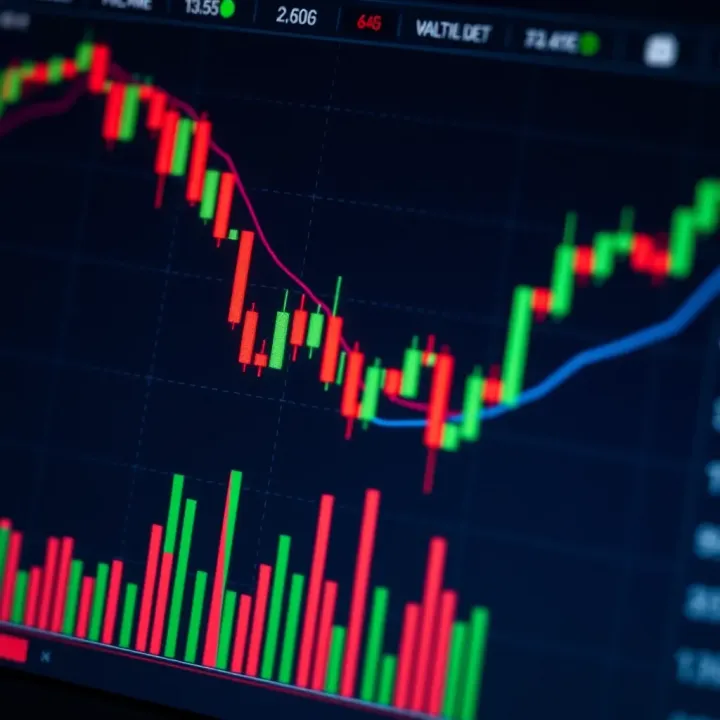
📈 Explore trading charts types, key indicators, and expert tips tailored for Pakistani traders to enhance market decisions and avoid common pitfalls.
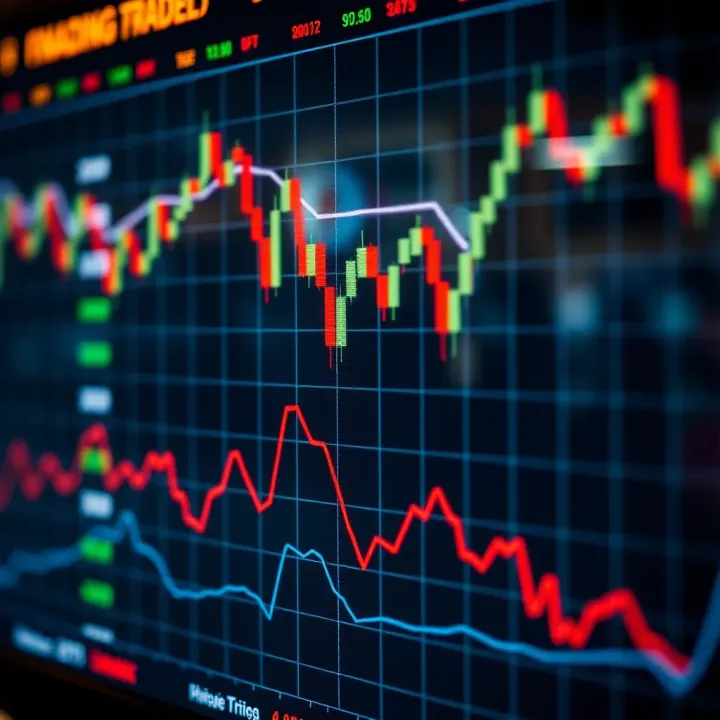
📈 Learn how to trade CFDs in Pakistan with insights on market strategies, risk management, regulations, and broker selection for confident trading decisions.
Based on 8 reviews