

Top Trading Platforms in Pakistan: A Clear Guide
Explore top trading platforms in Pakistan 📊 with detailed insights on features, fees, security, and user tips to pick the best fit for your investments.
Edited By
Henry Shaw
Trading in Pakistan has seen quite a shake-up over the past few years. With the surge in internet access and mobile technology, more people are jumping on the bandwagon, trying their hand at digital trading from the comfort of their homes. But here’s the catch — without the right trading platform, even the most experienced trader can end up spinning their wheels.
What exactly is a trading platform? At its core, it’s software that allows traders to place orders for financial securities through a brokerage. Think of it as your personal trading desk, packed into your laptop or phone. From stocks to forex, these platforms give you tools, charts, live data, and more to give you a fighting chance in the markets.
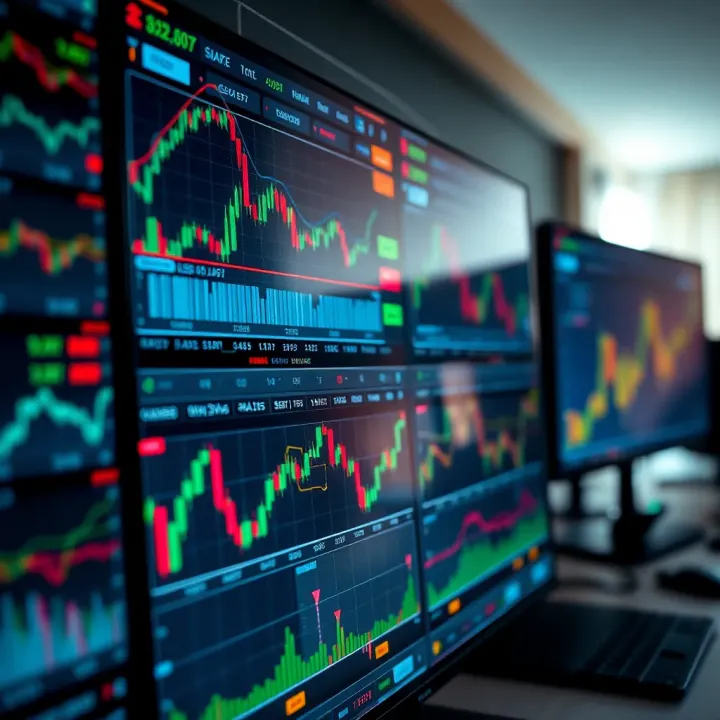
This guide is designed specifically for Pakistani traders who want to make informed choices. Understanding the nuances of different platforms can save you time, money, and headaches. We’ll break down the types of platforms available, what features actually matter, and how local Pakistan regulations play into your options. Plus, we’ll chat about common challenges like security and user experience.
In a nutshell, if you’re thinking about diving into trading or looking to switch your platform, read on. By the end, you’ll have a clearer picture of what to look for and how to set yourself up for a smoother trade in Pakistan's unique market environment.
A trading platform is the gateway through which traders buy and sell assets in financial markets, whether stocks, commodities, forex, or cryptocurrencies. For Pakistani traders, understanding what a trading platform does is essential because it dictates how efficiently and securely they can execute trades. These platforms provide all the necessary tools to analyze markets, place orders, track investments, and manage risks—all from one interface.
Trading platforms save traders from the old days of phone orders or paper slips, where mistakes were common and speed was limited. Today, they offer direct market access and real-time data, which means a trader in Karachi can respond just as fast as someone in New York. Since the trading environment moves quickly, having a reliable platform can make the difference between catching a good deal or missing out.
Simply put, a trading platform is a software application that lets traders interact with financial markets. Its main purpose is to execute buy and sell orders for various assets like shares, currencies, or indices. These platforms connect to exchanges or brokers, acting as the middleman that processes and records each trade.
For Pakistani traders, the value lies in several practical features. For example, they can monitor the Pakistan Stock Exchange (PSX) in real time or access foreign markets like the New York Stock Exchange through international brokers. It’s not just about placing orders—platforms also offer tools to analyze price movements, set alerts on market changes, and automate trades based on strategies.
Think of a trading platform as your personal trading desk but on your computer or phone. It makes trading accessible, smoother, and safer, helping you make quick decisions based on live information.
At their core, trading platforms act as the bridge between a trader and the market. When you decide to buy or sell an asset, you input your order into the platform. This order gets sent to the broker or directly to the exchange where the trade happens.
The platform handles several behind-the-scenes tasks:
Order Routing: It sends your trade request to the correct place for execution.
Market Data Feed: It continuously pulls information like current prices, volume, and historical charts so you see what's happening in real time.
Account Management: It shows your available balance, open positions, past trades, and more, all updating automatically.
Consider a scenario where you want to buy 100 shares of a local company like Engro Corporation. You enter the order in your platform, set the price limit, and the software sends this order to PSX through your broker. Once executed, the platform updates your account instantly.
Furthermore, modern platforms often include features like stop-loss orders to minimize losses or take-profit settings to automatically secure gains. This means even if you’re away from your desk, your trading strategy is still in action.
In short, understanding how trading platforms operate helps traders pick the right one that matches their style, tech comfort, and market interests, especially within Pakistan's evolving trading scene.
Knowing about the different types of trading platforms is like having the right toolkit for a specific job. Every trader, from beginners in Lahore to experienced investors in Karachi, needs to find the platform style that suits their trading habits and goals. There are mainly three categories to consider: web-based platforms, desktop applications, and mobile trading apps. Each comes with its own pros and cons that affect usability, speed, and access.
Web-based trading platforms work directly through your internet browser—no downloads required. For Pakistani traders, this means quick access from any computer without the hassle of installing software. Take UTrade, a popular local platform, as an example. You can simply log in through their website, place your trades, and monitor markets anywhere.
These platforms are convenient for casual traders or those who switch between multiple devices. However, their speed and features can be limited by your internet connection and browser performance. Some advanced tools might not run as smoothly as on other platform types, but for everyday trade execution and market checking, web platforms hold their own.
Desktop applications provide a more immersive and powerful trading experience. These are software programs you download and install on your PC or laptop. Platforms like MetaTrader 5 and local brokerage tools such as PSX’s proprietary software offer rich charting tools, faster execution speeds, and greater customization.
For traders in Pakistan who dive deep into technical analysis or need robust order management capabilities, desktop platforms are invaluable. The downside is less flexibility—you're tied to the machine where the software is installed. Plus, updates and maintenance require a bit of savvy, especially if you’re juggling multiple accounts or brokers.
In today's fast-moving markets, mobile trading apps let you stay connected and act on opportunities anytime. Pakistani platforms like HBL Konnect and some international apps such as eToro provide well-designed mobile interfaces that bring the market to your fingertips.
Mobile apps are excellent for monitoring portfolios on the go or making quick trades during market swings. But they often lack some advanced analysis tools found on desktops and may drain your phone’s battery if used extensively. Still, for traders juggling busy lives or those who prefer a simple, immediate way to trade, mobile apps are a solid choice.
Different traders have different priorities. The key is knowing which platform type fits your trading style and lifestyle best. Whether it’s the flexibility of web-based platforms, the depth of desktop applications, or the convenience of mobile apps, understanding these can make a real difference in your trading experience.
In summary, Pakistani traders need to balance ease of access, feature requirements, and device availability when selecting among these platform types. Trying demos or free versions can be a helpful step before deciding which suits you best.
Choosing a trading platform is like picking a car: you want something reliable, easy to handle, and suited to your specific needs. For Pakistani traders, it’s essential to look beyond surface-level features and focus on what truly impacts your trading experience. The right platform can provide you with smooth navigation, quick order processing, insightful analysis tools, and the flexibility to trade on the go.
When trading in volatile markets or when quick decisions matter, certain features can make a clear difference. Platforms lacking speed or usability can lead to missed opportunities or costly errors. Meanwhile, tools that support detailed analysis offer a competitive edge, helping you read market trends better. Plus, mobile compatibility is no longer a luxury; it’s a necessity for staying connected.
Let’s break down the key aspects you should prioritize:
User interface (UI) is the face of any trading platform. A cluttered or confusing UI can turn a promising platform into a frustrating experience. Pakistani traders, especially beginners, benefit from clean layouts, intuitive menus, and clearly labeled functions—think of it like walking into a shop where everything is easy to find and the checkout process is straightforward.
For example, platforms like MetaTrader 5 offer customizable dashboards, so you can arrange your most-used tools upfront. This saves time and reduces mistakes. A platform with simple navigation lets you spot essential info like watchlists or active orders without hunting through tabs. This simplicity boosts confidence and efficiency, two key factors when market timing matters.
In trading, seconds can mean the difference between profit and loss. Order execution speed—the time a platform takes to place your trade after you click “buy” or “sell”—is crucial. A delay might cause your trade to fill at a different price, especially during market swings.
For instance, platforms relying on direct market access, like Interactive Brokers, offer faster execution compared to those using dealing desk models. Pakistani traders dealing in forex or equities should focus on platforms with low latency and reliable servers. Speed isn’t just about technology; it also points to the platform’s stability under pressure.
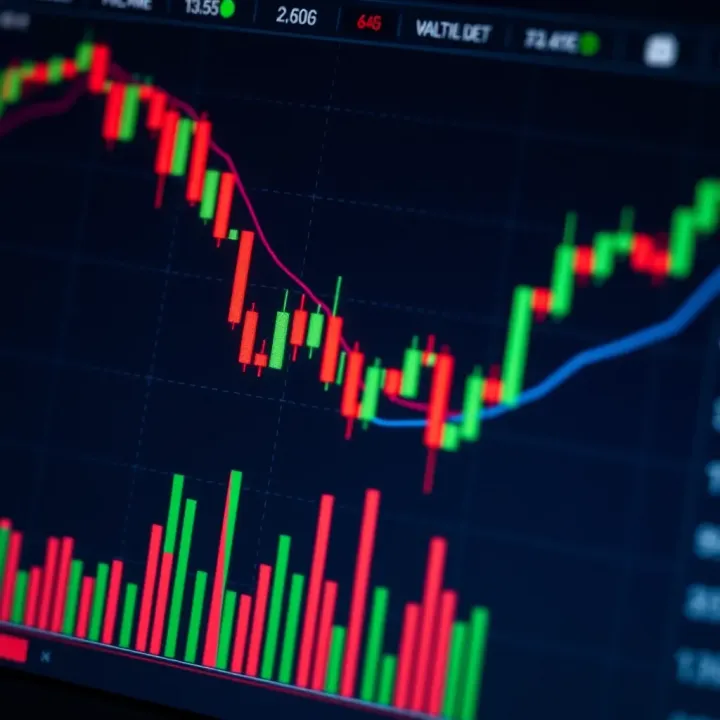
Charts and technical indicators are the bread and butter for many traders. They help predict future price moves by analyzing past data. A platform packed with versatile charting capabilities allows traders to switch between timeframes, apply various indicators like RSI or Bollinger Bands, and draw trendlines or Fibonacci retracements easily.
Take TradingView, for example, popular among Pakistani traders for its rich array of charts and community-shared strategies. Platforms that support customizing indicators or backtesting strategies give serious traders a leg up. Without these tools, making informed decisions becomes guesswork.
In Pakistan’s bustling cities and growing internet access, mobile trading is catching on fast. Mobile compatibility ensures you can monitor markets and make trades while on the move. A well-designed mobile app mirrors the desktop experience’s core features without feeling cramped or clunky.
Apps like MetaTrader 4 and HBL Konnect’s trading interface are good examples, offering real-time quotes, alerts, and easy order management. This lets traders react quickly to market news or sudden price changes. For anyone requiring constant market monitoring, mobile functionality is non-negotiable.
Picking a trading platform comes down to matching these features with your style and needs. A fast, user-friendly platform that provides advanced charts and reliable mobile access sets you up for better trading outcomes in Pakistan’s dynamic markets.
In summary, focus on these key features to avoid common pitfalls and make smart choices:
Intuitive user interface for easy navigation
Fast and reliable order execution
Comprehensive charting and tools for analysis
Seamless mobile compatibility for trading anytime
Investing time to understand these aspects upfront can save headaches and improve your trading journey over the long term.
In Pakistan, traders have access to a range of trading platforms that cater to different preferences and trading needs. Understanding the popular options is crucial because the right platform can make all the difference between smooth trading and frustrating delays or losses. These platforms are designed to handle local market specifics but often also integrate international markets for diversified trading.
Local brokerage platforms are tailored to Pakistan’s financial market conditions and regulatory environment. Examples include PSX’s own Pakistan Stock Exchange Trading System (PSX ATS) and proprietary platforms from brokerage firms like AKD Securities, Topline Securities, and Arif Habib Limited. These platforms typically provide direct access to the Pakistan Stock Exchange with features designed for local investors, such as integration of regional payment options and direct deposit facilities.
One practical benefit of local brokerage platforms is the ease of regulatory compliance. Transactions through these platforms naturally follow Pakistan’s legal framework, making it simpler for traders to manage taxes and reporting. For instance, Topline’s platform allows traders to view real-time market data and initiate orders quickly, which is essential during volatile market conditions.
Another key point is the usually lower cost structure compared to international platforms, as local brokers often provide more competitive commission rates. However, sometimes local platforms might lag behind in offering advanced charting or international stock access.
For traders looking beyond the Pakistani market, international platforms provide a gateway to global exchanges like NASDAQ, NYSE, or even emerging markets. Platforms such as MetaTrader 4 and 5 (MT4/MT5), Interactive Brokers, and eToro are popular choices among Pakistani traders.
These international platforms come with sophisticated tools for technical analysis and automated trading that local platforms might lack. For example, MT5 offers algorithmic trading capabilities and extensive research tools that are beneficial for active traders or those looking to diversify strategies.
Accessing these platforms often requires a bit more effort in terms of compliance and regulatory paperwork, and users should keep in mind currency conversion and international transaction fees. Despite these hurdles, the upside is significant: you get access to a wider range of markets and asset classes, cybersecurity measures frequently updated, and often better liquidity.
For Pakistani traders, mixing local platforms with international ones can be a smart way to balance familiarity and reach global opportunities. Getting comfortable with the strengths and limitations of each platform allows for better decision-making.
To sum up, whether you pick a local brokerage platform or an international one, it boils down to your specific trading goals, how much support you need, and which markets you want to explore. Knowing these options well equips you to make smarter choices and manage your trades effectively.
Selecting the right trading platform is a step that can’t be rushed or taken lightly, especially for traders in Pakistan looking to make smart moves in local and international markets. The choice affects everything—from the speed of your trades to the security of your funds. It’s not just about picking a platform with shiny features but about matching it to your unique trading style, budget, and support needs.
Before you dive into the sea of trading platforms, you need to get a clear picture of what you truly require. Are you a casual investor looking to place occasional trades, or a day trader who needs lightning-fast execution and advanced charting? For instance, a beginner may prioritize platforms like UBL’s SmartTrade for its user-friendly interface, while seasoned traders might opt for MetaTrader 5, which is packed with sophisticated tools.
Think about the markets you want to trade in—whether that’s stocks, forex, commodities, or cryptocurrencies—as some platforms specialize in certain asset classes. Also consider your preferred device: do you plan to trade mostly on a smartphone during your commute or from a desktop with multiple monitors? This self-assessment sets the groundwork to narrow down the choices.
No one enjoys hidden surprises, especially when it comes to fees. Transparent pricing is key. Different platforms have varying commission structures; for example, some charge per trade, while others make it up with spreads or monthly fees. Alpari and Interactive Brokers have different fee policies, so comparing these is essential.
Watch out for any additional charges like withdrawal fees, inactivity penalties, or delays in fund transfers, which can quickly chip away at your profits. The trick is to calculate how these costs stack up relative to your trading frequency and volume. A platform with a higher fee but superior execution speed might still be a better deal if it reduces slippage and misses orders.
Trading can be stressful, and when the platform hiccups or questions arise, prompt and reliable customer support becomes a lifesaver. It’s worth checking if the platform offers support in languages you’re comfortable with and how accessible their team is—through phone, chat, or email.
Moreover, many platforms offer educational resources such as webinars, tutorials, and market analysis. For example, HBL Konnect provides basic tutorials that help new traders get started, while platforms like MetaTrader offer a wealth of community-driven content and plug-ins.
Fast, friendly support combined with solid learning materials doesn’t just help you fix issues; it can elevate your trading skills over time.
In summary, choosing a platform isn’t just about flashy features or the lowest fees. Understanding your own needs, carefully weighing the costs, and ensuring the platform’s support aligns with your expectations can make the difference between a frustrating experience and a successful trading journey. These factors are especially important in Pakistan where market conditions and regulatory contexts add unique layers to the decision.
When dealing with trading platforms, security isn't just a nice-to-have—it’s a must. For traders in Pakistan, where online trading is becoming more popular, understanding the nuts and bolts of platform security can save you a lot of headaches. Security aspects protect your money, personal data, and trades from being exposed to hackers or unauthorized access. This means choosing a trading platform with solid safety practices isn’t just about trust; it’s about actively protecting your investments and keeping your personal information locked tight.
Data protection is the backbone of any secure trading platform. Simply put, encryption scrambles your information so that even if someone intercepts it, all they see is gibberish. Think of it like sending a secret letter written in a code only you and your platform understand.
Pakistani traders should look for platforms that use at least 128-bit encryption—many big names like MetaTrader 5 or Interactive Brokers use 256-bit encryption, which is even better. For example, when you enter your bank details or password on these platforms, encryption ensures hackers can't just snatch those details over public Wi-Fi or insecure networks.
Additionally, platforms should have strong firewalls and secure servers housed in reputable data centers. Beware of platforms lacking HTTPS in their web addresses—that’s a red flag! It’s also smart to enable two-factor authentication (2FA), which adds an extra step before you log in, like entering a code sent to your phone.
Regulatory compliance matters because it ensures your trading platform follows the law and keeps your interests in mind. In Pakistan, the Securities & Exchange Commission of Pakistan (SECP) oversees financial markets, including online trading platforms. If a platform is registered or recognized by SECP, it generally means it meets minimum standards for transparency, fairness, and security.
Trading on unregulated or offshore platforms might seem tempting due to lower fees or easier account opening, but it poses serious risks. For instance, some offshore platforms might not have proper safeguards, and getting your money back if something goes wrong can be next to impossible.
Pakistani traders should check:
Whether the platform is registered with SECP or other recognized regulatory bodies
If the platform clearly details its risk policies and client fund protections
Customer support responsiveness and dispute resolution mechanisms
Choosing a platform compliant with local regulations not only protects your investments but also gives you peace of mind that legal recourse is available if problems arise.
By paying close attention to these security factors, traders in Pakistan can confidently engage in the markets without worrying that their data or money could vanish overnight. Security isn’t just about technology—it’s about trust, safety, and professionalism in your trading journey.
Trading platforms might look like the straightforward tool they’re supposed to be, yet many traders in Pakistan face uphill battles when working with them. Recognizing these common challenges can help traders avoid costly mistakes and stay a step ahead.
One major hurdle is technical issues and downtime. Every platform is software at its core, and problems can pop up unexpectedly. Then there's the tricky side of navigating volatile markets, which demands quick thinking and a solid grasp of market behavior through the platform’s interface.
These challenges aren't just annoyances; they can heavily impact trading results. Pakistan’s market environment, where internet outages or sudden price swings in stock or currency pairs aren’t unheard of, makes understanding these stumbling blocks all the more important.
When the markets are hot, and a trader spots an opportunity, slow or crashed platforms can spell disaster. Technical hitches range from slow loading times, failed order executions, to complete outages. Even a delay of a few seconds can lead to missing out on favorable trades or getting stuck with unwanted positions.
For example, a trader using the PSX's official trading portal during peak hours may experience lag due to heavy traffic. Downtime not only stops trades but can also cause panic selling or buying, especially when the market is swinging wildly. Even established platforms like MetaTrader 5 or Thinkorswim can face server downtime.
To tackle this, traders should always have a backup plan:
Maintain access to more than one platform if possible.
Make sure the internet connection is reliable.
Keep an eye on platform status updates or scheduled maintenance announcements.
Technical setbacks aren't rare, but being prepared reduces their sting.
Pakistan’s trading environment can be particularly volatile, influenced by economic updates, political events, or forex fluctuations. Such volatility tests a trader’s nerves and their platform's capability to keep up.
A platform loaded with advanced tools for real-time data, alerts, and fast order types helps manage this chaos. Yet, without knowing how to use these features or reading the market’s pulse, traders might still find themselves in deep water.
For instance, during the rupee’s rapid depreciation, many traders saw their stop-loss triggers activated due to price gaps, partly because the platform's order execution was delayed or the trader misjudged the market moves.
Here’s how traders can better navigate market turbulence:
Use platforms offering real-time streaming quotes and lightning-fast execution.
Learn to use different order types like limit, stop-loss, or trailing stops effectively.
Stay updated with news that can affect market conditions.
By understanding these common issues, Pakistani traders can improve their chances of consistent trading success while avoiding unnecessary losses triggered by platform limitations or market swings.
Trading platforms aren't just tools to place orders—they have a big role in shaping your trading results. For Pakistani traders navigating complex markets, knowing how to get the most out of these platforms can make a real difference. This section digs into how you can sharpen your trading edge by using the platform’s tools wisely and understanding the nuts and bolts of order types.
Most modern trading platforms come packed with analytical features like charting tools, indicators, and real-time data feeds. These aren't just flashy add-ons—they can help you spot trends, time your entries and exits, and understand market sentiment better. For example, if you’re trading on MetaTrader 4, you can set up moving averages or RSI (Relative Strength Index) to gauge when a stock might be overbought or oversold.
By integrating these insights, traders can avoid jumping the gun or holding on to losing positions for too long. It’s a bit like having a GPS for your trading decisions—you're less likely to stray off course. Pakistani traders should also look for platforms that update data quickly, as lagging information can cost money, especially in volatile markets found here.
Remember, the value of analytics depends on how you use them—blindly following indicators without context is like driving with eyes closed.
Knowing which order type to use is a cornerstone of effective trading. It’s not just about buying or selling; it’s about how and when. Common order types include market orders (buying or selling immediately at current prices), limit orders (setting a price at which you want to buy or sell), and stop orders (triggered when the price hits a certain level).
For instance, say you want to buy a stock on the Pakistan Stock Exchange but only if it drops to a certain price—using a limit order saves you from overpaying in a rapidly changing market. Or, if you want to protect profits, a stop-loss order can automatically sell your position if prices fall below your set point.
Grasping these order types can help you manage risk better and execute your trading strategy more precisely, which is vital when market swings can happen suddenly here. Platforms like ThinkMarkets or Interactive Brokers, available to Pakistani traders, come with these adaptable order options, so it’s worth investing time in mastering them.
In summary, improving your trading success isn't about luck but understanding the tools at your disposal and using them smartly. Analytical tools give you a clearer picture of the market, while the right order types help you act confidently and minimize losses. Getting comfortable with both can turn a basic trading platform into a powerful ally in your trading journey.
Customer support plays a fundamental role in ensuring traders have a smooth experience on their chosen platform. For Pakistani traders, who may face unique challenges such as language barriers or regional service limitations, having dependable support can make all the difference between a frustrating loss and a well-managed trade.
When the market’s moving fast, every second counts, and waiting hours for help just isn’t an option. That’s why availability is a top priority. Good trading platforms offer support around the clock or at least during Pakistan’s trading hours, ready to address issues instantly. For example, Metatrader 5 brokers typically provide 24/7 chat support, which can be a lifesaver when something goes awry during off-hours.
Responsiveness refers not just to quick replies but also to effective solutions. Let’s say a trader in Karachi spots a glitch in order execution on their mobile app. They call or message customer support and get a prompt acknowledgment followed by clear guidance to fix the issue. This level of service can keep traders from losing money or missing critical market moves.
Not everyone starts as an expert; many traders need a bit of handholding to navigate complex platforms or understand new trading strategies. Quality customer support teams often extend beyond just fixing problems—they offer educational resources that help users build confidence.
For instance, platforms like Thinkorswim from TD Ameritrade provide tutorials, webinars, and detailed FAQs tailored to every skill level. Such resources are particularly valuable for Pakistani traders who may not always have access to local workshops or seminars.
These educational tools can range from simple how-to guides explaining order types to deeper dives into technical analysis using the platform's charting tools. Over time, this support enriches traders' knowledge and turns what could be overwhelming menus and charts into familiar territory.
Strong customer support not only resolves immediate concerns but also empowers traders, paving the way for smarter and more confident decisions.
In summary, the role of customer support in trading platforms isn’t just about troubleshooting; it's about being there when traders need them most and helping traders learn to fish rather than just handing them the catch. Pakistani traders should prioritize platforms that offer swift, understanding, and comprehensive support services to enhance their overall trading experience.
Understanding the costs and fees tied to trading platforms is a must for anyone dipping their toes into trading, especially in Pakistan where cost structures can differ significantly. These fees directly impact your profits and trading strategy. Knowing what you’re paying for can help you avoid nasty surprises and manage your expenses better. Let’s break down the key costs you’re likely to encounter.
Traders most often bump into commission fees and spreads. Commission is a fixed or percentage fee charged by the platform or broker every time you buy or sell an asset. For example, a local broker in Karachi might charge Rs. 50 per trade or a small percentage of the trade value, depending on the volume.
Spread charges are the difference between the buy and sell price of an asset, and this gap is where the platform makes money without an explicit fee. For instance, if you buy a stock at Rs. 100 but the selling price is Rs. 99.90, the Rs. 0.10 difference is your cost. Platforms like MetaTrader often charge low or no commissions but widen spreads when markets are volatile, which sneaks in costs that traders might overlook.
For active traders, even small spreads can add up quickly, hitting profits over time.
Hidden fees are the real troublemakers that can eat into your earnings if you aren’t vigilant. Sometimes, platforms tack on charges for services like withdrawals, account inactivity, or even for real-time data feeds. A trader might find a withdrawal fee imposed when moving money out of “FooTrade,” a popular Pakistani brokerage platform, which can feel like a jab if you’re not ready for it.
Other sneaky costs include currency conversion fees when trading international stocks or forex, plus overnight holding fees if you keep leveraged positions open past trading hours. Not all platforms are upfront about these, so reading the fine print is non-negotiable.
To keep costs in check, always ask the right questions before committing:
What are the commission and spread rates?
Are there any charges for deposits or withdrawals?
What fees apply if I leave the account dormant?
How does this platform handle currency conversions?
By getting clear on these fees upfront, traders in Pakistan can avoid complications and pick platforms that suit their budget and trading style without unwanted expenses stacking up.
Trading platforms are constantly evolving, and staying up-to-date with future trends is essential for Pakistani traders who want to stay ahead of the curve. These trends affect everything from how trades are executed to overall user experience, security, and market access. Understanding upcoming changes helps traders choose platforms that will remain relevant and practical over time.
Many recent improvements in trading platforms stem from technological advances. For example, artificial intelligence (AI) is increasingly used to provide predictive analytics and personalized trade recommendations. Unlike traditional setups where traders sift through data manually, AI-powered tools can highlight patterns quickly, saving time especially for busy investors.
Blockchain technology is another game-changer, as platforms begin incorporating it to increase transparency and security in transactions. Some international platforms like eToro have started exploring blockchain-based verification, which could mitigate fraud risks. For Pakistani traders, this means safer and more reliable trade settlements down the line.
Automation is also on the rise. Automated trading strategies or "bots" are becoming more accessible and affordable, even on mobile apps. That means even casual traders can program their buying and selling rules and let the platform execute trades instantly without emotional bias.
Pakistan’s trading ecosystem itself is slowly shifting. With the government encouraging digitization and improved financial regulations, more investors from smaller cities can access markets using online platforms. This expansion is likely to boost demand for local services tailored to regional needs — like Urdu language support or customer help during local business hours.
Regulators such as the Securities and Exchange Commission of Pakistan (SECP) are tightening rules around digital investing platforms, which may increase transparency but also introduce stricter compliance requirements for brokers. This could push platforms to enhance their security measures and improve overall trustworthiness.
Furthermore, we might see integration between Pakistan’s stock markets and international exchanges becoming smoother, offering local traders more variety. For instance, easier access to global commodities or foreign stocks through domestic platforms could become common.
Keeping an eye on these trends allows Pakistani traders to adapt early, avoid costly platform switches, and take full advantage of new tools and market opportunities.
In summary, future developments like AI integration, blockchain use, and regulatory improvements are shaping trading platforms worldwide and within Pakistan. Traders who understand these trends can make better choices about which platforms to use, ensuring their trading remains efficient, secure, and relevant as markets evolve.
Explore top trading platforms in Pakistan 📊 with detailed insights on features, fees, security, and user tips to pick the best fit for your investments.
📈 Discover a practical guide to online trading in Pakistan. Learn market types, key tools, strategies, and risk tips to trade smarter and safer today!
📊 Explore trading on Quotex with our guide tailored for Pakistan! Learn account setup, trade types, risk tips, strategies & legal insights to trade smart.
📈 Explore trading charts types, key indicators, and expert tips tailored for Pakistani traders to enhance market decisions and avoid common pitfalls.
Based on 15 reviews