
Expected Dollar Rate in Pakistan: Trends & Factors
💰 Explore Pakistan’s expected USD to PKR rate with insights on inflation, foreign reserves, trade balance, and policy effects shaping business and consumer decisions.
Edited By
Liam Foster
The dollar-rupee exchange rate affects Pakistan's economy deeply, making predictions about its movements vital for traders, investors, and policymakers. Fluctuations in the dollar rate impact import costs, inflation, foreign debt servicing, and overall economic stability. Understanding the factors behind these changes and the methods used for forecasting can help stakeholders manage risks and make smarter decisions.
Exchange rates do not move randomly; they respond to multiple economic and political signals. In Pakistan's case, variables like the country's trade balance, foreign exchange reserves, remittance inflows, and monetary policies from the State Bank of Pakistan (SBP) play a major role. For instance, if the trade deficit widens because imports surge beyond exports, demand for the dollar rises, often pushing the exchange rate higher.
On the supply side, remittances from overseas workers boost foreign currency reserves, stabilising the rupee. Pakistan typically receives around $25 billion yearly in remittances, which helps offset the trade imbalance. Additionally, changes in SBP’s policy rate influence the cost of borrowing and foreign investment flow, impacting the dollar's demand and supply within the market.
Political events and international developments also affect dollar rate predictions. Election uncertainty or geopolitical tensions tend to weaken the rupee against the dollar as investors seek safety. Moreover, global factors like US interest rate decisions or shifts in commodity prices can create ripple effects on Pakistan’s exchange rate.
Clear insights into the mix of local and global factors allow businesses and investors to anticipate currency trends with better confidence, reducing surprises and losses.
Common approaches for predicting the dollar rate include:
Fundamental analysis: Examining Pakistan’s economic indicators such as inflation, GDP growth, remittances, and fiscal policy.
Technical analysis: Using historical exchange rate charts and trends to identify patterns and potential movements.
Market sentiment: Gauging investor emotions and expectations which sometimes drive short-term fluctuations.
By combining these methods and considering current economic data, analysts can produce forecasts that guide currency risk management and investment strategies. For example, exporters might hedge their dollar exposure if predictions point to a depreciating rupee.
Understanding these dynamics helps you see why the dollar rate behaves the way it does, and how paying attention to timely data and events is essential for making informed decisions in Pakistan's financial landscape.
Understanding the key factors influencing Pakistan’s dollar rate helps traders, investors, and analysts make informed decisions. Exchange rate fluctuations stem largely from economic indicators and political stability. Grasping these elements clarifies why the rupee strengthens or weakens and aids in forecasting future movements.
Inflation directly impacts the purchasing power of the rupee. When inflation in Pakistan rises beyond that of the US, the dollar tends to strengthen against the rupee as imports become more expensive and investors demand higher returns. For instance, during times of high inflation, the State Bank of Pakistan (SBP) may increase interest rates to curb rising prices. Elevated interest rates can attract foreign capital in search of better yields, supporting the rupee temporarily. However, if inflation remains uncontrolled, confidence in the currency declines, worsening the exchange rate.
Pakistan’s trade deficit – when imports exceed exports – is a persistent challenge affecting the dollar-rupee rate. A growing trade deficit means more dollars are leaving the economy, putting downward pressure on the rupee. The current account balance, which includes trade plus services and remittances, gives a fuller picture. For example, remittances from Pakistani workers abroad often help offset trade deficits, easing pressure on the rupee. Still, a widening current account deficit signals imbalance and usually triggers depreciation of the local currency.
Foreign exchange reserves are crucial buffers for stabilising the rupee. When reserves are ample, the SBP can intervene in currency markets to prevent sharp depreciation. For instance, if sudden capital flight puts pressure on the rupee, the SBP might use reserves to purchase rupees and supply dollars. Conversely, low reserves limit such flexibility, leading to more volatile exchange rates. Pakistan’s reserves often fluctuate due to factors like IMF programme disbursements, trade receipts, and foreign aid inflows, all influencing exchange rate stability.
The government and SBP’s approach to currency management impacts market sentiment. Policies such as adjusting interest rates, imposing import restrictions, or managing dollar supply shape demand and supply dynamics. For example, imposing higher tariffs on non-essential imports can reduce dollar demand, supporting the rupee. Conversely, inconsistent or unpredictable policies may deter foreign investment and weaken confidence in the currency.
Political stability plays a significant role in exchange rate movements. Uncertainty caused by elections, protests, or changes in government often triggers capital outflows and rupee depreciation. For instance, during election years, investors may adopt a cautious stance, avoiding risks until the political situation clarifies. Similarly, major political events may cause short-term volatility, influencing the dollar rate beyond fundamental economic factors.
Exchange rates reflect both economic realities and political sentiment, making a balanced understanding essential for those engaged in Pakistan’s forex market.

Forecasting the dollar rate in Pakistan involves various methods that help traders, investors, and policymakers make informed decisions. Understanding these methods is essential because exchange rates affect import-export costs, remittances, inflation, and overall economic stability. This section explains two main approaches commonly used: technical analysis and fundamental analysis.
Technical analysis relies heavily on studying past price movements to predict future trends. Traders use chart patterns such as head and shoulders, double tops, and triangles to identify possible direction changes in the rupee-to-dollar rate. For instance, a consistent upward trend with higher highs and higher lows may signal continued dollar strength. These patterns offer visual cues, aiding decision-making without delving too deep into economic data.
In Pakistan’s context, currency traders watching Forex markets in Karachi or Lahore often analyse intraday charts to time entry and exit points. Such techniques allow them to capture gains amid volatile fluctuations, especially during periods of political uncertainty or economic announcements.
Support and resistance are key price levels where the currency typically pauses or reverses direction. Support marks the price floor where buying interest appears strong, preventing further decline. Resistance, on the other hand, is the ceiling where selling pressure tends to increase, capping upward moves. Recognising these levels helps traders set stop-loss orders or target prices.
For example, if the dollar hits a strong resistance near Rs 280 but fails to break through, traders may short their positions anticipating a pullback. Conversely, if the rupee weakens to a support zone around Rs 275, buyers might step in, expecting a bounce. These tools provide a practical framework for managing risks in Pakistan’s often volatile exchange market.
Fundamental analysis assesses how economic variables affect currency value over time. Important indicators include inflation rates, interest rates set by the State Bank of Pakistan, trade deficits, and foreign reserves. For example, rising inflation in Pakistan reduces the rupee’s purchasing power, typically leading to depreciation against the dollar.
Similarly, if the SBP increases interest rates to control inflation, it may attract foreign capital, strengthening the rupee. Traders and analysts study these data points along with FBR tax collection reports and balance of payments to forecast medium to long-term currency trends. This approach offers a broader economic perspective rather than relying solely on price movements.
The currency market is also influenced by investor mood and expectations, known as market sentiment. For instance, rumours about potential IMF bailout packages or political instability can trigger speculative buying or selling of the dollar. In Pakistan, speculative activity often spikes before budget announcements or election results.
Moreover, sentiment analysis involves gauging risk appetite among foreign investors. If confidence in Pakistan’s economy declines, they may pull out investments, pushing the rupee down. Understanding these psychological factors helps traders anticipate sudden moves not always explained by fundamentals or charts alone.
Combining both technical and fundamental analysis provides a more comprehensive view of dollar rate predictions. Traders who rely on just one method may miss crucial signals affecting Pakistan’s complex exchange dynamics.
Technical analysis helps with timing trades and short-term decisions.
Fundamental analysis explains long-term trends and economic impact.
Market sentiment offers insight into sudden shifts driven by news or fear.
Using these methods together sharpens understanding and supports better decision-making in Pakistan’s currency market.
Tracking recent trends in the dollar-rupee exchange rate is vital for traders, investors, and policymakers in Pakistan. These trends reflect economic and political shifts at home and abroad, influencing decisions related to imports, exports, foreign investment, and remittances. By analysing recent movements, stakeholders can better anticipate currency fluctuations and manage risk effectively.
The year-to-year performance of the dollar against the Pakistani rupee offers a clear picture of long-term currency direction. For example, in the last three years, the PKR has seen a gradual depreciation from around Rs 140 per dollar in early 2021 to over Rs 280 in mid-2023. Such a decline highlights persistent economic challenges, including trade deficits and external debt pressures.
Understanding this trend helps businesses and investors plan for cost adjustments, especially those reliant on imported goods or foreign-funded projects. It also signals potential adjustments in the State Bank of Pakistan’s monetary policy, impacting interest rates and inflation control.
Volatility patterns in the exchange rate indicate how often and how sharply the dollar and rupee rates change within shorter periods. In recent months, Pakistan has witnessed intense swings due to political uncertainties and fluctuating foreign aid inflows. For instance, sudden drops or surges in the dollar rate have affected forex trading desks and importers, with some facing difficulties in hedging due to unpredictable movements.
Recognising periods of high volatility allows traders to adopt cautious strategies such as using forward contracts or options. Conversely, low volatility phases can signal market stability, encouraging more aggressive investment and trade decisions.
The US dollar’s strength on the global stage strongly impacts its value against the PKR. When the US Federal Reserve tightens interest rates, the dollar typically strengthens, drawing investment away from emerging markets like Pakistan. For example, rate hikes in 2022 led to a sharper fall of the rupee as investors sought stable returns in the US.
For Pakistani investors and policymakers, this means external factors beyond domestic control can sway currency values significantly. It's essential to follow US economic policies closely, as they affect capital flows and the cost of foreign currency borrowing for Pakistan.
Fluctuations in global commodity prices also affect the rupee-dollar rate. Since Pakistan imports a large share of oil and raw materials, rising global prices increase demand for dollars, putting downward pressure on the PKR. For instance, crude oil price hikes in early 2024 contributed directly to the rupee's weakness, raising fuel import costs and consequently inflation.
Conversely, when commodity prices fall, import bills ease, supporting a stronger rupee. Pakistani businesses and policymakers must monitor commodity markets like crude oil, wheat, and metals to anticipate currency impacts and plan accordingly.
Analysing recent trends in the dollar-rupee exchange rate helps Pakistani stakeholders make informed decisions amid fluctuating economic and geopolitical conditions. Recognising patterns and external influences is key to managing currency risk effectively.
Understanding the outlook for Pakistan's dollar rate matters most for traders, investors, and analysts who rely on accurate forecasts to make informed decisions. This outlook considers economic data, political events, and global influences that directly impact the Pakistani rupee (PKR) against the US dollar. For example, businesses planning imports or exports closely watch these forecasts to manage costs and pricing effectively.
In the short term, dollar rate predictions depend heavily on immediate factors like central bank policies, inflation announcements, and political developments. Analysts often focus on upcoming fiscal quarters or months, examining State Bank of Pakistan (SBP) interventions, foreign remittances, and import bills. For instance, if SBP raises interest rates, it might strengthen the rupee temporarily, affecting the dollar rate for a few weeks.
Such short-term forecasts help importers decide when to convert foreign currency and assist traders anticipating sudden currency fluctuations due to political events or global market shocks. These predictions usually stay dynamic and require constant monitoring.
For medium-term outlooks, spanning six months to a year, analysts examine broader trends such as the country’s balance of payments, foreign direct investment flows, and expected government economic reforms. This helps investors and exporters plan their strategies with some confidence, though surprises remain possible.
An example here would be projections linked to Pakistan’s upcoming IMF programme reviews or new trade agreements lifting currency pressure. Medium-term forecasts also account for seasonal export patterns, such as textiles increasing dollar inflows during certain months.
Political stability significantly influences dollar-rupee dynamics. Unexpected election results, policy changes, or geopolitical tensions can cause rapid depreciation or appreciation of the PKR. For example, tensions between political parties or delays in implementing economic reforms often shake investor confidence, leading to rupee volatility.
On the flip side, stable governance with clear fiscal discipline can attract foreign investment, reducing pressure on the dollar rate. Traders and investors watch these developments keenly to adjust their position sizes or hedge against risks accordingly.
Global economic conditions like US Federal Reserve rate decisions, oil price fluctuations, and trade wars directly affect the PKR. A rise in global commodity prices increases Pakistan’s import bill, making the dollar more expensive locally. Conversely, a weakening US dollar internationally might ease pressure on the PKR.
For instance, a spike in crude oil prices pushes Pakistan’s import costs higher, forcing the country to use more foreign reserves, which tends to depreciate the rupee. Similarly, remittance inflows from overseas Pakistanis often buffer exchange rate shocks. Understanding these external factors equips market participants to foresee potential currency movements and act accordingly.
Keeping an eye on both domestic policies and global shifts offers the best chance to predict the dollar rate movements in Pakistan accurately.
This outlook section aims to equip readers with practical insights, helping them navigate the currency market's uncertainties and take advantage of emerging opportunities.
💰 Explore Pakistan’s expected USD to PKR rate with insights on inflation, foreign reserves, trade balance, and policy effects shaping business and consumer decisions.
💹 Curious if the US dollar rate will rise next week? Explore Pakistan’s economic signals, policies, and global impacts shaping the PKR exchange trend ahead.
🌟 Discover key factors shaping tomorrow's gold rate in Pakistan 🇵🇰, learn market trends, and get practical tips for buyers and investors today!
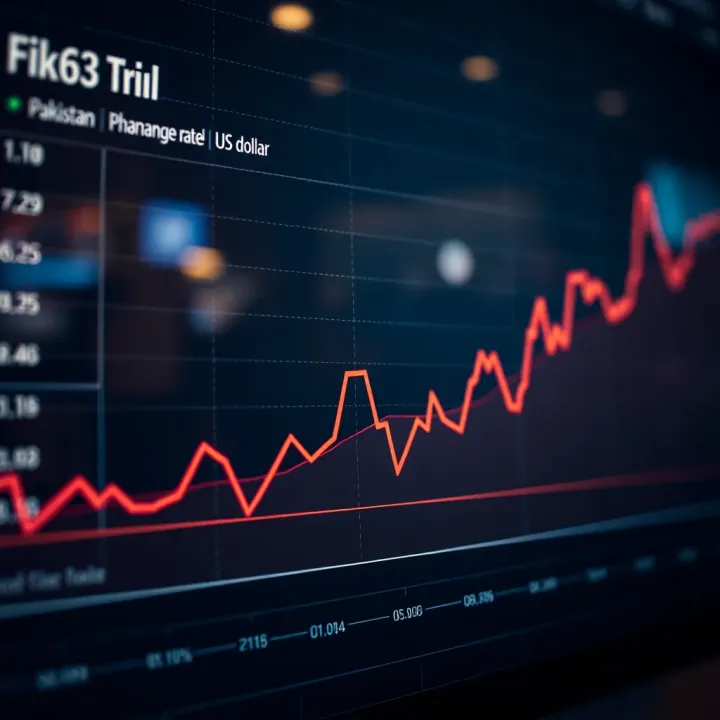
📈 Explore Pakistan rupee to US dollar trends, State Bank policies, and global factors shaping the exchange rate. Understand impact on businesses, consumers, and future outlook.
Based on 6 reviews