

Best Trading Websites for Pakistani Investors
Find the best trading websites in Pakistan with our detailed guide 📈. Explore market options, security tips, fees & user experience to trade smartly 💼.
Edited By
James Whitaker
Gold trading in Pakistan is more than just buying and selling precious metal; it intersects deeply with foreign exchange (forex) dynamics. This connection affects how the price of gold moves relative to the Pakistani rupee (PKR) and global currencies like the US dollar (USD). Understanding this interplay helps investors make smarter decisions in an unpredictable market.
Gold forex refers to the practice of trading gold using foreign exchange markets, where fluctuations in currency pairs impact the value of gold holdings. For Pakistani investors, this matters because the price of gold in the local market often moves with changes in forex rates, especially the USD/PKR exchange rate. Since gold is priced internationally in USD, any depreciation of the rupee against the dollar pushes gold prices higher in PKR terms.
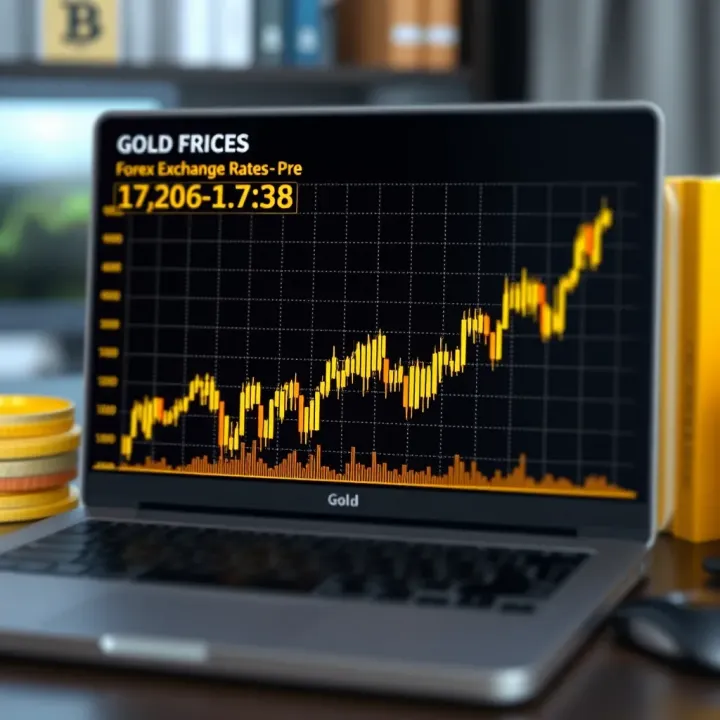
"Gold acts as a hedge against currency depreciation, which is particularly relevant for Pakistan’s market with its frequent rupee volatility."
Several factors influence gold prices in forex markets, such as:
Global economic conditions: US Federal Reserve policies and international inflation trends can drive the dollar's strength, affecting gold's dollar value.
Pakistani forex reserves and trade balance: Lower reserves or widening trade deficits can weaken PKR, indirectly boosting gold prices locally.
Geopolitical tensions: Political instability in the region can spike demand for gold as a safe haven.
Pakistani investors who understand these links can use gold forex strategically:
Timing purchases: Buying gold when PKR is relatively strong ensures better value.
Diversification: Combining forex-traded gold with other investments can reduce portfolio risk.
Tracking international trends: Monitoring US economic data helps anticipate price shifts.
In this article, we will also examine the regulatory environment in Pakistan governing gold imports, sales, and forex trading, plus practical ways investors can navigate this space safely and effectively. Whether you are a trader, broker, or investor eyeing gold’s potential, grasping the gold-forex relationship is key to growing your wealth in PKR terms amid volatile markets.
Understanding gold forex is vital for Pakistani investors navigating the intertwined worlds of commodity trading and foreign exchange. Gold, traditionally viewed as a physical asset, also plays a dynamic role in forex markets where it serves as a currency proxy and a hedge against currency risks. By grasping this dual nature, investors can better anticipate how shifts in forex rates influence gold prices and related investment opportunities.
Gold in its physical form—jewellery, bullion, coins—is a tangible commodity widely traded in Pakistan's local markets, especially in Karachi and Lahore. However, gold also functions differently within forex trading, where it is treated as a currency against which exchanges are quoted, often referred to as XAU/USD. This means gold itself is priced as if it were a currency, with traders speculating on its value relative to other currencies.
This distinction matters because the factors driving physical gold prices—such as local demand, import duties, and making charges—can differ from the influences on gold’s forex price, which reacts more directly to global economic indicators, interest rates, and monetary policies.
In forex markets, gold is commonly quoted in US dollars per troy ounce. This pricing occurs because the US dollar (USD) remains the benchmark currency for global trade, including precious metals. For Pakistani investors, this means the price of gold in PKR depends both on the international gold price in USD and the PKR/USD exchange rate.
For instance, if the international gold price holds steady but the rupee weakens against the dollar, gold becomes more expensive in the local market. Traders need to watch both these variables, not just the gold price itself, when timing investments.
The gold forex market includes various players: central banks, commercial banks, hedge funds, individual traders, and mining companies. Central banks like the US Federal Reserve or the State Bank of Pakistan influence price through monetary policy and gold reserves.
Instruments for trading include spot contracts, futures, options, and contracts for difference (CFDs). These allow traders to speculate or hedge without owning physical gold. Pakistani investors may encounter CFDs or gold futures through authorised brokers or international platforms, enabling access to global markets beyond the local jewellery shops.
Currency movements directly affect gold prices because gold is priced internationally in USD. When the USD strengthens, gold tends to become costlier for holders of other currencies, possibly reducing demand and lowering prices. Conversely, a weaker dollar can push gold prices higher.
For Pakistanis, as the rupee often fluctuates significantly against the dollar, local gold prices react accordingly. A sharp rupee depreciation raises the cost of gold imports, influencing jewellery prices and investment decisions.
The USD’s status as the world's main reserve currency anchors gold pricing globally. Since many countries hold reserves in dollars and trade commodities in USD, any policy shift by the US Federal Reserve affects gold prices worldwide.
For instance, rising US interest rates attract investors to dollar-denominated assets, often causing gold prices to drop since gold offers no yield. Pakistani investors should track these developments closely because they influence the cost of gold in PKR indirectly.
Periods of forex volatility often lead investors to seek gold as a safe haven. For example, during the rupee's sharp decline in 2022, many Pakistanis turned to gold to protect wealth against currency risk.
Similarly, political instability or geopolitical tensions that unsettle currency markets typically heighten gold purchases. Such conditions push gold demand up, driving prices higher despite other market factors.
For Pakistani investors, monitoring forex trends is as important as watching gold prices. The two are tightly connected, and understanding their relationship can provide valuable insight for timing decisions and risk management.
Gold prices do not move in isolation but are closely tied to various global economic factors and currency movements. For Pakistani investors, understanding these influences is essential because fluctuations in gold affect both the cost and the return on investment, especially as Pakistan imports a significant portion of its gold and the rupee-dollar exchange rate fluctuates.
Interest rates and inflation trends shape gold prices significantly. When inflation rises, the purchasing power of currencies falls, prompting investors to buy gold as a store of value. For example, if the State Bank of Pakistan increases interest rates to control inflation, the PKR might strengthen, potentially lowering gold prices in rupee terms. On the other hand, global low interest rates often push investors toward gold, which offers no yield but retains value during inflationary pressures.
Geopolitical events and market uncertainty also impact gold as a safe haven asset. Conflicts, trade tensions, or political instability cause investors worldwide to seek shelter in gold, boosting its price. Recent tensions in the Middle East or US-China trade disputes have seen global gold prices rise, which directly affects the Pakistani market due to import costs. Pakistani investors must track such events closely as they have immediate implications for forex and gold prices.
Central bank policies and gold reserves play a crucial role in setting gold's demand and price. Central banks adjust their gold holdings for currency stabilisation and diversification. For instance, a rise in gold reserves by the US Federal Reserve or the People's Bank of China can signal increased confidence in gold, pushing prices up. The State Bank of Pakistan’s policy on gold reserves and forex management indirectly influences domestic gold prices and availability.
Exchange rate shifts involving PKR and USD directly affect gold pricing in Pakistan. Since gold is globally priced in US dollars, a depreciation of the PKR against USD raises the rupee cost of importing gold. For example, a 5% drop in PKR value can increase domestic gold prices roughly by the same margin, squeezing buyers and small investors. Hence, forex trends are vital for timing purchases and sales.
Forex market liquidity and its effect on gold can cause short-term volatility. Adequate liquidity in forex markets ensures smoother buying and selling of gold contracts and futures. However, during times of liquidity crunch, such as tight SBP forex reserves periods, gold prices may become more volatile in the domestic market. Pakistani investors relying on forex-based gold instruments should monitor liquidity indicators and SBP policy updates.
Cross-border trade and capital flows influencing gold prices work through import-export balances and remittances. Pakistan’s import of gold is affected by foreign currency inflows and outflows. High remittance inflows via JazzCash or Easypaisa can strengthen the rupee, reducing gold import costs. Conversely, trade deficits and capital flight increase forex pressure, pushing gold prices up. Thus, overall macroeconomic health and external account balance matter significantly for gold trading prospects in Pakistan.
Understanding these economic indicators and forex movements helps Pakistani investors make informed decisions in the gold market, blending knowledge of both global trends and local currency realities.
Gold remains a favoured investment for many Pakistanis seeking to preserve wealth, especially as the rupee experiences ups and downs against the US dollar. Navigating gold investment options amid forex market fluctuations requires understanding the distinct choices available, ranging from physical gold to gold-based financial instruments. Each option has its own risks and benefits shaped by Pakistan's unique economic and regulatory context.
Purchasing gold jewellery or bars in Pakistan offers a tangible asset that investors can hold. Jewellery is popular not just for investment, but also cultural and festive occasions, making it somewhat liquid in local markets. Gold bars or coins bought from authorised dealers or Karachi Metal Market provide direct exposure to gold prices without forex market complexity. However, physical gold incurs additional costs such as making charges, taxes, and storage risks. During rupee depreciation phases, imported gold prices tend to rise, raising costs for buyers.
Trading gold futures and contracts for difference (CFDs) brings investors closer to the forex influence on gold. Futures traded through global or regional brokers let investors speculate on gold price movements without owning physical gold. CFDs offer similar exposure but carry counterparty risks and require careful platform selection given Pakistan’s evolving regulatory oversight. These instruments suit traders comfortable with leveraged positions and active market monitoring but are less common among traditional Pakistani investors due to limited local brokerage access.
Gold exchange-traded funds (ETFs) availability in Pakistan is still emerging. ETFs allow investors to gain gold exposure via stock exchanges without physical handling. In Pakistan, gold ETFs are recently introduced through some asset management companies, providing a more liquid and lower-cost alternative. Their prices track international gold rates, influenced by forex movements, making them ideal for investors who want gold exposure with the convenience of equity trading. Yet, awareness and trust in ETFs remain developing among local investors.
How rupee valuation influences gold import costs is key for Pakistani buyers since most gold enters via imports priced in US dollars. When the rupee weakens against the dollar, import costs soar, pushing local gold prices higher. For example, a rupee depreciation from Rs 170 to Rs 190 per dollar raises gold prices by nearly 12%, impacting investors and consumers alike.
Impact of forex reserves and State Bank of Pakistan regulations also shape gold pricing and availability. Pakistan’s limited forex reserves can trigger import restrictions or policy adjustments, affecting gold supply. SBP’s regulations, including import duties and documentation requirements via CNIC (Computerised National Identity Card), influence how smoothly gold flows into the market. These controls intend to manage forex outflows but can sometimes cause delays or price fluctuations.
Considerations for remittances and jewellery market prices come into play given Pakistan's large diaspora sending foreign currency home. Remittances often bolster forex reserves but also affect gold demand. When remittances rise, gold purchases can increase, stabilising jewellery market prices. Conversely, any restrictions on foreign currency conversion or imports impact jewellery affordability. Local jewellers adjust prices based on both forex rates and domestic demand cycles, particularly around festivals like Eid.
Understanding these gold investment options amid forex fluctuations helps Pakistani investors choose strategies aligned with their risk appetite and market conditions. Physical gold suits conservative buyers valuing asset tangibility, while financial instruments and ETFs offer more active avenues influenced by forex trends and global gold price movements.
Understanding the regulatory environment and associated risks is essential for Pakistani investors dealing in gold forex. These factors influence market access, compliance burden, and the safety of investments. Clear knowledge of government policies and common pitfalls helps investors make informed decisions and avoid potential losses.
Pakistan levies significant customs duties and taxes on gold imports, directly affecting the cost for buyers. For instance, the import duty can be as high as 12.5%, plus sales tax of 17%, and an additional withholding tax. These charges increase the landed cost of gold, pushing domestic prices higher than international levels. Investors should factor in these costs when timing purchases or comparing investment in physical gold versus forex-linked instruments.
The State Bank of Pakistan (SBP) controls the amount of foreign currency allowed for gold imports and restricts unofficial forex transactions. To discourage excessive gold imports draining precious foreign reserves, SBP has imposed limits on overseas remittances for gold purchases. This regulation aims to manage balance of payments but also affects liquidity and ease of trading gold in forex markets. Investors need to stay updated on SBP notifications, as changes can rapidly shift market dynamics.
FBR oversees tax collection on gold trading and enforces strict documentation processes. For example, high-value gold transactions require valid Computerised National Identity Cards (CNIC) and are recorded for tax audits, discouraging unreported sales. This transparency helps curb money laundering but places compliance demands on investors. Proper invoicing and record-keeping safeguard investors from legal troubles and ensure smooth dealings with customs and tax authorities.
Both gold prices and the Pakistani rupee (PKR) fluctuate, sometimes sharply, affecting the net gains of gold forex trades. For example, a sudden depreciation of the PKR against the USD can make gold more expensive locally, but may not immediately reflect in forex contracts. Such dual volatility can confuse investors who are not vigilant about timing their trades.
Gold forex instruments like futures or contracts for difference (CFDs) may suffer lower liquidity compared to major currency pairs. During volatile periods or regulatory adjustments, finding counterparties to buy or sell gold contracts quickly can be challenging. This risk can trap investors in positions with widening spreads or delayed settlements.
Physical gold buyers often face risks of counterfeit or adulterated products, especially in less regulated neighbourhood bazaars. Similarly, online platforms offering gold forex trading are vulnerable to scams if they lack proper licensing from Pakistani authorities. Investors must verify dealer credentials, rely on recognised marketplaces like Karachi Metal Market, and avoid impulsive deals to protect their capital.
Staying informed about rules and recognising potential hazards is key to successful involvement in Pakistan's gold forex markets. Compliance and prudence go hand in hand in this space.
Navigating gold forex markets requires a clear approach, especially amid Pakistan's volatile currency and regulatory framework. Pakistani investors need practical strategies that consider timing, risk management, and reliable platforms to protect and grow their investments. Understanding how to read forex trends, hedge effectively, and comply with legal norms gives investors an edge in this complex environment.
Using forex trends to decide on gold purchases: Keeping an eye on the PKR to USD exchange rate is vital when deciding to buy gold. For example, if the rupee is weakening sharply against the dollar, gold imports become costlier, often pushing local gold prices higher. Investors who spot these forex movements early can benefit by purchasing gold before prices climb. Conversely, when the rupee strengthens, it might be a better moment to sell or hold off buying.
Hedging against rupee depreciation with gold holdings: Gold serves as a natural hedge against rupee depreciation. When the rupee loses value, gold prices in PKR usually rise, protecting investors' purchasing power. For instance, during past currency crises, gold prices rose significantly, cushioning losses from holding depreciating cash. Thus, maintaining a reasonable portion of wealth in gold can safeguard against sudden currency shocks.
Balancing portfolio exposure between gold and other assets: It’s advisable not to put all eggs in one basket. Alongside gold, investors should diversify into equities, fixed income, or real estate to balance risk and returns. For example, during periods when gold prices stabilize, equities might offer better growth prospects. A balanced portfolio helps Pakistani investors avoid overexposure to gold’s price swings while still benefiting from its stability.
Using authorised dealers and Karachi Metal Market for gold trade: Trustworthy sources matter. Buying gold through authorised dealers ensures authenticity and reduces risks like fraud. The Karachi Metal Market, being Pakistan’s largest hub for gold trading, offers verified products and transparent pricing. Avoiding unofficial channels protects investors from counterfeit gold or inflated prices.
Importance of CNIC and documentation for gold transactions: Pakistani regulations require valid Computerised National Identity Card (CNIC) and proper documentation during gold purchases, especially for amounts above certain thresholds. This not only helps in tracking but also complies with anti-money laundering rules. Maintaining legal paperwork is essential for smooth resale or investment audits, avoiding future hassles.
Staying updated on regulatory changes from SBP and FBR: The monetary policies of the State Bank of Pakistan (SBP) and tax regulations from the Federal Board of Revenue (FBR) impact gold trading. For example, sudden changes in import duties or forex controls can affect gold prices and availability. Investors should monitor official notifications and economic news to adapt their strategies promptly, ensuring compliance and maximising returns.
Being proactive about timing, hedging, and legal compliance is key for Pakistani investors aiming to make the most of gold forex markets.
Find the best trading websites in Pakistan with our detailed guide 📈. Explore market options, security tips, fees & user experience to trade smartly 💼.

📈 Explore how Pakistani investors can use copy trading to mirror expert trades, learn benefits & risks, pick the right platforms, and manage smartly.

📈 Explore trading basics, strategies & risk tips tailored for Pakistani investors. Master local & global markets with confidence and smart moves.

📱 Discover how trading apps work in Pakistan! Learn key features, security tips, and what to watch for to trade smarter and protect your investments.
Based on 15 reviews