Gold Price Forecast Next Week in Pakistan
Prolusion
Gold prices in Pakistan are influenced by a blend of global trends and local factors. As next week approaches, traders and investors closely watch these elements to anticipate price movements. Understanding these drivers helps in making informed decisions about buying or selling gold.
Global economic events remain a significant factor. For example, changes in the US dollar’s strength or shifts in international gold demand can push prices up or down. If the dollar weakens, gold usually becomes more attractive, leading to price increases. Recent fluctuations in geopolitical tensions and inflation expectations worldwide are also contributing to market volatility.
Locally, Pakistan’s economic conditions play a big role. Currency stability is crucial since the Pakistani rupee’s depreciation generally makes imported gold costlier. The situation around foreign reserves, inflation rates, and interest rates announced by the State Bank of Pakistan (SBP) affects investor sentiment. Also, festive seasons like Eid tend to increase consumer demand, often nudging prices higher due to more purchases for gifts and jewellery.
Keep in mind the impact of government policies on imports and taxes. Import duties or changes in customs regulations can alter gold’s market price significantly at home.
In practice, traders might notice that keeping an eye on daily price updates from Karachi and Lahore bullion markets gives useful clues. Investment experts recommend diversifying portfolios and not depending solely on gold, especially given ongoing economic uncertainties. Meanwhile, cautious consumers should buy when the price dips slightly rather than chasing rising trends.
Key Influencers to Watch Next Week:
Fluctuations in US dollar against PKR
Announcements from the State Bank of Pakistan
International gold market trends, especially in London and Dubai
Local demand patterns around festivals and weddings
Government decisions on import taxes and duties
Anticipating gold price movements requires balancing these global and local factors. By staying updated and analysing market cues, traders and investors in Pakistan can plan better to protect or grow their assets.
Current State of Gold Prices in Pakistan
Understanding the current state of gold prices in Pakistan is key for anyone involved in trading, investing, or analysing the market. It sets the groundwork for forecasting by highlighting how prices have behaved recently and how local factors correspond to global trends. This insight helps investors time their moves better and allows analysts to predict short-term price shifts.
Recent Trends and Market Movements
Price changes over the past month
Gold prices in Pakistan have shown moderate fluctuations over the last month, with a general upward drift. For example, the price per tola rose from about Rs 190,000 to approximately Rs 195,500, influenced by inflation fears and heightened demand ahead of local festivals. Such shifts may seem small but can significantly impact investment decisions, especially for traders playing the short game or consumers planning jewellery purchases.
Tracking these changes closely provides practical benefits. If prices are on a steady rise, it could signal a good time to delay buying or prepare for costlier gold. Conversely, a dip might offer a buying window. Staying current with these price moves helps investors avoid overpaying or missing out on growth.
Comparison with regional gold
It helps to compare Pakistan's gold prices with neighbouring markets like India and Dubai, where gold trading volumes are high and often set regional benchmarks. For instance, India's gold rates recently saw a slight decline despite the global market surge, while Dubai prices followed global trends closely due to its status as a trade hub.
This comparison offers investors a chance to evaluate if local prices are fair or inflated by factors such as currency depreciation or import duties. For example, if Pakistan’s gold is significantly pricier than Dubai’s after adjusting for taxes and transport, it signals potential arbitrage or the need for local market corrections.
Impact of Global Gold Prices
How international prices influence local rates
Pakistan's gold prices usually reflect international trends because gold is traded globally in US dollars. When global prices rise due to geopolitical tensions or inflation in major economies, local rates tend to follow. This happens because Pakistan imports most of its bullion, so international price moves directly affect landing costs.
For instance, if the London Bullion Market Association (LBMA) fixes a higher ounce today, Pakistani importers will bear increased costs, which they pass on to local buyers. This direct connection means investors in Pakistan must watch global movements closely, not just local supply and demand.
Role of major gold producers
The actions of major gold-producing countries also impact prices. Nations like China, Russia, and Australia influence global supply and pricing through their production levels and export policies. If these countries reduce output due to mining issues or policy changes, global prices can spike.
For example, recent disruptions in Australian gold mines slightly tightened global supply, nudging prices upwards. Pakistan, as an importer, feels the ripple effects. Keeping track of such developments helps traders anticipate price moves beyond local economic factors.
Staying informed about both local and global gold market movements gives you a clearer edge to make timely and sensible decisions in Pakistan’s gold trading scene.
Key Factors Driving Gold Prices Next Week
Several elements impact gold prices in Pakistan, and understanding these key drivers can help traders and investors anticipate market movements. Next week’s gold prices will largely depend on a mix of global economic indicators, local political and economic conditions, and demand-supply dynamics shaped by cultural factors and policy decisions.
Global Economic Indicators
Effect of inflation and interest rates
Inflation erodes the purchasing power of currency, which usually pushes investors towards gold as a safe haven. When inflation in major economies, especially the US, rises, gold prices tend to climb. Conversely, higher interest rates make bonds and fixed-income assets more attractive, often leading to lower gold demand. Recently, the US Federal Reserve's decisions about interest rate hikes can cause ripples in the gold market, impacting Pakistani rupee-denominated gold prices.
For example, if inflation data released next week shows a stronger rise, gold may strengthen globally and translate into higher local prices. This push-and-pull between inflation and rates keeps traders alert.
US dollar strength and its impact
Gold trades primarily in US dollars on international markets, so the dollar’s strength directly influences gold prices. A stronger dollar makes gold more expensive for buyers using other currencies, typically lowering demand and prices. Conversely, a weaker dollar often supports gold's uptake.
In Pakistan, when the dollar gains against the rupee due to global demand or economic factors, locally, gold prices often rise because the import costs increase. Investors watch dollar-rupee trends closely, especially ahead of key announcements from the US or Pakistan’s State Bank.
Political and Economic Climate in Pakistan
Currency fluctuations
The Pakistani rupee's swings against major currencies, especially the US dollar, affect gold’s local cost. When the rupee weakens, importing gold becomes costlier, pushing prices up. The recent volatility due to political uncertainties and trade imbalances tends to cause sharp gold price movements.
For instance, if political developments lead to sudden currency depreciation next week, gold prices will likely surge as importers pass on the extra expense.
Inflation and import costs
Domestic inflation also inflates gold prices. Higher energy and transportation costs increase the expenses for importing gold into Pakistan. This is on top of the general inflationary pressures reducing purchasing power.
As oil prices remain volatile, any rise impacts shipping and logistics, which then reflects in incremental import costs. This increased cost burden usually passes on to consumers as higher gold prices.
Demand and Supply Dynamics
Jewellery and investment demand before festivals
Pakistan sees spikes in demand for gold jewellery and bars during festival seasons like Eid and weddings. Ahead of these occasions, demand typically rises, nudging prices higher due to increased buying by consumers and jewellers.
With Eid-ul-Adha approaching, jewellers may start stocking gold to meet customer needs, putting extra pressure on prices next week.
Central bank policies and gold reserves
Policies by the State Bank of Pakistan (SBP) and their management of gold reserves influence market supply. If the SBP decides to increase holdings or restrict imports, that limits gold availability locally, contributing to price increases.
Conversely, releasing gold stocks or easing import duties can stabilise prices. Investors watch SBP announcements carefully since these moves can signal upcoming shifts in price trends.
Understanding these key factors helps make sense of the daily price fluctuations and plan investment or trading strategies accordingly.
In sum, next week’s gold prices in Pakistan will hinge on how these global and local drivers interact. Monitoring inflation data, currency trends, festival demand, and SBP policy will offer traders and investors essential clues.
Technical Analysis for Gold Price Movement
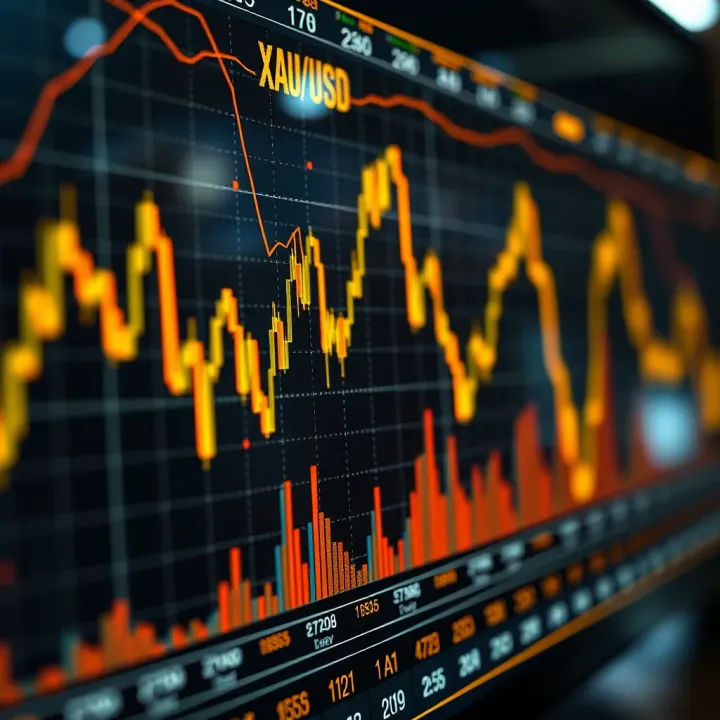
Technical analysis plays a crucial role in predicting gold price movements, particularly for next week’s forecast in Pakistan. Traders and investors rely on visual data from charts and indicators to assess when to enter or exit the market. Unlike fundamental analysis that looks at economic or political factors, technical analysis focuses on price action and trading volumes, helping players spot patterns and trends that often repeat themselves.
Price Patterns and Trends
Support and resistance levels are key to understanding gold’s price behaviour. Support is the price point where gold tends to stop falling and may bounce back, while resistance is where the price usually hits a ceiling and reverses downwards. For instance, if gold in Pakistan has bounced several times around Rs 120,000 per 10 grams, that becomes a support level. On the other hand, if it struggles to cross Rs 125,000, that’s resistance. These levels help traders set stop-loss and take-profit orders effectively.
Moving averages smooth out price data to highlight trends. The simple moving average (SMA), calculated over specific periods like 20 or 50 days, shows the direction gold prices have been moving. If the shorter-term moving average crosses above the longer-term one – known as a 'golden cross' – it often signals a bullish trend. Conversely, a 'death cross' warns of a possible downturn. Momentum indicators, like the Relative Strength Index (RSI), measure the speed of price changes, helping identify overbought or oversold conditions that suggest a reversal might be near.
Market Sentiment and Speculation
Investor behaviour impacts gold price movements more than most realise. When local political news or inflation figures hit headlines, panic buying or selling can occur rapidly. Pakistani investors sometimes flock to gold during economic uncertainty, pushing prices up. Watching trading volumes alongside price changes reveals sentiment strength. A rising price with high volume suggests strong buying interest, while low volume may point to weak conviction.
Speculative trading can amplify price swings. In Pakistan’s market, short-term traders might buy gold futures or options with the aim of profiting from quick changes. Such speculative activity increases volatility, sometimes detaching prices temporarily from underlying economic realities. For example, ahead of festival seasons like Eid, speculation tends to surge, with traders anticipating higher demand. Keeping an eye on market depth and open interest figures helps gauge the level of speculation and potential price swings.
Technical analysis offers practical tools for anticipating gold price movements. Use support and resistance to manage risks, moving averages to catch trends, and monitor sentiment to understand market mood. Together, these insights equip traders and investors for smarter decisions in Pakistan’s gold market.
Implications for Investors and Consumers in Pakistan
Understanding how gold prices may move next week is essential for investors and consumers alike. For investors, especially traders and brokers operating in Pakistan's volatile market, a sharp insight into potential price shifts can guide better decision-making. Consumers, on the other hand, can plan purchases—like jewellery or savings in physical gold—more effectively, avoiding periods of high premiums.
Strategies for Buying and Selling Gold
Timing purchases
Timing is often the key to maximising value in gold transactions. For instance, during Eid or wedding seasons, demand spikes, pushing prices and premiums higher in local markets. Buying gold immediately before these periods could mean paying more. Conversely, purchasing when market prices are soft—such as just after a global gold price dip or when the Pakistani rupee strengthens—can result in savings.
Analysts suggest watching global economic news closely; a rise in international gold prices generally causes a lagged increase in Pakistan’s local rates. Small investors may benefit from waiting for dips, especially when the rupee gains strength against the dollar, as this temporarily reduces the PKR price of imported gold.
Considering gold in portfolio diversification
Gold remains a popular choice for diversification because it typically behaves differently from stocks or real estate. In uncertain economic times, such as during currency devaluations or political upheaval in Pakistan, gold often acts as a hedge against inflation and currency risk.
Instead of putting all their savings into equities or property, investors might allocate a portion to gold — physical bars, coins, or exchange-traded funds (ETFs). This mix reduces overall risk by balancing assets that react differently to economic changes. For example, during high inflation periods in Pakistan, gold prices tend to rise, offsetting losses in other asset classes.
Risks to Consider
Price volatility
Gold prices can fluctuate within short timeframes due to both global events and local factors. For instance, rumours about interest rate changes by the US Federal Reserve or sudden shifts in Pakistan’s economic policies may cause swift price swings.
This volatility challenges both investors and ordinary buyers; sudden price jumps might make planned purchases costlier, while rapid drops could offer unexpected buying opportunities. Hence, those trading gold should monitor market conditions daily to react promptly.
Economic uncertainties
Pakistan’s economic landscape has been unsettled due to factors such as fluctuating exchange rates, inflationary pressures, and political instability. These uncertainties influence gold demand and pricing. For example, a weakening rupee typically raises local gold prices since gold import costs increase.
Investors should consider these risks when planning long-term gold investments. Economic policy changes, especially related to import duties or banking regulations, can also alter gold’s attractiveness. Staying informed about developments from the State Bank of Pakistan (SBP) and other financial authorities helps anticipate these impacts.
Successful gold investment in Pakistan hinges on balancing timing, diversification, and awareness of price risks and economic factors. A cautious but informed approach allows both investors and consumers to navigate next week’s market with confidence.